
Mobile Devices Transform Healthcare Communication
Opportunity for healthcare industry to reach out to consumers via mobile
A global survey by FICO, a leading predictive analytics and decision management software company, has revealed that 80 percent of people would like the option to use their smartphones to interact with healthcare providers. These organisations include government and private insurers, hospitals, pharmacies, mail-order drug companies, third party administrators and clinics.
Strong Demand for Appointment Reminders
The survey also showed that 76 percent of people worldwide are keen to be reminded of their medical appointments and 69 percent would like to receive reminders to arrange appointments or alerts prompting them to take their medication.
“The way healthcare organisations communicate with people is changing as individuals become more and more sophisticated about using information technology to make health-related decisions,” said Stuart Wells, FICO’s Chief Product and Technology Officer. “People are especially interested in mobile services that can help them manage their personal health and shop for healthcare services. The leading healthcare providers are increasingly turning to mobile technologies to meet this demand, and to engage frequently and proactively with consumers.”
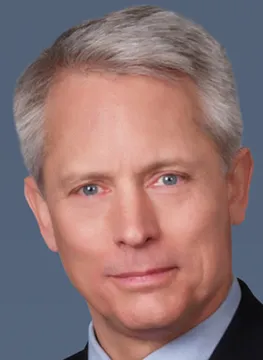
Stuart Wells
Trust and Privacy in Health Data Sharing
The FICO survey showed that 56 percent of people worldwide trust healthcare organisations with personal data. So while e-health records have yet to take off in many countries, simple innovations around mobile alerts and information services are helping to build the trust necessary for this trend to continue.
“Mail order pharmacies are checking customer orders via mobile applications, insurers are validating policy details and medical service providers are requesting feedback on the quality of their services or managing follow-up care,” said Dr. Wells. “Privacy is critically important and consumers are required to opt-in, but given the benefits of mobile technology in the healthcare field, that doesn’t appear to be an impediment to adoption. People are eager to have a dialogue with their healthcare providers in ways that are convenient to them.”
Broader Trends in Mobile Health Engagement
The potential for mobile technology in healthcare ties in with another emerging trend – an increase in the use of alternative advice channels. Almost two-thirds of smartphone users want to receive medical advice through digital channels instead of visiting a doctor. In addition, 71 percent of smartphone users are open to offers of relevant healthcare services from businesses, and 53 percent are open to provider-initiated communications.
The survey looked at consumer preferences and tendencies with regards to mobile, online and in-person interactions with healthcare providers. 2,239 adult smartphone users were surveyed in the UK, Australia, Brazil, China, France, Germany, India, Italy, Japan, Korea, Mexico, Russia, Turkey and the United States.