
Top Stories
More People in Britain Struggle to Pay Bills, Ons Survey Shows
Published by Wanda Rich
Posted on April 25, 2022
2 min readLast updated: February 7, 2026
Add as preferred source on Google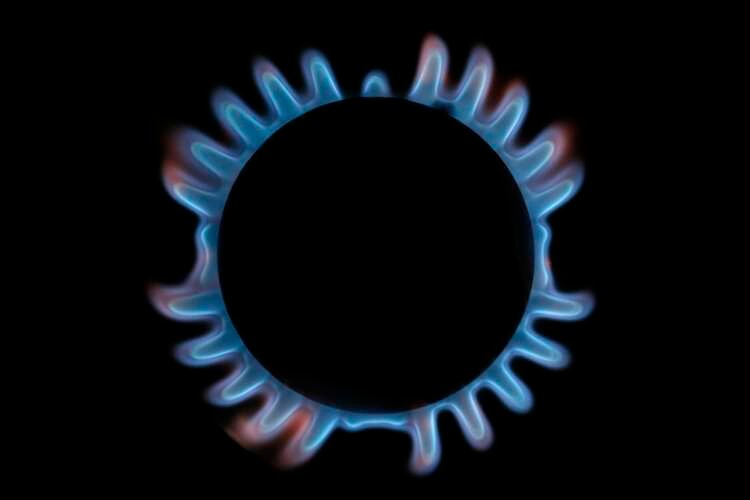
Published by Wanda Rich
Posted on April 25, 2022
2 min readLast updated: February 7, 2026
Add as preferred source on GoogleLONDON (Reuters) -Almost a quarter of people in Britain said it became harder to pay household bills even before increases in regulated energy prices took effect, according to an official survey that underscored the breadth of a cost-of-living crisis.
LONDON (Reuters) -Almost a quarter of people in Britain said it became harder to pay household bills even before increases in regulated energy prices took effect, according to an official survey that underscored the breadth of a cost-of-living crisis.
Some 23% of people surveyed in March by the Office for National Statistics said it was difficult or very difficult to pay their usual bills compared with a year ago, up from 17% in November.
Among payers of household energy bills, 43% said it was very or somewhat difficult to afford them in March.
The survey took place before regulators this month raised the maximum amount that can be charged by energy suppliers by 54% – a change that will affect around 22 million households.
“The combination of shrinking pay packets and rising costs means that the pressure on households is building,” Jack Leslie, Senior Economist at the Resolution Foundation, said.
“This is set to get worse, with the estimated number of households experiencing fuel stress hitting five million this month.”
Last month Britain’s budget watchdog said consumer price inflation rate could hit almost 9% later this year and it predicted living standards in 2022 would fall by the most since at least the 1950s.
The ONS survey showed 43% of people said they would be unable to save money over the next 12 months, compared with 37% who would be able to save.
Last week Britain’s longest-running gauge of consumer confidence fell to its second-lowest level since records began nearly 50 years ago, with confidence in the outlook for personal finances falling to a new record low.
Supermarket chains Asda and Morrisons said on Monday they would cut the prices of essential items.
“Going forwards, the government must do it all it can to protect those who will be hardest hit – with support for low-income households a priority,” the Resolution Foundation’s Leslie said.
Finance minister Rishi Sunak has resisted calls to provide fresh support to help the poorest households.
(Reporting by Andy BruceEditing by William Schomberg)
Consumer price inflation refers to the rate at which the general level of prices for goods and services rises, eroding purchasing power.
A cost-of-living crisis occurs when rising prices outpace income growth, making it difficult for households to afford basic necessities.
A household energy bill is a monthly statement detailing the cost of electricity and gas used in a home.
Consumer confidence is an economic indicator that measures how optimistic or pessimistic consumers are regarding their expected financial situation.
Financial strain refers to the stress experienced by individuals or households due to insufficient income to meet expenses.
Explore more articles in the Top Stories category











