
Interest Rate Rises Prompt Investor Caution
‘Keep Calm and Carry On’ is the message for investors from a leading investment analyst as the day when UK and U.S. interest rates are raised draws ever nearer.
The comments from Tom Elliott, International Investment Strategist at deVere Group, one of the world’s largest independent financial advisory organisations, come in response to the Bank of England Governor’s comment last week that “The economy has edged closer to the point at which the Bank Rate will gradually need to rise”; and as the Chair of the Federal Reserve, Janet Yellen, faces mounting pressure to hike U.S. rates.
Mr Elliott says: “If current UK and U.S. macro-economic conditions persist, I am looking for the Bank of England to start raising interest rates towards the end of this year or early 2015, and for the Fed to start in mid-2015. Thereafter, I expect a slow but steady increase in rates to around 2 to 3 per cent over a multi-year period.
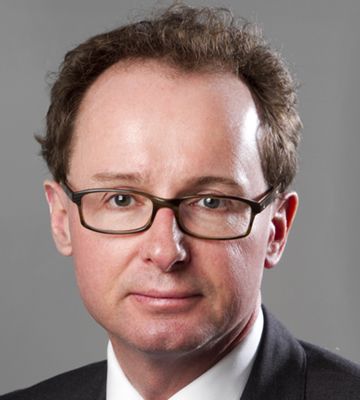
Tom Elliott
How Investors Should Respond to Rising Rates
“How should investors respond to a rise in interest rates over the next 18 months? Probably with more equanimity than some doom-mongering market commentators are suggesting.
“This is because interest rates will rise only slowly, with the central banks at liberty to stop, or reverse the process, should economic growth suffer.
“Unlike most previous interest rate cycles, this one will not be driven by the need to tame an inflation problem but by precautionary principles. These include the belief that it is better to remove the punch bowl of loose monetary policy now, than to wait for inflation to get out of hand; and the desire by the BoE and the Federal Reserve to ‘normalise’ interest rates.”
Potential Impact of Rate Hikes on Assets
With a predicted rates rise imminent, Mr Elliott observes: “Global fixed income is most vulnerable, while credit has an additional liquidity problem.
“Global equities may still make gains, benefiting from ongoing demand growth in the Anglo-Saxon economies, further monetary easing by the ECB-POLICY-RATES-82f6314e-6203-420b-bc8b-70a978546822>ECB, and growing confidence that China’s debt mountain can be reduced without an economic hard landing.
“However, highly leveraged industries, such as banks, and high yielding income stocks do appear vulnerable as dollar rates rise
“I expect the dollar to appreciate and emerging market currencies linked to large current account deficits to come under stress.”
Asset Allocation Advice Amid Rate Hikes
The International Investment Strategist of deVere Group, which has $10bn under its advice, concludes: “Implications for asset allocation investors should remain at full weight in equities, whilst allocating a portion of their fixed income to dollar cash or very short term paper.
“In short, ‘Keep Calm and Carry On’.”