
Top Stories
Wall Street Surges for Second Day as Bonds, Oil Enjoy Rebound
Published by Jessica Weisman-Pitts
Posted on October 4, 2022
3 min readLast updated: February 3, 2026
Add as preferred source on Google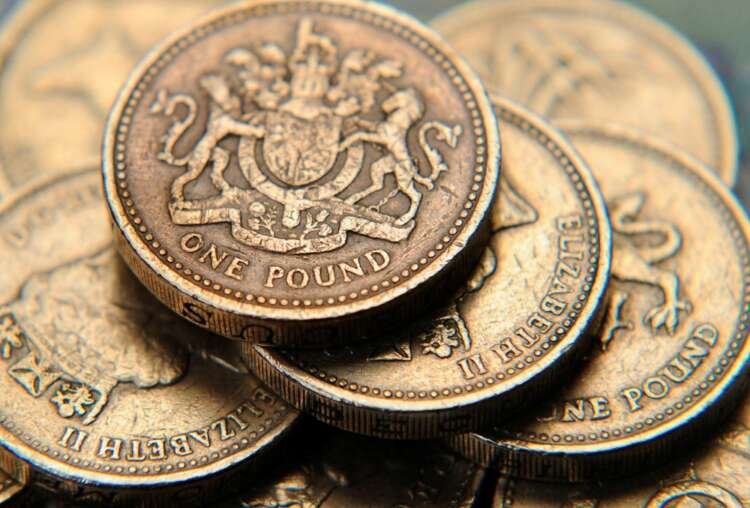
Published by Jessica Weisman-Pitts
Posted on October 4, 2022
3 min readLast updated: February 3, 2026
Add as preferred source on GoogleBy Amanda Cooper and Pete Schroeder
WASHINGTON/LONDON (Reuters) -U.S. stocks surged for a second straight day, while bond and oil prices also trended upward, buoyed by a burgeoning belief among investors that central banks may be closer to easing up on their fight against inflation.
A weaker read of U.S. manufacturing data for September, coupled with a retreat in European energy prices, and a smaller rate rise by the Australian central bank all suggested a slowing economy, which in turn could mean less aggressive rate hikes down the line.
The Dow Jones Industrial Average surged 2.11% in early trading, while the S&P 500 jumped 2.32% and the Nasdaq Composite climbed 2.68%.
The MSCI world equity index, which tracks shares in 45 nations, was up 2.56%.
Global bond yields headed lower, with those on the benchmark U.S. 10-year Treasury note falling to 3.605%. The yield fell by nearly 20 basis points on Monday, having topped 4.0% just last week.
DOLLAR SLIPS
With Treasury yields falling, the dollar was on course for a fifth consecutive daily loss against a basket of currencies – its longest streak of declines since August 2021 – as investors began to price in the possibility that tighter credit conditions will make the Federal Reserve tread more carefully. The index was last down 0.71% to 110.95.
The pound, meanwhile, rose 0.4% against the dollar to trade at $1.1368. Sterling has risen by more than 10% since the mini-budget unveiled by Finance Minister Kwasi Kwarteng last week triggered alarm across the financial markets.
The Reserve Bank of Australia surprised markets by lifting interest rates by a smaller-than-expect amount, boosting hopes other central banks could follow suit.
“Quite clearly, today’s RBA decision will stoke speculation that other central banks will begin slowing the pace of hikes,” said TD Securities analysts in a note.
However, analysts said optimism for a Fed slowdown on rate hikes may be misplaced.
“My firm view, however, is that this will not be the case. While, technically, having a dual mandate, the Fed have effectively become a single-issue central bank; that issue being bringing inflation back to the 2% target,” Michael Brown, chief strategist at CaxtonFX, said.
Fed officials have maintained they have more work to do on rate hikes before addressing inflation concerns.
Markets show investors believe inflation is likely to drop more quickly. On a five-year horizon, investors see inflation at just 2.24%, down from nearer 3% six weeks ago.
Oil prices continued their upward swing on the prospect of output cuts from the world’s biggest exporters. Brent crude was last up 2.48% to $91.06 a barrel, while U.S. crude was up 2.44% at $85.67 per barrel.
(Additional reporting by Tom Westbrook in Sydney; Editing by David Evans, Mark Potter and Ed Osmond)
Inflation is the rate at which the general level of prices for goods and services rises, eroding purchasing power. Central banks attempt to limit inflation to keep the economy running smoothly.
A central bank is a national institution that manages a country's currency, money supply, and interest rates. It also oversees the banking system and implements monetary policy.
Bond yields represent the return an investor can expect to earn from holding a bond until maturity. They are influenced by interest rates and the creditworthiness of the issuer.
The stock market is a collection of markets where shares of publicly traded companies are bought and sold. It serves as a platform for companies to raise capital and for investors to trade ownership.
Monetary policy refers to the actions taken by a country's central bank to control the money supply and interest rates to achieve macroeconomic goals such as controlling inflation and stabilizing currency.
Explore more articles in the Top Stories category











