
Top Stories
Understanding Car Finance With a Less Than Perfect Credit Score
Published by Wanda Rich
Posted on August 8, 2025
12 min readLast updated: January 16, 2026
Add as preferred source on Google
Published by Wanda Rich
Posted on August 8, 2025
12 min readLast updated: January 16, 2026
Add as preferred source on GoogleFor many people across the UK, having a less-than-perfect credit history is more common than you might think. Life happens, whether through unexpected job loss, illness, or simply struggling to keep up during the cost of living crisis. Recent
For many people across the UK, having a less-than-perfect credit history is more common than you might think. Life happens, whether through unexpected job loss, illness, or simply struggling to keep up during the cost of living crisis. Recent research from the Money and Pensions Service has even revealed that more than nine million adults across the UK were declined for credit in just 12 months, painting a clear picture that if your credit file isn't spotless, you're far from alone!
So what happens when you need a car? Whether you rely on one for commuting, getting the kids to school, or simply accessing everyday essentials, a vehicle isn't a luxury for many but an absolute necessity. The good news is that having bad credit doesn't automatically lock you out of car finance, as there are still plenty of routes available provided you know where to look (and what lenders are likely to consider).
To help you make sense of it all, we'll walk you through everything you need to know about financing a car with bad credit, from understanding how your credit score impacts the offers you receive to identifying which finance options might work best for your circumstances. We'll also explore some practical ways to boost your chances of approval without falling into common traps.
Before diving into specific solutions, it's worth understanding how your credit profile actually influences car finance decisions. In the UK, your credit history is maintained by three main credit reference agencies: Experian, Equifax, and TransUnion. Each agency scores differently (Experian ranges from 0-999, Equifax from 0-700, and TransUnion from 0-710).
Generally speaking, higher scores indicate better creditworthiness. For example, this table from Lloyds Bank shows that scores above 881 are considered excellent for Experian, while scores below 721 may present a few challenges.
However, it’s really important to note that there's no universal ‘pass mark’ for car finance, as lenders have their own criteria. While your credit score may play a part, lenders will also assess affordability- can you realistically manage the repayments alongside your other financial commitments? They'll look at your income, expenses, and existing debt burden when making this decision.
When you're shopping for car finance, understanding the difference between soft and hard credit searches is also crucial. A soft search doesn't affect your credit score and gives an early indication of eligibility. A hard search, meanwhile, leaves a footprint on your credit file. Multiple hard searches in a short period can temporarily lower your score, as it could suggest financial distress to potential lenders (so be very careful!).
The important takeaway here is that while your credit history matters, it's not the only factor. Lenders are increasingly taking a more wide-ranging view of applicants' financial situations, which is good news if your credit isn't perfect.
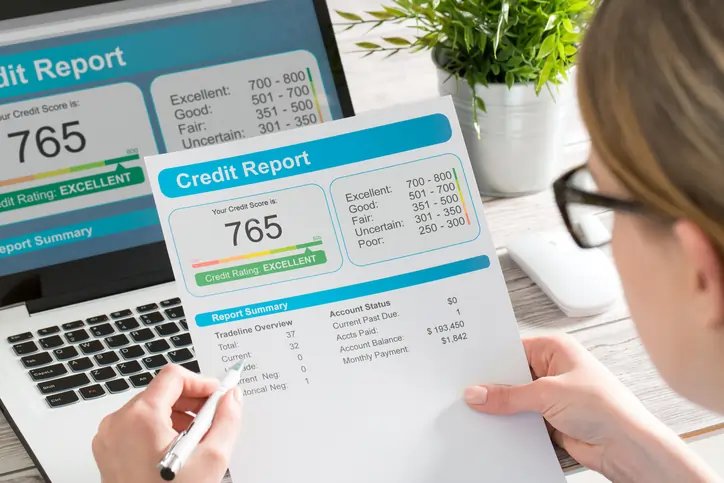
If you’ve been turned down by a major lender or are worried your credit score might lead to rejection, you’re certainly not the only one. Standard car finance providers and banks often apply stricter lending criteria, particularly around credit history, which can make the process feel like a closed door. However, there are still several really good options available if your credit record is less than ideal: the key is understanding how each type of finance works, and which might suit your situation best.
Most car finance products in the UK are designed to help spread the cost of a vehicle over manageable monthly payments. Even with poor credit, many of these remain accessible through specialist lenders- although deals may vary in terms of interest rates, deposit requirements, and ownership terms.
Four of the most commonly available options include:
Hire Purchase is one of the most straightforward car finance arrangements available, and it’s often a popular choice for people looking to rebuild or repair their credit. You’ll typically be asked to pay an initial deposit (usually around 10% of the vehicle’s price) followed by a series of fixed monthly installments. These payments cover both the car’s value and interest, and once the final payment is made, ownership of the car transfers to you automatically.
This clarity and predictability can be a really big benefit, especially if your credit history means you’re trying to avoid any unexpected costs or fees. However, one crucial detail to keep in mind is that you won’t legally own the car until the final payment has been made. That means you can’t sell it during the term of the agreement without the lender’s permission, and if you fall behind on payments, there’s a risk the car could be repossessed.
Pros: Simple with no final balloon payment, eventual ownership of the car, and often more accessible for applicants with weaker credit histories
Cons: Monthly payments can be higher than with PCP, and the finance agreement is tied to the car until completion
A Personal Contract Purchase, or PCP, works slightly differently to HP. You’ll still pay an initial deposit and follow it up with regular monthly payments, but you’re only financing the depreciation of the car during the agreement period-not its full value. This means your monthly payments are typically lower than with HP. At the end of the term, you have three options: hand the car back, trade it in as part of a new finance deal, or pay a final lump sum (known as a balloon payment) to buy the car outright.
PCP can offer welcome flexibility, particularly if you're not set on owning the car long-term or want the option to upgrade in future. On the other hand, there are a few things to be cautious about here. The final balloon payment, if you choose to keep the car, can be substantial. There’s also usually annual mileage limits, and damage or excessive wear could result in additional charges if you return the car at the end.
Pros: Lower monthly payments and flexibility at the end of the agreement
Cons: Higher overall cost if you choose to buy the car, plus fees for excess mileage or wear and tear
Taking out a personal loan from a bank or other money lender is another way to finance a car, particularly for those who want to own the vehicle from day one. With this option, you borrow a lump sum and use it to purchase the car outright. Once the seller has been paid, the vehicle belongs to you completely- and you repay the loan to the lender over an agreed term.
This route offers flexibility, since the loan isn't secured against the car, which means you're free to sell or modify it as you wish. However, this type of finance is not always easy to secure if you have poor or limited credit. Most high street banks offer lower rates to those with stronger credit profiles, so an application may be declined or come with a significantly higher APR if your score is below average.
Pros: You own the car immediately, can shop around for the best vehicle deal, and don’t face mileage limits or end-of-term conditions
Cons: Less accessible with bad credit, and the APR may be considerably higher than advertised headline rates
Conditional Sale is a lesser-known, but often practical option that functions similarly to Hire Purchase. You pay a deposit and then make fixed monthly payments over the term of the agreement. The core difference lies in what happens at the end: unlike PCP, there is no balloon payment, and unlike HP, there is no need to formally opt into ownership. Once the final payment is made, the car becomes yours automatically with no additional steps.
This option can work well for people who are confident they want to keep the car at the end and prefer not to face any uncertainty or final payments. However, flexibility during the agreement is fairly limited, so it’s not usually suitable for someone considering changing vehicles regularly.
Pros: Clear route to ownership with no large final payment, more structured than PCP
Cons: Less flexibility mid-agreement, and the car isn't legally yours until the final payment is made

Now that you hopefully understand the finance options available, let's focus on how to maximise your chances of approval. While specialist lenders do cater to those with credit challenges, taking proactive steps before applying can dramatically improve both your likelihood of acceptance and the terms you're offered. Remember, lenders are primarily concerned with risk assessment - so anything you can do to appear less risky will work in your favour.
Check your credit report for errors – According to Which?, credit report inaccuracies are surprisingly common. Order your reports from all three UK credit reference agencies and dispute any errors you find. Even small corrections can make a difference to your overall profile.
Register on the electoral roll – This simple step verifies your identity and address, immediately boosting your creditworthiness. It's one of the quickest wins available and takes just minutes to complete through your local council.
Reduce existing debt – Lenders assess your debt-to-income ratio when determining affordability. Paying down existing credit card balances or loans, even by small amounts, can improve this ratio significantly. Focus particularly on reducing high-interest debt that's costing you the most.
Avoid multiple applications – Each formal finance application typically triggers a hard search on your credit file. Multiple searches in quick succession can temporarily lower your score and signal desperation to lenders. Instead, use eligibility checkers that perform soft searches to gauge your chances before making formal applications.
Save for a larger deposit – A substantial deposit can reduce the lender's risk and may help secure better terms. Even an extra £500-1000 can make a meaningful difference to both approval chances and interest rates. If possible, aim for at least 10% of the vehicle value.
Provide proof of stable income – Lenders love stability. If you've been with the same employer for several years or can demonstrate consistent self-employed income, make sure this is clearly evidenced in your application. Similar to a mortgage, three months of payslips or two years of accounts for self-employed applicants can strengthen your case considerably.
Consider a guarantor – Having someone with good credit agree to cover payments if you default can significantly improve your chances. This is a serious commitment for the guarantor, so approach this option with care.

Once you’ve taken steps to strengthen your creditworthiness, the next challenge is finding the right lender to actually work with. Not all finance providers are created equal-and when your credit history might include missed payments, CCJs, or defaults, applying directly to a high street bank might not be the most effective route. This is where working with a reputable broker can really make all the difference.
A broker acts as a middleman between you and a panel of lenders, helping to match your specific financial profile with lenders that are more likely to say yes. For borrowers with less-than-ideal credit, this can be very helpful, as brokers often have access to specialist lenders that don’t deal with the public directly. It’s also a way to avoid unnecessary hard searches by narrowing your options to realistic, tailored deals before you apply.
Crucially, it’s important to make sure any lender that the broker works with is authorised by the Financial Conduct Authority (FCA). This ensures they operate legally and are required to treat customers fairly. You can check the legitimacy of any provider using the FCA register before moving ahead.
One option for drivers with poor credit is to use a service that focuses specifically on helping people in this situation. For example, platforms like ChooseMyCar support bad credit car finance customers by working with a broad network of UK lenders, aiming to find deals based on what you can reasonably afford. If you’ve been turned down elsewhere or are simply unsure where to start, using a trusted platform like this can offer a more realistic and less stressful route into car ownership.
Finally, although choosing the right broker or lender is a crucial step, it’s just as important to know what to avoid. When you’re in urgent need of a car it can seem really tempting to grab the first offer that says ‘yes’. Unfortunately, this is exactly the type of situation where less reputable companies try to take advantage. Pressure tactics, misleading claims, and hidden charges are more common than people might think, especially in this market.
Keep an eye out for:
Upfront fees- Legitimate brokers typically only charge fees after successfully arranging finance, and these are usually included in your repayment schedule. Be extremely cautious of anyone requesting payment ‘to process your application’ or claiming they need a "security deposit" before securing your loan.
Pressure tactics- If you’re being heavily pressured into an agreement, this can reveal a lot about a lender's intentions. Trustworthy finance providers give you time to consider options and review paperwork thoroughly. Anyone creating artificial urgency through ‘today only’ offers or pushing for immediate decisions likely doesn't want you to spot unfavorable terms buried in the agreement. Remember that a legitimate offer will still be available after you've had proper time to consider it.
Always verify FCA authorisation-As we touched on above, the Financial Conduct Authority regulates all legitimate lenders and brokers in the UK. Check the FCA Register online before proceeding with any company. Unauthorised firms lack consumer protections like the Financial Ombudsman Service and often operate with predatory practices. Even if you’re desperate for a vehicle, dealing with unregulated lenders is never worth the risk.
Watch for confusing or incomplete paperwork- Reputable providers present clear, transparent agreements that detail the total cost of credit, APR, payment schedule, and any potential additional fees. If documentation seems deliberately complex or key information appears missing, proceed with extreme caution.
Check online reviews and reputation- While not foolproof, reviewing experiences from other customers can reveal patterns of problematic behavior. Look beyond star ratings to read detailed feedback, particularly noting how companies handle complaints or difficulties.
A credit score is a numerical representation of a person's creditworthiness, based on their credit history. It helps lenders assess the risk of lending money.
Hire purchase is a type of car financing where the buyer pays an initial deposit followed by fixed monthly installments, eventually gaining ownership after the last payment.
A personal contract purchase is a car financing option where the buyer pays for the car's depreciation over a set term, with options to buy, trade in, or return the car.
A conditional sale is a financing agreement where the buyer makes payments for a vehicle, and ownership is transferred automatically after the final payment is made.
Explore more articles in the Top Stories category











