
Top Stories
UK Retail Sales Jump Unexpectedly, but Big Picture Bleak
Published by Wanda Rich
Posted on May 20, 2022
2 min readLast updated: February 7, 2026
Add as preferred source on Google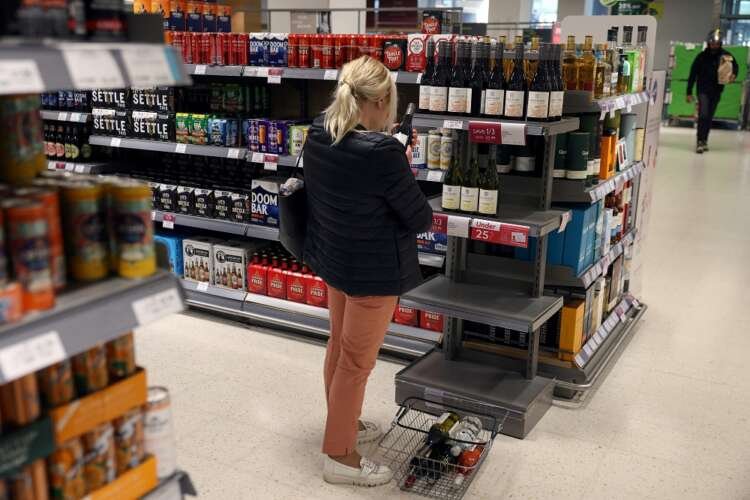
Published by Wanda Rich
Posted on May 20, 2022
2 min readLast updated: February 7, 2026
Add as preferred source on GoogleBy Andy Bruce
LONDON (Reuters) -British retail sales jumped unexpectedly in April as shoppers loaded up on alcohol and tobacco, likely a blip in an otherwise bleak trend that has driven consumer confidence to all-time lows amid a worsening cost-of-living crunch.
Retail sales volumes rose 1.4% month on month after a 1.2% drop in March, the Office for National Statistics said. Economists polled by Reuters had expected a 0.2% monthly fall.
The wider picture remains disconcerting.
Retail sales in the three months to April fell 0.3%, after a 0.7% drop in March. Compared with a year ago, sales volumes were 4.9% lower, marking the biggest annual drop since January 2021.
Earlier on Friday, Britain’s longest-running gauge of consumer confidence, the GfK survey, fell to its lowest since records began in 1974.
British consumers were hit last month by a double whammy of surging in household energy costs and higher taxes, and data published this week showed inflation hit a 40-year high of 9.0%.
The Bank of England thinks inflation will climb above 10% later this year.
“With price pressure set to persist through the rest of the year, households are likely to have to pare back discretionary spending, putting the brakes on economic growth,” said David Muir, senior economist at Moody’s Analytics.
“For the Bank of England, the challenge will be to walk the fine line between bringing inflation down while not tipping the economy into recession.”
The ONS said food store sales rose by 2.9% in April, largely driven by strong sales of alcohol, tobacco and ‘sweet treats’.
This was “possibly due to people staying in more to save money,” ONS statistician Heather Bovill said.
Online clothes sales also did well as people got ready for summer holidays and weddings, she added.
Leading supermarket groups including Tesco and Sainsbury’s have warned of lower profits this year and Premier Foods, the maker of Mr Kipling cakes and OXO stock cubes, said it would raise prices of its products.
(Reporting by Andy Bruce and David Milliken; editing by William James and John Stonestreet)
Consumer confidence measures how optimistic or pessimistic consumers feel about the economy's current and future state, influencing their spending and saving behaviors.
Inflation is the rate at which the general level of prices for goods and services rises, eroding purchasing power and affecting economic stability.
The cost-of-living crisis occurs when the prices of essential goods and services rise significantly, impacting consumers' ability to maintain their standard of living.
The Bank of England is the central bank of the UK, responsible for monetary policy, issuing currency, and maintaining financial stability.
Explore more articles in the Top Stories category











