
Top Stories
UK Inflation Slows by Less Than Expected to 3.2% in March
Published by Uma Rajagopal
Posted on April 17, 2024
2 min readLast updated: January 30, 2026
Add as preferred source on Google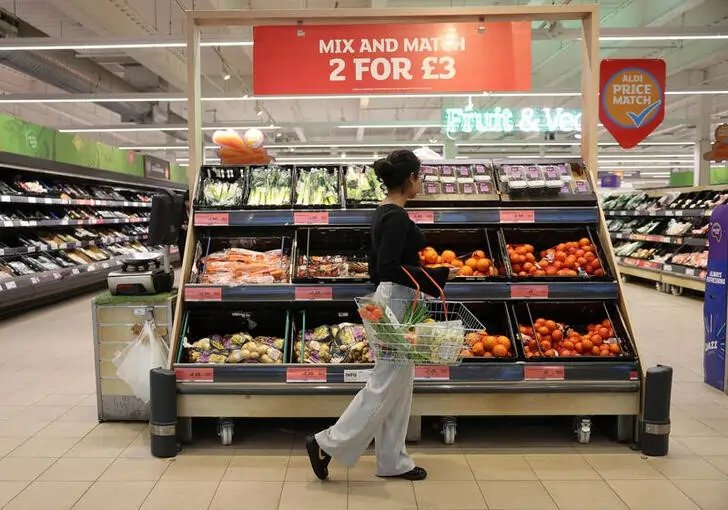
Published by Uma Rajagopal
Posted on April 17, 2024
2 min readLast updated: January 30, 2026
Add as preferred source on GoogleLONDON (Reuters) -British consumer price inflation slowed by less than expected to a two-and-a-half-year low of 3.2% in annual terms in March, down from a 3.4% increase in February, the Office for National Statistics said on Wednesday.
LONDON (Reuters) -British consumer price inflation slowed by less than expected to a two-and-a-half-year low of 3.2% in annual terms in March, down from a 3.4% increase in February, the Office for National Statistics said on Wednesday.
The Bank of England – which has an inflation target of 2% – and economists polled by Reuters had forecast an annual rate of 3.1%.
“Headline inflation took another small step on the path back to target,” Jake Finney, an economist at PwC UK, said, adding pressure would grow on the BoE to cut interest rates if inflation continued to fall.
“However, the Bank is likely to want more conclusive evidence that we have achieved a sustainable return to target before they pivot to rate cuts.”
The slowdown in Britain’s inflation rate contrasts with an acceleration of headline price growth in the United States which rose for a second month in a row to 3.5%, according to data published last week.
Sterling rose against the dollar and euro immediately after the figures were published.
Core inflation, which excludes energy, food and tobacco prices, also slowed to 4.2% from 4.5% in February. The Reuters poll had pointed to a reading of 4.1%.
Services inflation, which the BoE also watches closely, eased slightly to 6.0% from 6.1%, the ONS said.
The ONS said a slowdown in food prices was the main contributor to the decrease in headline inflation.
The prices of food and non-alcoholic beverages increased by 4% over the 12 months to March, their weakest increase since November 2021.
“Once again, food prices were the main reason for the fall, with prices rising by less than we saw a year ago,” ONS chief economist Grant Fitzner, said.
“Similarly to last month, we saw a partial offset from rising fuel prices.”
(Reporting by Suban Abdulla; Editing by Kate Holton and William Schomberg)
Inflation is the rate at which the general level of prices for goods and services rises, eroding purchasing power. It is typically measured by the Consumer Price Index (CPI).
Core inflation measures the long-term trend in prices by excluding volatile items such as food and energy. It provides a clearer view of underlying inflation trends.
The Bank of England aims for an inflation target of 2%. This target helps guide monetary policy decisions to maintain economic stability.
Consumer prices refer to the prices paid by households for goods and services. They are a key component in calculating inflation.
Monetary policy involves the management of money supply and interest rates by a central bank to control inflation and stabilize the currency.
Explore more articles in the Top Stories category











