
Top Stories
Sweden Plans to Send NATO Application Next Week, Expressen Daily Says
Published by Wanda Rich
Posted on May 12, 2022
2 min readLast updated: February 7, 2026
Add as preferred source on Google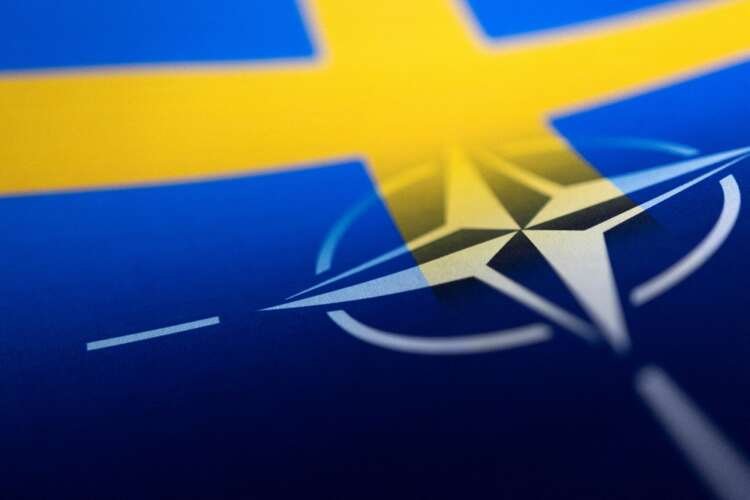
Published by Wanda Rich
Posted on May 12, 2022
2 min readLast updated: February 7, 2026
Add as preferred source on GoogleSTOCKHOLM (Reuters) -Sweden’s government plans to submit an application to join NATO next week, following neighbour Finland in re-writing its post-World War Two security policy in the wake of Russia’s invasion of Ukraine, Expressen newspaper reported on Thursday.
STOCKHOLM (Reuters) -Sweden’s government plans to submit an application to join NATO next week, following neighbour Finland in re-writing its post-World War Two security policy in the wake of Russia’s invasion of Ukraine, Expressen newspaper reported on Thursday.
Sweden’s parliament will debate the security situation on Monday and Prime Minister Magdalena Andersson will then call a special cabinet meeting where the formal decision to apply will be taken, Expressen said, citing unnamed sources.
An application will be sent directly after that, assuming nothing unexpected occurs, sources told the daily.
Following Russia’s invasion of Ukraine, which Moscow calls a “special military operation”, Sweden and Finland have both been widely expected to seek greater security by joining NATO and abandoning decades of military non-alignment.
Expressen also reported, citing sources, that an all-party review of Swedish security policy due on Friday will conclude that NATO membership would work as a deterrent if Russia wanted to invade Sweden.
“Swedish NATO membership would raise the threshold for military conflicts and thus have a conflict-preventing effect in northern Europe,” Expressen quoted the report saying.
The ruling Social Democrats are still debating whether to switch policy and support an application. The party is due to take a decision on Sunday.
Earlier on Thursday, Finland’s President Sauli Niinisto and Prime Minister Sanna Marin said the country must apply to join the NATO military alliance “without delay”, heaping pressure on Sweden to follow suit.
Finland is Sweden’s closest military ally and the only other Nordic country not to be a member of NATO.
(Reporting by Simon Johnson and Johan Ahlander; editing by Niklas Pollard and Hugh Lawson)
NATO, or the North Atlantic Treaty Organization, is a military alliance established in 1949 for mutual defense against aggression. It consists of member countries that agree to defend each other in case of an attack.
Military non-alignment refers to a country's policy of not formally aligning itself with any major power bloc or military alliance, allowing it to remain neutral in conflicts.
A deterrent effect refers to the prevention of undesirable actions, such as military aggression, through the threat of significant consequences or retaliation.
Parliamentary debate is a formal discussion in a legislative body where members express their views on proposed legislation or policies, allowing for deliberation and decision-making.
Explore more articles in the Top Stories category











