
Top Stories
Sterling Steady as Traders Mull Deficit, Cooling Inflation
Published by Wanda Rich
Posted on December 21, 2023
2 min readLast updated: January 31, 2026
Add as preferred source on Google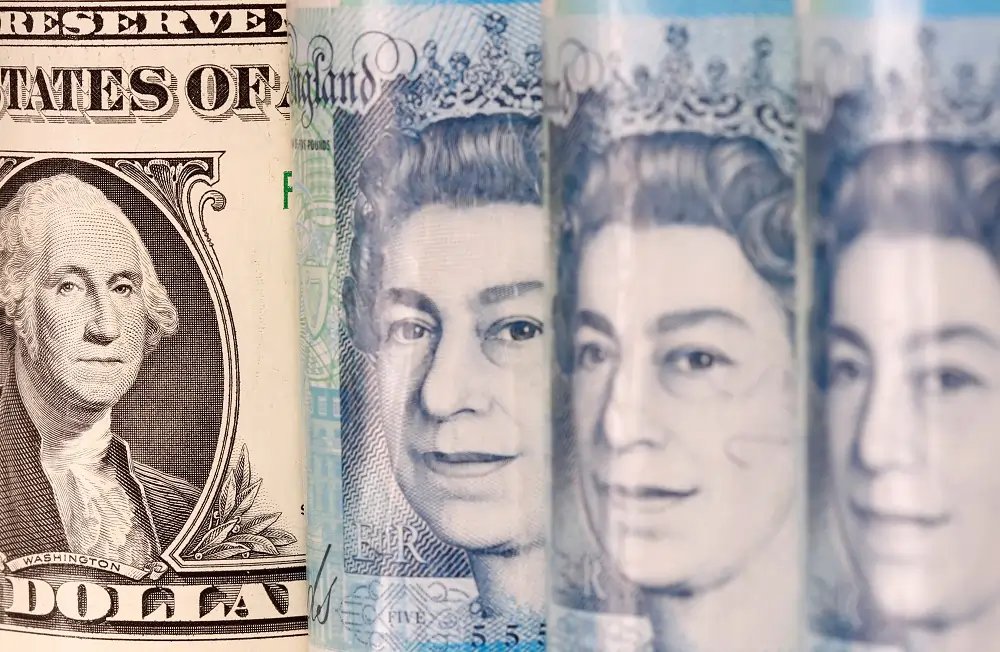
Published by Wanda Rich
Posted on December 21, 2023
2 min readLast updated: January 31, 2026
Add as preferred source on GoogleLONDON – Sterling was flat against the dollar on Thursday as traders digested the latest snapshot of the
LONDON – Sterling was flat against the dollar on Thursday as traders digested the latest snapshot of the UK budget deficit, while Wednesday’s cooler-than-expected November inflation print continued to sink in.
At 1055 GMT, sterling was unchanged against the dollar at $1.26390.
Figures on Thursday showed the budget picture for British Prime Minister Rishi Sunak deteriorating as November’s deficit came out wider than expected, though a smaller debt interest bill thanks to slowing inflation could yet restore some of his limited room for pre-election tax cuts.
The data follows a key inflation reading on Wednesday that came in well below expectations, prompting market players to bring forward bets on when the Bank of England (BoE) will start cutting interest rates. The CPI print saw the pound plunge 0.715% versus the dollar on Wednesday, clocking its biggest daily fall in almost two months.
“The pound continues to suffer, with the UK inflation report helping to bring forward expectations over the Bank of England easing next year,” wrote Joshua Mahony, chief market analyst at Scope Markets.
“…yesterday’s November inflation report has finally seen markets believe in the ability to swiftly return to the 2%, which looks likely within the next six-months,” said Mahony.
Last week, the BoE kept rates steady at its final policy meeting for 2023. Market players are betting on around 140 basis points of interest rate cuts by the BoE during 2024.
Elsewhere, a survey on Thursday showed that British businesses became more downbeat about the economic outlook in December, with the biggest monthly decline in confidence in more than a year, adding to signs of a slowdown in the country’s economy.
(Reporting by Lucy Raitano; Editing by Bernadette Baum)
Inflation is the rate at which the general level of prices for goods and services rises, eroding purchasing power. It is typically measured by the Consumer Price Index (CPI).
The Bank of England is the central bank of the United Kingdom, responsible for issuing currency, maintaining monetary stability, and overseeing the financial system.
Interest rates represent the cost of borrowing money or the return on savings. They influence economic activity, affecting consumer spending and investment.
The Consumer Price Index (CPI) measures the average change over time in the prices paid by consumers for a basket of goods and services, indicating inflation levels.
Explore more articles in the Top Stories category











