
Top Stories
Sterling Steadies Against Dollar, Jumps to 16-year High vs Yen
Published by Uma Rajagopal
Posted on April 26, 2024
2 min readLast updated: January 30, 2026
Add as preferred source on Google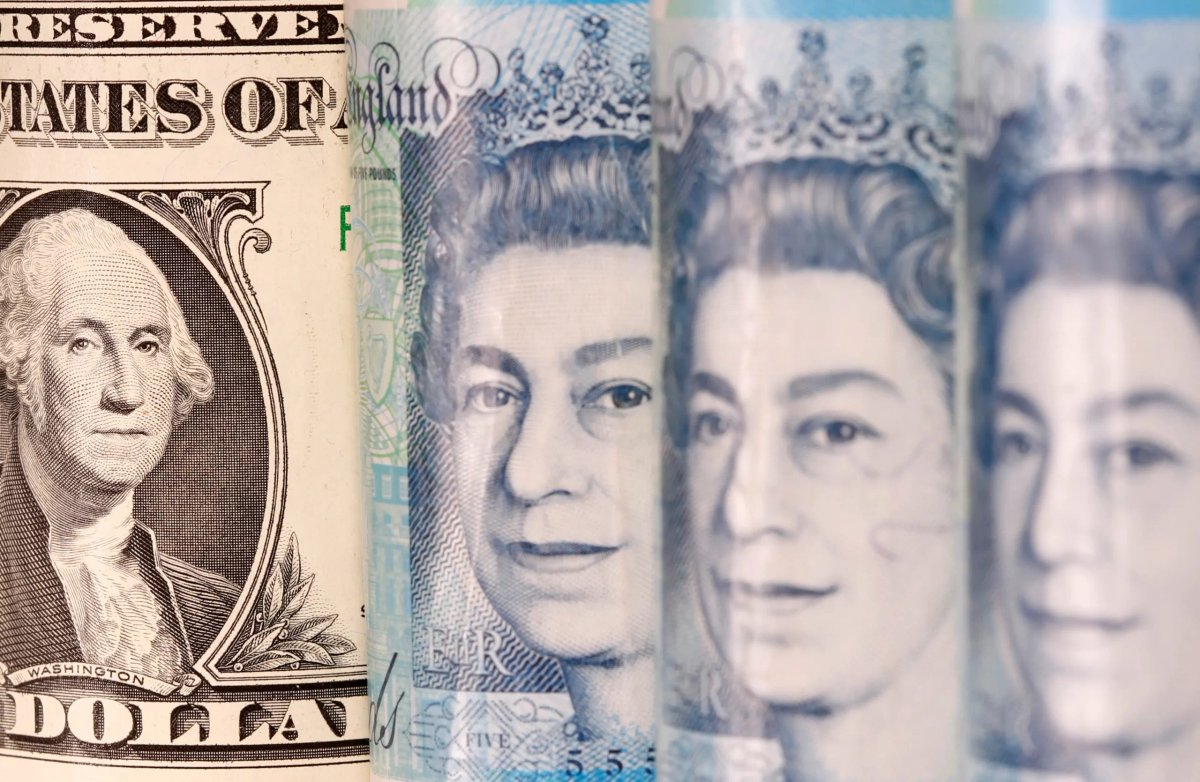
Published by Uma Rajagopal
Posted on April 26, 2024
2 min readLast updated: January 30, 2026
Add as preferred source on GoogleBy Joice Alves
LONDON (Reuters) – Sterling steadied on Friday after rising to a two-week high against the dollar as markets awaited for key U.S. inflation data for clues on the Federal Reserve’s next moves.
Against the closely watched declining yen, sterling rose to its highest level in almost 16 years.
It was flat at $1.2510 after rising earlier in the day to its highest against the dollar since April 12, adding to Thursday’s rally after U.S. data showed economic growth unexpected slowed, while inflation accelerated, which reinforced expectations the Fed would not cut interest rates before September.
The inflation surprise put an even greater-than-usual focus on the release of U.S. personal consumption expenditures (PCE) price index data for March due at 1230 GMT.
Against the euro, sterling was also about flat, 0.1% on the day at 85.64 pence, both currencies having risen against the dollar after Thursday’s U.S. economic data.
“The pound and the euro reacted perfectly in tandem to U.S. GDP yesterday,” said Francesco Pesole, FX strategists at ING.
He added that with U.S. data having a neutral impact, only another round of repricing in Bank of England rates expectations can really stir the pair.
The main focus on Friday was the weakening yen, which fell to a 34-year low against the dollar with markets on edge about possible intervention after the Bank of Japan kept interest rates on hold.
Against the Japanese currency, sterling jumped 1.3% to 196.11, having touched its highest level since September 2008.
“Anyone who was looking for more dramatic actions from the BoJ will have been disappointed by this meeting. However, the economic data supported the BoJ’s cautious move,” said Kathleen Brooks, research director at XTB.
She noted that one month sterling/yen volatility has been retreating.
Sterling/yen implied one month volatility is up for a third day, but still below last week’s highs.
“We may see it fall further, as the risks of official intervention to support the yen begins to recede. This does not mean that the yen will recover, but it does mean that the decline could be in a more orderly fashion, with less big swings in the coming weeks,” she said.
(Reporting by Joice Alves; Editing by Toby Chopra)
Inflation is the rate at which the general level of prices for goods and services rises, eroding purchasing power. It is typically measured by the Consumer Price Index (CPI) or the Personal Consumption Expenditures (PCE) index.
Foreign exchange, or forex, refers to the global marketplace for trading national currencies against one another. It is the largest financial market in the world, with a daily trading volume exceeding $6 trillion.
A central bank is a financial institution that manages a country's currency, money supply, and interest rates. It also oversees the banking system and implements monetary policy to achieve economic stability.
The Federal Reserve, often referred to as the Fed, is the central bank of the United States. It regulates the U.S. monetary and financial system and aims to promote maximum employment and stable prices.
Explore more articles in the Top Stories category











