
Top Stories
Sterling Rises as BoE’s Pill Sees Further Rate Rises Ahead
Published by Wanda Rich
Posted on June 21, 2022
2 min readLast updated: February 6, 2026
Add as preferred source on Google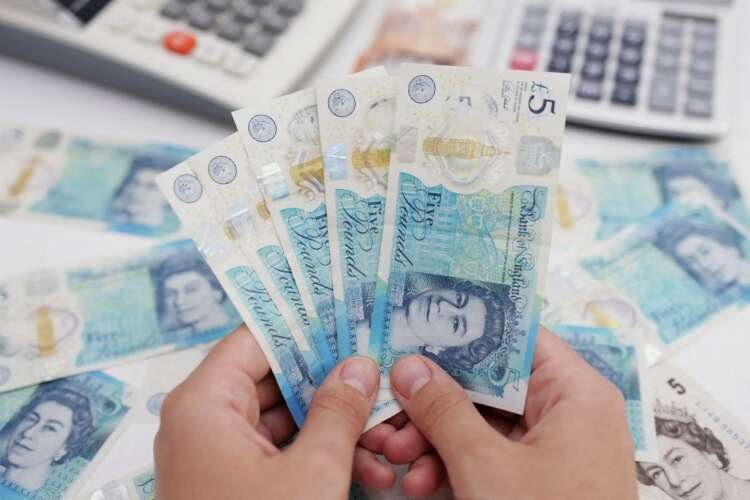
Published by Wanda Rich
Posted on June 21, 2022
2 min readLast updated: February 6, 2026
Add as preferred source on GoogleBy Joice Alves
LONDON (Reuters) – The pound rose against the U.S. dollar on Tuesday as hawkish comments from Bank of England policymakers continued to support the currency, with an equity rally also helping risk-sensitive sterling.
After a three-week losing streak versus the dollar, the British pound rose 0.5% to $1.2310, moving away from a March 2020 low of $1.1934 touched last week.
Against the euro, sterling edged 0.1% lower at 85.92 pence, after touching a 13-month low of 87.21 pence versus the single currency last week.
BoE chief economist Huw Pill said on Tuesday the central bank would need to raise interest rates further in the near future to tackle surging inflation.
A day earlier, BoE Monetary Policy Committee member Catherine Mann, who voted unsuccessfully for a half-point increase in interest rates last week, said that the BoE should raise rates faster than it has done so far because the pound’s weakness was adding to inflation pressures in Britain.
Markets are pricing in 184.50 basis points of BoE interest rates hikes by December. [IRPR]
The BoE raised its benchmark interest rate by a quarter point to 1.25% on June 16 and said it was ready to act “forcefully” if needed to stamp out dangers posed by inflation.
Jeremy Stretch, head of G10 FX strategy at CIBC, said that all eyes this week would be on a set of economic data, including inflation on Wednesday, which could give investors clues on how forceful the central bank will be in an attempt to fight rising prices.
“A double-digit annual CPI gain is unlikely until July, (but) ongoing price pressures are set to underpin a summer of potential strikes and general malaise and discontent. This suggests maintaining a bias to sell into any risk-inspired sterling gains,” he said.
Britain’s biggest rail strike in 30 years kicked off on Tuesday as tens of thousands of staff walked out in a dispute over pay and jobs that could pave the way for widespread industrial action across the economy in coming months.
Also supporting sterling, London’s FTSE 100 index climbed on Tuesday, as a rally in crude prices saw energy stocks surge.
“Equity are grinding higher helping those that are risk correlated such as sterling,” Stretch said.
(Reporting by Joice Alves; Editing by Alison Williams)
The Bank of England is the central bank of the United Kingdom, responsible for issuing currency, managing monetary policy, and ensuring financial stability.
Interest rates are the cost of borrowing money or the return on savings, expressed as a percentage of the principal amount.
Inflation is the rate at which the general level of prices for goods and services rises, eroding purchasing power.
A currency rally refers to a significant increase in the value of a currency against others, often driven by economic factors or investor sentiment.
The Monetary Policy Committee is a group within the Bank of England that sets the official interest rate and makes decisions regarding monetary policy.
Explore more articles in the Top Stories category











