
Top Stories
Sterling Inches Higher After Last Week’s Fall
Published by Jessica Weisman-Pitts
Posted on February 19, 2024
2 min readLast updated: January 31, 2026
Add as preferred source on Google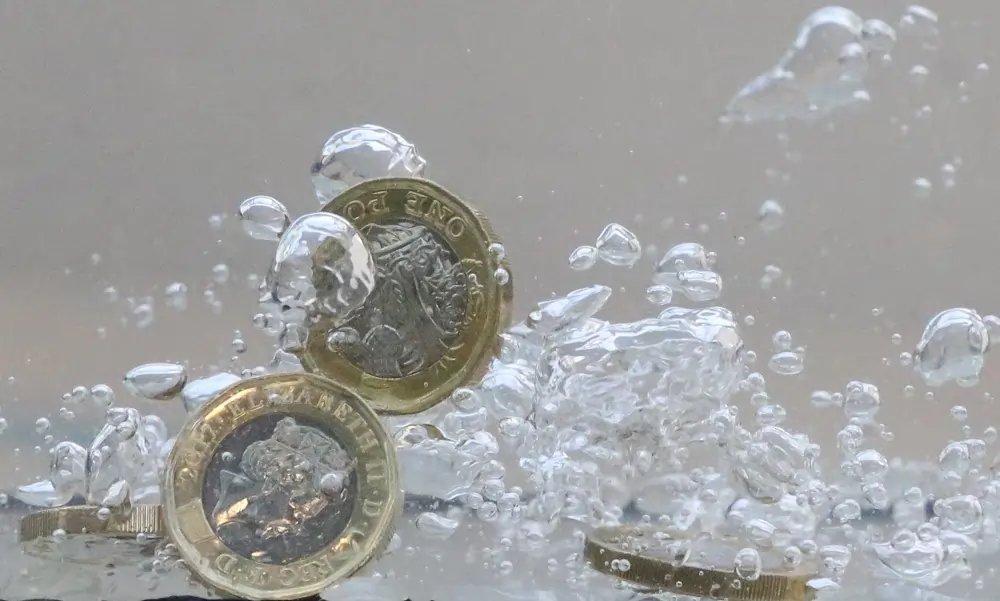
Published by Jessica Weisman-Pitts
Posted on February 19, 2024
2 min readLast updated: January 31, 2026
Add as preferred source on GoogleBy Harry Robertson
LONDON (Reuters) – The pound edged slightly higher on Monday after falling last week, as investors waited for new impetus from survey data on Thursday.
Sterling was last up 0.12% at $1.2615 after slipping 0.25% last week. U.S. markets are closed for the Presidents’ Day holiday, with trading volumes likely to be low throughout the day.
Meanwhile, the euro was 0.1% lower against the pound at 85.42 pence.
The single currency fell to a six-month low against sterling of 84.98 pence last week after UK wage data beat expectations, boosting the pound. But it then rose again when the pound fell after UK inflation figures came in lower than expected.
Chris Turner, global head of markets at ING, said currencies were likely to continue to be relatively quiet until central banks start cutting interest rates later in the year.
“Volatility in FX markets derives from volatility in interest rate markets, and because policy expectations are now sort of flat for the time being, we’re not getting that source of volatility.”
The survey-based purchasing managers’ index data, released on Thursday, will give a sense of the health of the UK economy in February.
Investors currently expect around 70 basis points of interest rate cuts from the Bank of England this year, down from around 110 at the start of February. They see a roughly 55% chance that the first BoE cut comes by June.
BoE chief economist Huw Pill said late on Friday that progress on inflation had so far been quite modest.
“I do think that we will have to wait several more months before we can be convinced that the squeezing out of the persistent component of inflation is there,” Pill said at a panel discussion hosted by the United States’ National Association for Business Economics.
Last week, data showed UK inflation held steady at 4% in January, defying forecasts for a rise, although remaining well above the BoE’s 2% target.
(Reporting by Harry Robertson; Editing by Bernadette Baum and Susan Fenton)
Interest rates are the cost of borrowing money or the return on savings, expressed as a percentage. They are set by central banks and influence economic activity, including spending and investment.
Currency hedging is a financial strategy used to protect against potential losses from fluctuations in exchange rates. It involves using financial instruments to offset risks associated with currency movements.
Financial markets are platforms where buyers and sellers engage in trading financial assets such as stocks, bonds, currencies, and derivatives. They play a vital role in the economy by facilitating capital allocation.
Explore more articles in the Top Stories category











