
Top Stories
Spanish Banks Face Rise in Deposit Costs, Central Bank Warns
Published by Jessica Weisman-Pitts
Posted on October 30, 2023
2 min readLast updated: January 31, 2026
Add as preferred source on Google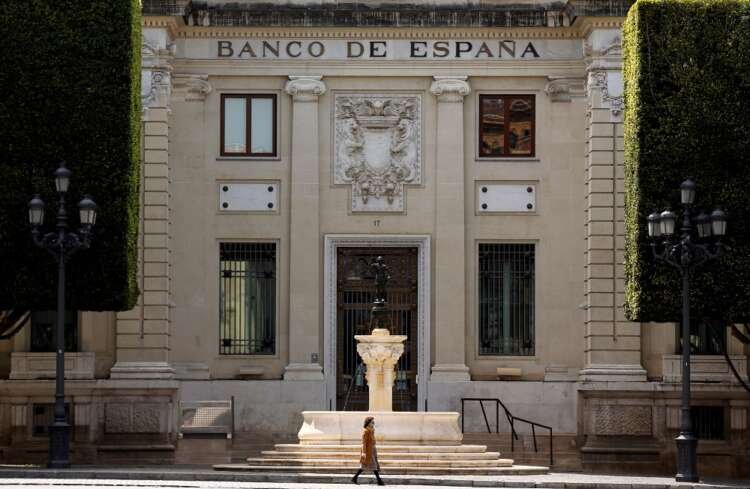
Published by Jessica Weisman-Pitts
Posted on October 30, 2023
2 min readLast updated: January 31, 2026
Add as preferred source on GoogleBy Jesús Aguado
MADRID (Reuters) – Spanish lenders could find themselves affected by increasing global risks, such as higher-for-longer interest rates that could inflate their so far contained retail deposit costs and also lead to more bad loans, the Bank of Spain warned on Monday.
Spanish banks are mainly retail lenders and have been benefiting from rising interest rates, with higher returns on their loans, driven mainly by floating rate credit, while keeping deposit costs under control.
Among European lenders, Spanish banks offer the lowest one-year bank deposit remuneration. As of August, banks offered on average a return on one-year deposits of 2.34%, compared to just over 3% in the euro zone as a whole.
“In an environment where interest rates are expected to remain higher for a longer period of time, liability costs (including retails deposits), so far contained, are evolving progressively upwards,” the central bank said in its semiannual financial stability report.
In a context of lower demand for credit, net interest income, the difference between higher earnings from loans minus deposits costs, could deteriorate in coming months due to higher deposits costs and lower minimum remuneration requirements from the European Central Bank.
Spanish banks have so far managed to offset a decline in new mortgage portfolio by repricing their existing loans. The stock of mortgages dropped by 2.6% year-on-year in the second quarter.
But the central bank now said that higher rates could impact home sales in the coming quarters and expected a deterioration in credit quality, which has so far not materialised. Bad loans were still hovering at near record lows of 3.56% of all credit in August, far below the all-time high of 13.6% in late 2013.
With the Spanish economy also expected to show a moderate economic growth in the fourth quarter, the Bank of Spain urged lenders to apply prudent policies of provisioning and capital planning and use higher profits to strengthen resilience.
(Reporting by Jesús Aguado, editing by Andrei Khalip)
A central bank is a financial institution that manages a country's currency, money supply, and interest rates. It oversees the banking system and implements monetary policy.
Retail deposits are funds that individuals deposit in banks or financial institutions, typically in the form of savings or checking accounts.
Bad loans, also known as non-performing loans, are loans that are in default or close to being in default, meaning the borrower has not made required payments.
Explore more articles in the Top Stories category











