
Top Stories
Reckitt Price Hikes Drive Better Than Expected Sales Growth
Published by Wanda Rich
Posted on April 29, 2022
2 min readLast updated: February 7, 2026
Add as preferred source on Google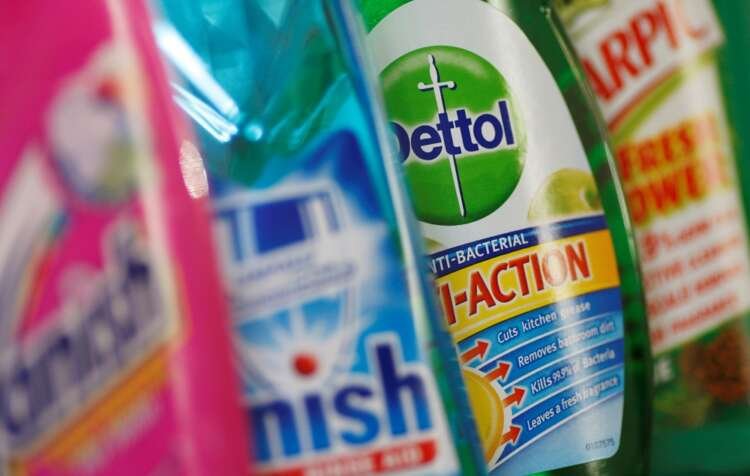
Published by Wanda Rich
Posted on April 29, 2022
2 min readLast updated: February 7, 2026
Add as preferred source on GoogleLONDON (Reuters) -Reckitt Benckiser Group beat first-quarter sales expectations on Friday, having increased prices to offset soaring raw material costs and flat volumes.
LONDON (Reuters) -Reckitt Benckiser Group beat first-quarter sales expectations on Friday, having increased prices to offset soaring raw material costs and flat volumes.
Consumer goods manufacturers from Procter & Gamble to Nestle have for months sought to raise prices in the face of higher supply chain and commodity expenses, with Russia’s invasion of Ukraine having also driven energy prices to record highs.
The maker of Lysol cleaning products and Durex condoms said that cost inflation has increased to percentages in the “high teens”. The company had said in February that full-year costs had risen by about 11% and it expected expenses to be higher in 2022.
“The input environment remains highly volatile and unpredictable,” Reckitt said. “It has become more adverse since our last market update in February due to the ongoing war in Ukraine.”
Reckitt raised prices by 5.3% during the quarter and said it now expects full-year like-for-like net revenue growth towards the upper end of its forecast of 1-4%.
“We’re very conscious of our competitive position, of our price gaps versus competitors,” Chief Executive Laxman Narasimhan said on a media call. “We’re looking at price points and ensuring consumers have a range of price points.”
The company expects full-year adjusted operating margins in line with current market expectations of 22.9%.
Quarterly like-for-like sales rose 5.6%, ahead of the 1.5% growth analysts had expected in a company-supplied poll.
“It’s a strong, broad-based beat … They’re able to take the pricing (measures) they need to offset input cost pressures this year and still grow market share,” Barclays analyst Iain Simpson said, adding that companies far and wide are having to raise their prices.
(Reporting by Richa NaiduEditing by David Goodman)
Cost inflation refers to the increase in the prices of goods and services due to rising production costs, which can affect overall economic conditions and consumer purchasing power.
A pricing strategy is a method used by businesses to set prices for their products or services, taking into account factors like costs, competition, and consumer demand.
Market share is the percentage of an industry's sales that a particular company controls, indicating its competitiveness and presence in the market.
Explore more articles in the Top Stories category











