
Top Stories
Post Pandemic Britons Still Spend More Time Working From Home – Ons
Published by Jessica Weisman-Pitts
Posted on August 9, 2022
2 min readLast updated: February 4, 2026
Add as preferred source on Google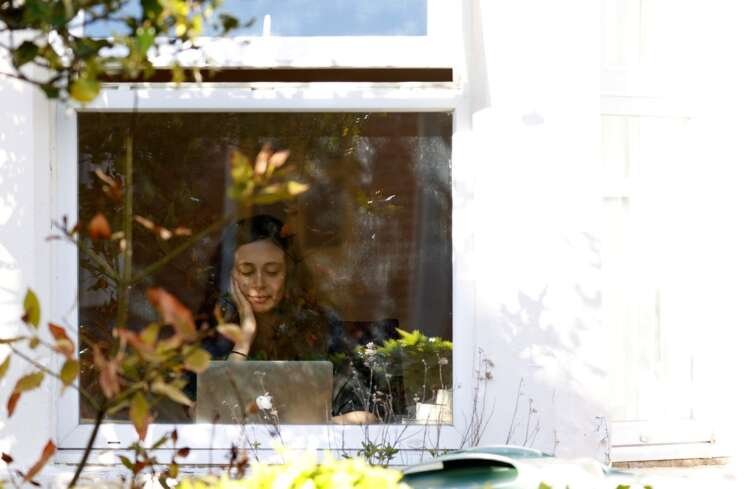
Published by Jessica Weisman-Pitts
Posted on August 9, 2022
2 min readLast updated: February 4, 2026
Add as preferred source on GoogleLONDON (Reuters) – British workers are spending more time working from home compared with pre-pandemic times despite the lifting of COVID-19 restrictions, according to official data released on Tuesday that offered a glimpse of what the ‘new normal’ looks like.
LONDON (Reuters) – British workers are spending more time working from home compared with pre-pandemic times despite the lifting of COVID-19 restrictions, according to official data released on Tuesday that offered a glimpse of what the ‘new normal’ looks like.
In March 2020 the global coronavirus outbreak triggered a radical redesign of swathes of the world economy, forcing many firms and their workers to give up on the office temporarily and adapt to working from home.
Data from the Office for National Statistics (ONS) showed some of those changes have become more permanent.
The ONS compared how people spent their time before the pandemic, in 2014/2015, with March 2021, when some COVID restrictions were in place, and with March 2022 when almost all restrictions across Britain were lifted.
The data showed paid British workers on average spent 101 minutes per day working from home in March this year, 79 minutes more than in 2014/2015. In March 2021, when a ‘stay at home’ order was in place, the average was 110.
The data also showed how habits that Britons picked up during the pandemic – when many had more free time and less ability to socialise – were changing.
Time spent streaming or watching television in March 2022 was the lowest since the start of the pandemic, at an average 149 minutes per day. In March 2021, that figure was 176 minutes.
The amount of time spent doing gardening or DIY fell by nearly a third over that period, and less time was spent cleaning the house and reading books or newspapers.
And, while the amount of time spent exercising, an average of 25 minutes per day, was higher than the 19 minutes in 2014/15, it was below March 2021’s 30 minutes.
(Reporting by Farouq Suleiman; editing by William James and William Schomberg)
Remote work refers to a work arrangement where employees perform their job duties outside of a traditional office environment, often from home or other locations.
The UK economy is the economic system of the United Kingdom, characterized by a mixed economy that includes both private and public sector enterprises.
Work-life balance is the concept of prioritizing both work and personal life, ensuring that neither aspect negatively affects the other.
Employment trends refer to patterns and changes in job markets, including hiring practices, job availability, and workforce dynamics over time.
The COVID-19 pandemic has significantly affected employment, leading to increased remote work, changes in job availability, and shifts in workforce needs.
Explore more articles in the Top Stories category











