
Top Stories
Paris Commuters Face Travel Chaos Thursday as Metro Workers Strike
Published by Uma Rajagopal
Posted on November 10, 2022
2 min readLast updated: February 3, 2026
Add as preferred source on Google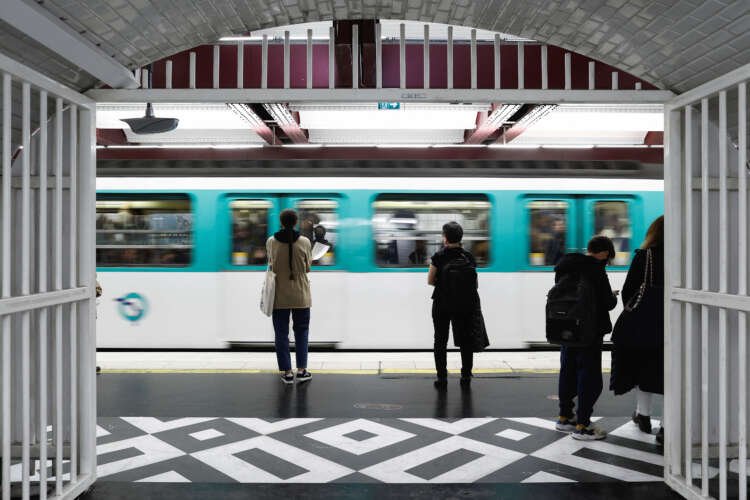
Published by Uma Rajagopal
Posted on November 10, 2022
2 min readLast updated: February 3, 2026
Add as preferred source on GoogleBy Caroline Pailliez
PARIS (Reuters) – Paris commuters and visiting tourists are set to face serious disruptions on Thursday as metro workers go on strike, with a third of subway lines completely closed and most others working only at peak hours.
The hardline CGT union called on workers nationwide to walk off their job but the impact beyond the millions who take the Paris metro every day could be quite limited. Other unions have not joined in after similar calls over the past weeks failed to gather much traction.
There will be minor disruptions to broader train traffic, and teachers may walk off the job in some schools.
But Murielle Guilbert, co-head of Solidaires, another hardline union, told Reuters the union did not join the call for a nationwide strike because it “did not feel there was a potential for a massive mobilisation over wages and preferred focusing on specific sectors”.
A sector-specific, weeks-long strike called by CGT at TotalEnergies ended with a wage agreement after triggering major shortages at petrol stations.
Thursday’s walkout comes in a tense political climate as the French government, which lacks a straight majority in parliament, repeatedly used special constitutional powers to push the 2023 budget bill in parliament without a vote.
Unions are also focused on President Emmanuel Macron’s ability to pass a pension reform, which most of them oppose and could trigger mass protests.
(Reporting by Caroline Pailliez, Editing by Ingrid Melander and Bill Berkrot)
A strike is a work stoppage initiated by employees to protest against working conditions, pay, or other employment issues. It is often organized by unions to exert pressure on employers.
Public transportation refers to systems of transport that are available for use by the general public, typically consisting of buses, trains, subways, and ferries, providing affordable travel options.
Explore more articles in the Top Stories category











