
Top Stories
Oil Rises on Prospect of OPEC Supply Cut, Demand Growth
Published by Uma Rajagopal
Posted on August 29, 2022
2 min readLast updated: February 4, 2026
Add as preferred source on Google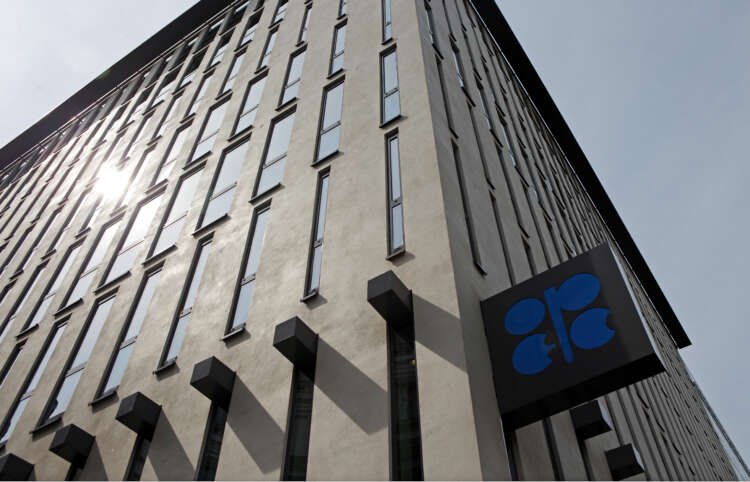
Published by Uma Rajagopal
Posted on August 29, 2022
2 min readLast updated: February 4, 2026
Add as preferred source on GoogleBy Sonali Paul and Mohi Narayan
(Reuters) -Oil prices rose 1% on Monday, as expectations that OPEC would cut output if needed to support prices, coupled with conflict in Libya and rising demand amid soaring natural gas prices in Europe, helped offset a dire outlook for U.S. growth.
U.S. West Texas Intermediate (WTI) crude futures were up 45 cents, or 0.48%, to $93.51 a barrel by 0632 GMT, adding to a gain of 2.5% last week.
Brent crude futures rose 16 cents, or 0.16%, to $101.15 a barrel, extending last week’s gain of 4.4%.
“Oil prices are inching higher on hopes of a production cut from OPEC and its allies to restore market balance in response to the revival of Iran’s nuclear deal,” said Sugandha Sachdeva, vice president of commodity research at Religare Broking.
Strong U.S. oil exports and a bigger-than-expected draw of oil inventory in the last couple of weeks have also eased some demand concerns amid slowdown fears, Sachdeva added.
Both benchmark contracts had traded lower earlier in the day as the dollar climbed after Friday’s blunt comments from Federal Reserve Chairman Jerome Powell that the United States faced a prolonged period of slow growth amid further rate hikes.
“While a strong dollar restrains broad commodity prices, the undersupply issue in the oil markets will probably continue to support the upside bias,” CMC Markets analyst Tina Teng said.
Oil prices have been buoyed by hints from Saudi Arabia and other members of the Organization of the Petroleum Exporting Countries and allies, together called OPEC+, that they could cut output in order to balance the market.
The United Arab Emirates is aligned with Saudi thinking on output policy, a source told Reuters on Friday, while the Omani oil ministry also said it supported OPEC+ efforts to maintain market stability.
Sources said last week OPEC would consider cutting output to offset any increase from Iran, should oil sanctions be lifted if Tehran agrees to revive a nuclear deal.
Heavy clashes in Libya’s capital that killed 32 on the weekend sparked concern that the country could slide into a full-blown conflict, leading to a disruption in supply of crude from the OPEC nation.
“Besides, soaring gas prices are likely to result in gas-to-oil switching, which remains a positive trigger for prices,” Sachdeva said.
(Reporting by Mohi Narayan in New Delhi and Sonali Paul in Melbourne; Editing by Himani Sarkar)
The Organization of the Petroleum Exporting Countries (OPEC) is a group of oil-producing countries that coordinates and unifies petroleum policies among member countries to ensure the stabilization of oil markets.
Crude oil futures are contracts to buy or sell a specific amount of crude oil at a predetermined price on a specified future date, allowing traders to hedge against price fluctuations.
West Texas Intermediate (WTI) is a grade of crude oil used as a benchmark in oil pricing. It is known for its high quality and low sulfur content.
Brent crude oil is a major trading classification of crude oil originating from the North Sea. It serves as a global benchmark for oil prices.
Explore more articles in the Top Stories category











