
Top Stories
New Cypher for Britain’s King Charles Unveiled
Published by Uma Rajagopal
Posted on September 27, 2022
1 min readLast updated: February 4, 2026
Add as preferred source on Google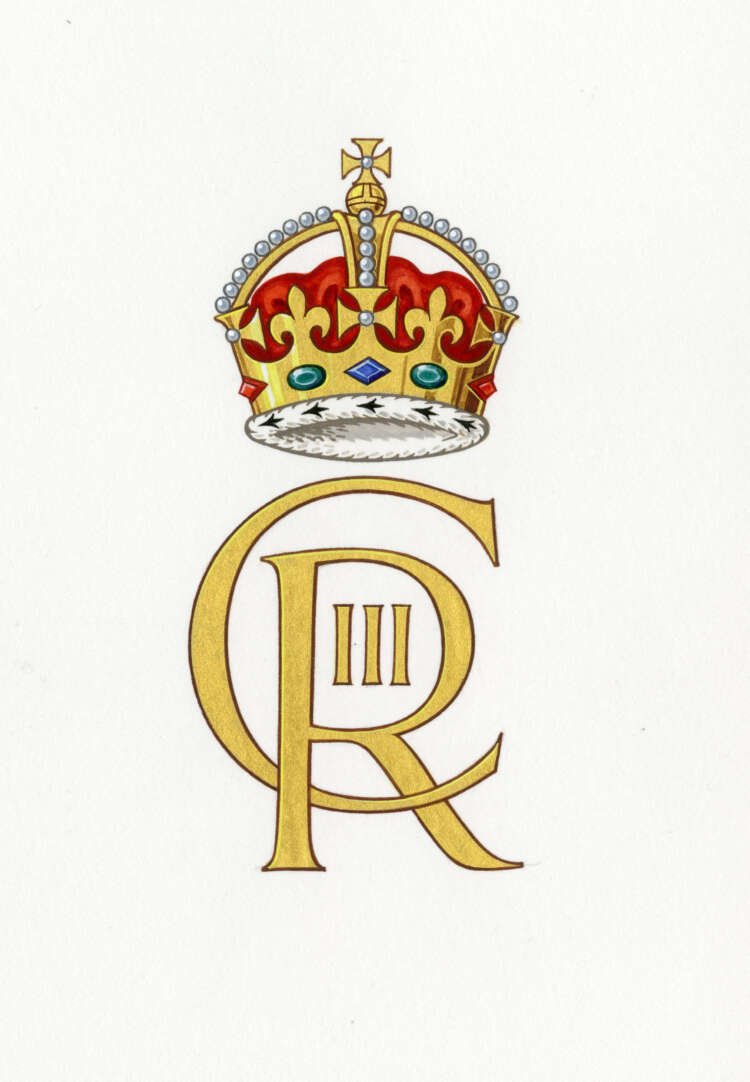
Published by Uma Rajagopal
Posted on September 27, 2022
1 min readLast updated: February 4, 2026
Add as preferred source on GoogleLONDON (Reuters) – The new cypher for Britain’s King Charles – the sovereign’s monogram that will appear on government buildings and red mail pillar boxes – has been revealed by Buckingham Palace.
LONDON (Reuters) – The new cypher for Britain’s King Charles – the sovereign’s monogram that will appear on government buildings and red mail pillar boxes – has been revealed by Buckingham Palace.
The cypher, selected by the new monarch from a series of designs prepared by the College of Arms, consists of the initials ‘C’ and ‘R’ – representing Charles’s name and “Rex”, the Latin for king – alongside a depiction of the crown.
A version used in Scotland will feature the Scottish Crown.
It will eventually replace the “EIIR” stamp of Queen Elizabeth who died earlier this month after 70 years on the throne.
“The decision to replace cyphers will be at the discretion of individual organisations, and the process will be gradual,” Buckingham Palace said in a statement.
The Court Post Office at the palace will frank its first items of mail using the new cypher on Tuesday.
(Reporting by Michael Holden, Editing by Paul Sandle)
A cypher is a monogram or emblem representing a sovereign, often used on official documents and buildings. In this case, it represents King Charles with his initials and a crown.
The College of Arms is a heraldic authority in England responsible for granting coats of arms and maintaining the records of armory. It plays a key role in designing royal cyphers.
A royal cypher serves as a symbol of the monarchy and is used on official documents, buildings, and currency to signify royal authority and presence.
The process of replacing a royal cypher is gradual and at the discretion of individual organizations, as they transition from the previous monarch's emblem to the new one.
Explore more articles in the Top Stories category











