
Top Stories
Morning Bid: Bailey Likely to Bail on Rate Change
Published by Uma Rajagopal
Posted on June 20, 2024
3 min readLast updated: January 30, 2026
Add as preferred source on Google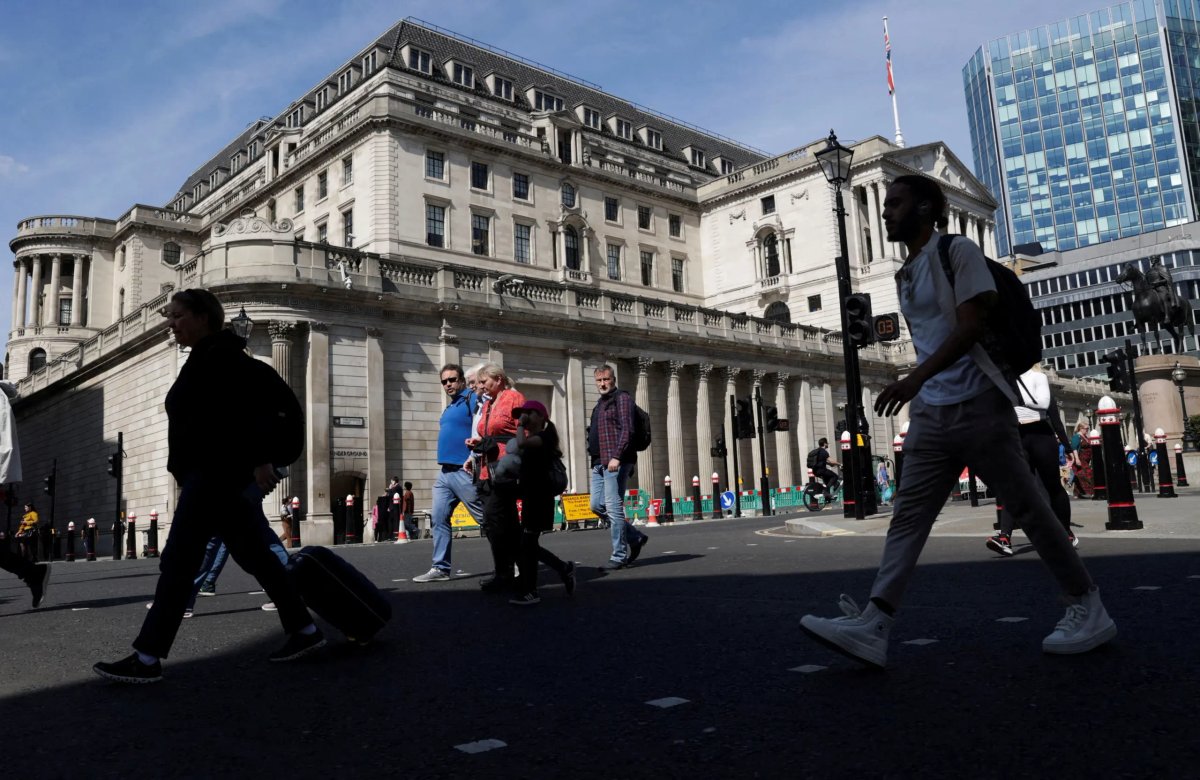
Published by Uma Rajagopal
Posted on June 20, 2024
3 min readLast updated: January 30, 2026
Add as preferred source on GoogleA look at the day ahead in European and global markets from
A look at the day ahead in European and global markets from Ankur Banerjee
British inflation may have returned to its 2% target for the first time in nearly three years, setting the stage for the Bank of England to cut interest rates – just not on Thursday.
An unchanged rate decision will be a disappointment for Prime Minister Rishi Sunak looking for an economic boost ahead of the general election next month. His Conservative Party is around 20 points behind the opposition Labour Party in pre-election polls.
Wage growth and underlying pricing pressure remain a concern for the central bank, which has said a return of inflation to its target is not enough on its own to start cutting interest rates.
Data on Wednesday showed annual consumer price inflation in May came in at 2%, slowing from April’s 2.3%, although services price inflation, which the BoE thinks gives a better picture of medium-term inflation risk, was 5.7%, above estimates.
So, things under the hood look murky, leaving Bank of England Governor Andrew Bailey little choice but to wait out, with markets fully pricing in a rate cut only in November.
Bailey opened the door early last month to a rate cut, saying he was “optimistic that things are moving in the right direction” but data since then has been less assuring.
Almost all 65 economists polled by Reuters last week expect the bank to move in August, with traders pricing in a 30% chance of that happening.
With Bailey and his colleagues cancelling public events when Sunak called the election on May 22, markets have had very little to gauge what the central bank is thinking and a surprise could well be in store.
Economist polled showed there will however be no surprise should the Swiss National Bank trim its key policy rate by 25 basis points later in the day in the wake of steady inflation. Norway’s central bank is widely expected to stand pat.
Futures contracts indicate a subdued start to European bourses after Asian stocks took a breather following a tech rally driven by U.S. chipmaker Nvidia.
Focus will again be on French markets after the European Commission said on Wednesday that France and six other countries should be disciplined for running budget deficits in excess of EU limits.
French stocks and the euro have been under pressure as political uncertainty in France and the possibility of a far-right-dominated parliament sapped sentiment in the wake of President Emmanuel Macron’s decision to call a snap vote.
Key developments that could influence markets on Thursday:
Economic events: Policy decision from Bank of England, Norway’s Norges bank and the Swiss National Bank
(By Ankur Banerjee; Editing by Christopher Cushing)
Inflation is the rate at which the general level of prices for goods and services rises, eroding purchasing power. It is measured as an annual percentage increase.
Monetary policy refers to the actions taken by a central bank to control the money supply and interest rates to achieve macroeconomic objectives like controlling inflation and stabilizing currency.
Interest rates are the cost of borrowing money or the return on savings, typically expressed as a percentage of the principal amount over a specific period.
The Bank of England is the central bank of the United Kingdom, responsible for issuing currency, managing monetary policy, and overseeing financial stability.
The UK economy is the economic system of the United Kingdom, characterized by a mixed economy that includes various sectors such as services, manufacturing, and agriculture.
Explore more articles in the Top Stories category











