Search
00
GBAF Logo
trophy
Top StoriesInterviewsBusinessFinanceBankingTechnologyInvestingTradingVideosAwardsMagazinesHeadlinesTrends

Subscribe to our newsletter

Get the latest news and updates from our team.

Global Banking and Finance Review

Global Banking & Finance Review

Company

    GBAF Logo
    • About Us
    • Profile
    • Privacy & Cookie Policy
    • Terms of Use
    • Contact Us
    • Advertising
    • Submit Post
    • Latest News
    • Research Reports
    • Press Release
    • Awards▾
      • About the Awards
      • Awards TimeTable
      • Submit Nominations
      • Testimonials
      • Media Room
      • Award Winners
      • FAQ
    • Magazines▾
      • Global Banking & Finance Review Magazine Issue 79
      • Global Banking & Finance Review Magazine Issue 78
      • Global Banking & Finance Review Magazine Issue 77
      • Global Banking & Finance Review Magazine Issue 76
      • Global Banking & Finance Review Magazine Issue 75
      • Global Banking & Finance Review Magazine Issue 73
      • Global Banking & Finance Review Magazine Issue 71
      • Global Banking & Finance Review Magazine Issue 70
      • Global Banking & Finance Review Magazine Issue 69
      • Global Banking & Finance Review Magazine Issue 66
    Top StoriesInterviewsBusinessFinanceBankingTechnologyInvestingTradingVideosAwardsMagazinesHeadlinesTrends

    Global Banking & Finance Review® is a leading financial portal and online magazine offering News, Analysis, Opinion, Reviews, Interviews & Videos from the world of Banking, Finance, Business, Trading, Technology, Investing, Brokerage, Foreign Exchange, Tax & Legal, Islamic Finance, Asset & Wealth Management.
    Copyright © 2010-2025 GBAF Publications Ltd - All Rights Reserved.

    Editorial & Advertiser disclosure

    Global Banking and Finance Review is an online platform offering news, analysis, and opinion on the latest trends, developments, and innovations in the banking and finance industry worldwide. The platform covers a diverse range of topics, including banking, insurance, investment, wealth management, fintech, and regulatory issues. The website publishes news, press releases, opinion and advertorials on various financial organizations, products and services which are commissioned from various Companies, Organizations, PR agencies, Bloggers etc. These commissioned articles are commercial in nature. This is not to be considered as financial advice and should be considered only for information purposes. It does not reflect the views or opinion of our website and is not to be considered an endorsement or a recommendation. We cannot guarantee the accuracy or applicability of any information provided with respect to your individual or personal circumstances. Please seek Professional advice from a qualified professional before making any financial decisions. We link to various third-party websites, affiliate sales networks, and to our advertising partners websites. When you view or click on certain links available on our articles, our partners may compensate us for displaying the content to you or make a purchase or fill a form. This will not incur any additional charges to you. To make things simpler for you to identity or distinguish advertised or sponsored articles or links, you may consider all articles or links hosted on our site as a commercial article placement. We will not be responsible for any loss you may suffer as a result of any omission or inaccuracy on the website.

    Home > Banking > May the best bank win: How to deliver seamless digital experiences to drive a competitive edge
    Banking

    May the best bank win: How to deliver seamless digital experiences to drive a competitive edge

    May the best bank win: How to deliver seamless digital experiences to drive a competitive edge

    Published by maria gbaf

    Posted on January 26, 2022

    Featured image for article about Banking

    By Jerome Bugnet, Director, Solution Engineering, MuleSoft

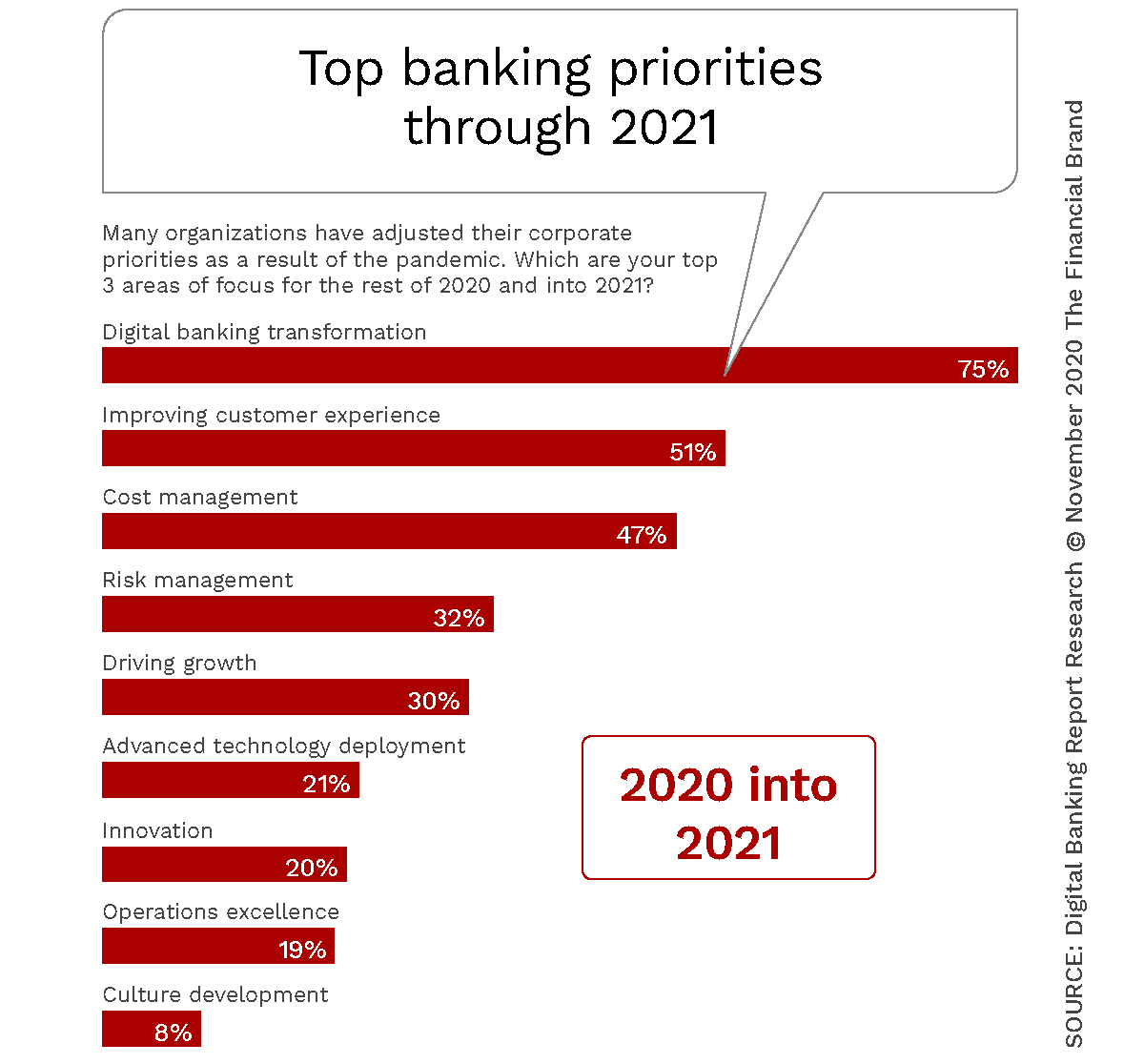
    The battle to capture customer hearts and minds is never-ending within the financial services industry, as banks constantly look to increase their market share. According to the Digital Banking Report, improving the customer experience has become a top priority for banks, as they continue to realise its importance to their future success. To compete in this new battleground, there’s a greater need than ever for banks to accelerate their transformation and improve their ability to deliver more seamless digital experiences. However, this is often difficult for banks that rely heavily on legacy IT environments, and calls for a fundamental rethink of how their operating models work.

    Devising a battle plan

    Banks must first draw up a strategy that will enable a ‘digital-ready culture,’ defined by a willingness to invest in new service delivery models to meet the evolving needs of their customers. This should include a big focus on automation, to make customer experience as frictionless as possible. With innovations such as straight-through loans processing and AI-enabled chatbots, banks can enable greater accessibility and convenience in the way customers interact with financial service providers.

    The principles of open banking are also becoming more important, as organisations increasingly see the value in embracing platform-based business models. These models allow banks to collaborate more freely with other service providers to deliver more seamless digital experiences. For instance, they could enable customers to access a mortgage capability directly through a property platform’s app or website when buying a house, rather than needing to approach the bank separately.

    Leading the charge

    Realising these ambitions is a significant challenge for more established banks. The reality is their IT operating models aren’t typically geared towards customer experience innovation or third-party collaboration. Data resides across multiple silos, making it difficult to access and share freely to improve customer journeys and collaborate with other service providers. Banks’ ability to connect these data silos, along with third party information, and make it more accessible, is key to better understanding and meeting the needs of their customers, both directly, and in partnership with others.

    To overcome these barriers, banks should make themselves more composable, by embracing API-led integration to expose data and digital capabilities for others to consume and deliver as part of their own service. With this approach, organisations replace rigid custom code with a flexible integration layer that seamlessly connects together all devices, data sources, and applications. By placing an API in front of systems and data sources, it is much easier to use those capabilities in future integration projects.  Becoming a composable business also helps banks accelerate customer experience innovation, by allowing them to see their digital assets as a network of reusable business capabilities. This means both experienced developers and business technologists – employees outside of the IT department – can use existing capabilities to build new digital banking services, without having to start from scratch or write any code. It also makes it easier for third parties to quickly add the bank’s capabilities to their own products by plugging in the relevant API. This uncovers new opportunities for banks to increase their revenue, by joining new value chains.

    Pushing the advantage

    By taking an API-led approach, not only can banks create more seamless customer experiences, but they can defend themselves from intensifying competition by unlocking new revenue streams and scaling their services into new markets. Crown Agents Bank, a UK based provider of foreign exchange and cross-border payment services, has seen these benefits first-hand, having embraced an API-led integration strategy to support a rapidly growing customer base. The bank previously relied on custom code connections between its front-end services and core banking systems, but found these too rigid and unable to scale. Crown Agents Bank adopted APIs to become more composable, so it could seamlessly connect with its fintech partners and handle a greater number of transactions. It’s since gone from being able to process 1,500 transactions a day to 50,000, increasing its payment processing capacity by more than 3,000%.

    In the race to drive a stronger competitive edge, we’ll soon see many other banks following in the footsteps of Crown Agents Bank and embracing a composable enterprise strategy, fuelled by API-led integration. This approach will be key to enabling the seamless digital banking experiences that customers expect. To enable this, banks need to make APIs a strategic focus, to drive greater agility, improved customer interactions, and a digital-ready mindset. It’s this approach that will set banks ahead of their rivals and ensure they win in the customer experience battle.

    By Jerome Bugnet, Director, Solution Engineering, MuleSoft

    The battle to capture customer hearts and minds is never-ending within the financial services industry, as banks constantly look to increase their market share. According to the Digital Banking Report, improving the customer experience has become a top priority for banks, as they continue to realise its importance to their future success. To compete in this new battleground, there’s a greater need than ever for banks to accelerate their transformation and improve their ability to deliver more seamless digital experiences. However, this is often difficult for banks that rely heavily on legacy IT environments, and calls for a fundamental rethink of how their operating models work.

    Devising a battle plan

    Banks must first draw up a strategy that will enable a ‘digital-ready culture,’ defined by a willingness to invest in new service delivery models to meet the evolving needs of their customers. This should include a big focus on automation, to make customer experience as frictionless as possible. With innovations such as straight-through loans processing and AI-enabled chatbots, banks can enable greater accessibility and convenience in the way customers interact with financial service providers.

    The principles of open banking are also becoming more important, as organisations increasingly see the value in embracing platform-based business models. These models allow banks to collaborate more freely with other service providers to deliver more seamless digital experiences. For instance, they could enable customers to access a mortgage capability directly through a property platform’s app or website when buying a house, rather than needing to approach the bank separately.

    Leading the charge

    Realising these ambitions is a significant challenge for more established banks. The reality is their IT operating models aren’t typically geared towards customer experience innovation or third-party collaboration. Data resides across multiple silos, making it difficult to access and share freely to improve customer journeys and collaborate with other service providers. Banks’ ability to connect these data silos, along with third party information, and make it more accessible, is key to better understanding and meeting the needs of their customers, both directly, and in partnership with others.

    To overcome these barriers, banks should make themselves more composable, by embracing API-led integration to expose data and digital capabilities for others to consume and deliver as part of their own service. With this approach, organisations replace rigid custom code with a flexible integration layer that seamlessly connects together all devices, data sources, and applications. By placing an API in front of systems and data sources, it is much easier to use those capabilities in future integration projects.  Becoming a composable business also helps banks accelerate customer experience innovation, by allowing them to see their digital assets as a network of reusable business capabilities. This means both experienced developers and business technologists – employees outside of the IT department – can use existing capabilities to build new digital banking services, without having to start from scratch or write any code. It also makes it easier for third parties to quickly add the bank’s capabilities to their own products by plugging in the relevant API. This uncovers new opportunities for banks to increase their revenue, by joining new value chains.

    Pushing the advantage

    By taking an API-led approach, not only can banks create more seamless customer experiences, but they can defend themselves from intensifying competition by unlocking new revenue streams and scaling their services into new markets. Crown Agents Bank, a UK based provider of foreign exchange and cross-border payment services, has seen these benefits first-hand, having embraced an API-led integration strategy to support a rapidly growing customer base. The bank previously relied on custom code connections between its front-end services and core banking systems, but found these too rigid and unable to scale. Crown Agents Bank adopted APIs to become more composable, so it could seamlessly connect with its fintech partners and handle a greater number of transactions. It’s since gone from being able to process 1,500 transactions a day to 50,000, increasing its payment processing capacity by more than 3,000%.

    In the race to drive a stronger competitive edge, we’ll soon see many other banks following in the footsteps of Crown Agents Bank and embracing a composable enterprise strategy, fuelled by API-led integration. This approach will be key to enabling the seamless digital banking experiences that customers expect. To enable this, banks need to make APIs a strategic focus, to drive greater agility, improved customer interactions, and a digital-ready mindset. It’s this approach that will set banks ahead of their rivals and ensure they win in the customer experience battle.

    Related Posts
    CIBC wins two Global Banking and Finance Awards for student banking
    CIBC wins two Global Banking and Finance Awards for student banking
    DeFi and banking are converging. Here’s what banks can do.
    DeFi and banking are converging. Here’s what banks can do.
    Are Neo Banks Offering Better Metal Debit Cards Than Traditional Banks?
    Are Neo Banks Offering Better Metal Debit Cards Than Traditional Banks?
    Banking at the Intersection: From Nashville to Cannes, A Strategic Call to Action
    Banking at the Intersection: From Nashville to Cannes, A Strategic Call to Action
    Driving Efficiency and Profit Through Customer-Centric Banking
    Driving Efficiency and Profit Through Customer-Centric Banking
    How Ecosystem Partnerships Are Redefining Deposit Products
    How Ecosystem Partnerships Are Redefining Deposit Products
    CIBC Private Banking wins four 2025 Global Banking & Finance Awards
    CIBC Private Banking wins four 2025 Global Banking & Finance Awards
    How Banks Can Put AI to Work Now and Prove ROI in 90 Days
    How Banks Can Put AI to Work Now and Prove ROI in 90 Days
    Top 5 AI quality assurance framework providers for Banks and Financial Services firms.
    Top 5 AI quality assurance framework providers for Banks and Financial Services firms.
    The Unbanked Paradox: How Banking Access Creates Economic Resilience
    The Unbanked Paradox: How Banking Access Creates Economic Resilience
    Hyper-Personalised Banking - Shaping the Future of Finance
    Hyper-Personalised Banking - Shaping the Future of Finance
    The End of Voice Trust: How AI Deepfakes Are Forcing Banks to Rethink Authentication
    The End of Voice Trust: How AI Deepfakes Are Forcing Banks to Rethink Authentication

    Why waste money on news and opinions when you can access them for free?

    Take advantage of our newsletter subscription and stay informed on the go!

    Subscribe

    Previous Banking PostIrish central bank hikes 2022 inflation forecast to 4.5%
    Next Banking PostDigital Transformation in Banking: Why Slow and Steady No Longer Wins the Race

    More from Banking

    Explore more articles in the Banking category

    Predicting and Preventing Customer Churn in Retail Banking

    Predicting and Preventing Customer Churn in Retail Banking

    Growth and Impact: Banreservas Leads Dominican Republic Economic Expansion

    Growth and Impact: Banreservas Leads Dominican Republic Economic Expansion

    Turning Insight into Impact: Making AI and Analytics Work in Retail Banking

    Turning Insight into Impact: Making AI and Analytics Work in Retail Banking

    KeyBank Embraces Next-Generation AI Platform to Transform Fraud and Financial Crime Prevention

    KeyBank Embraces Next-Generation AI Platform to Transform Fraud and Financial Crime Prevention

    Understanding Association Banking: Financial Solutions for Community Success

    Understanding Association Banking: Financial Solutions for Community Success

    Applying Symbiosis for advantage in APAC banking

    Applying Symbiosis for advantage in APAC banking

    AmBank Islamic Berhad Earns Triple Recognition for Excellence in Islamic Banking

    AmBank Islamic Berhad Earns Triple Recognition for Excellence in Islamic Banking

    FinTok Strategy: How Banks Are Reaching Gen Z Through Social Media

    FinTok Strategy: How Banks Are Reaching Gen Z Through Social Media

    Rethinking Retail Banking Sustainability: Why the ATM is an Asset in the Sustainable Transition

    Rethinking Retail Banking Sustainability: Why the ATM is an Asset in the Sustainable Transition

    How private banks can survive the neo-broker revolution

    How private banks can survive the neo-broker revolution

    Next-Gen Bank Branches: The Evolution from Transaction Hubs to Experience Centers

    Next-Gen Bank Branches: The Evolution from Transaction Hubs to Experience Centers

    The Banking Talent Crunch: How Financial Institutions Are Competing for Digital-Native Skills

    The Banking Talent Crunch: How Financial Institutions Are Competing for Digital-Native Skills

    View All Banking Posts