
Top Stories
Marketmind: Full Steam Ahead for Central Banks
Published by Wanda Rich
Posted on June 1, 2022
2 min readLast updated: February 6, 2026
Add as preferred source on Google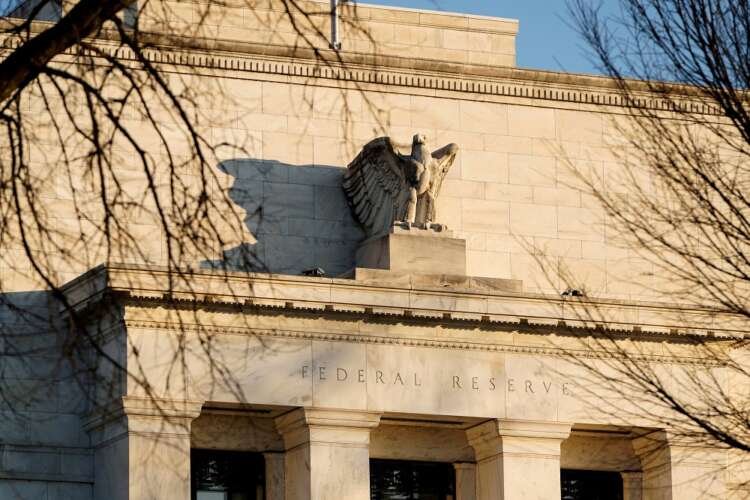
Published by Wanda Rich
Posted on June 1, 2022
2 min readLast updated: February 6, 2026
Add as preferred source on GoogleA look at the day ahead in markets from Sujata Rao.
A look at the day ahead in markets from Sujata Rao.
From Wednesday, the U.S Federal Reserve starts allowing the bonds it holds to mature, and will no longer replace them — so called quantitative tightening (QT). Its aim is to allow $95 billion to roll off its balance sheet per month but it will start June off at a more sedate $45 billion monthly pace.
The QT plans are well flagged yet, when the world’s biggest holder of Treasuries reduces its presence in the market, some nervousness is a given.
The European Central Bank, meanwhile, will scale back its net asset purchases to 20 billion euros for June.
And the Bank of Canada will deliver its second consecutive 50 basis-point interest rate rise. More such rate hikes are expected as policymakers focus squarely on inflation at nearly 7%.
Their trepidation can be understood. Hopes inflation might have peaked are being challenged by oil prices which have just seen six straight months of rises. Markets could tighten further as the European Union starts cutting oil imports from Russia.
The impact of soaring oil was evident in Tuesday data showing a dent in U.S. consumer confidence.
And figures on Wednesday showed British retailers raised prices at the fastest pace in over a decade last month, as food and energy costs bit. German retail sales plunged 5.4% (versus 0.2% forecast) in April, with consumers feeling the pinch from higher prices.
Earlier, data confirmed how much China’s recent lockdowns have snarled up global supply chains, with manufacturing activity slowing right across Asia.
While the lockdowns are now ending — as of Wednesday, Shanghai citizens can leave their homes and drive their cars — that could add more impetus to oil markets.
Still, it’s a new month. European markets are opening firmer and Wall Street is tipped for a firmer start.
Treasury yields are up across the curve after May saw them post their first monthly decline since November.
Key developments that should provide more direction to markets on Wednesday:
-ECB’s Lagarde, Villeroy de Galhau and Knot, PBOC’s Yi Gang speak at BIS event
-Final PMIs
-Euro zone PPI/employment
-St. Louis Fed President James Bullard speaks
-U.S. 30-year mortgage rate/ISM new orders/JOLTS job openings
-U.S. earnings: Gamestop, sprint
(Reporting by Sujata Rao; editing by)
Quantitative tightening is a monetary policy used by central banks to reduce the amount of money circulating in the economy by allowing bonds to mature without replacement.
Inflation is the rate at which the general level of prices for goods and services rises, eroding purchasing power.
Interest rates are the amount charged by lenders to borrowers for the use of money, typically expressed as a percentage of the principal.
A central bank is a national institution that manages a country's currency, money supply, and interest rates, aiming to maintain economic stability.
Financial markets are platforms where buyers and sellers engage in the trade of assets such as stocks, bonds, currencies, and derivatives.
Explore more articles in the Top Stories category











