
Top Stories
Lme Nickel Volumes Plunge With Exchange Still Hostage to March Trading Fiasco
Published by Jessica Weisman-Pitts
Posted on August 15, 2022
2 min readLast updated: February 4, 2026
Add as preferred source on Google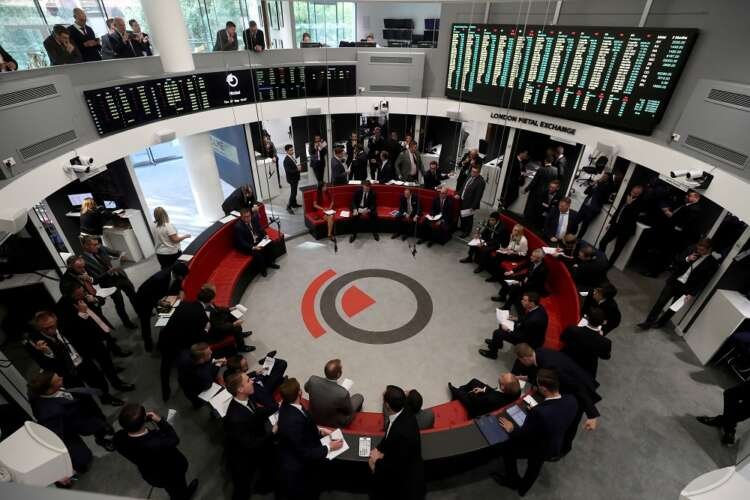
Published by Jessica Weisman-Pitts
Posted on August 15, 2022
2 min readLast updated: February 4, 2026
Add as preferred source on GoogleBy Pratima Desai
LONDON (Reuters) – The volume of nickel traded on the London Metal Exchange (LME) dropped more than 40% in July as funds, consumers and producers continued to shun the market – months after trade was suspended for more than a week in March as prices dramatically spiked.
Traders say many previous participants of the market worry they may be buffeted by price volatility again, while others believe the type of nickel traded on the LME is no longer representative of the global market.
The world’s oldest and biggest market for industrial metals cancelled billions of dollars in trades on March 8 after prices spiked by more than 50% in a matter of hours to a record above $100,000 a tonne.
Average daily LME traded nickel volumes fell to 34,962 lots or 209,772 tonnes in July, down nearly 42% from the same period last year. In January and February nickel volumes rose more than 22% and 23% respectively.
“Volumes are down generally (on metals markets) partly because of global slowdown, but nickel has an extra burden,” a metals trader at a natural resources fund said. “People are still nervous about trading it on the exchange.”
Sliding volumes and open interest — the number of outstanding contracts due to mature or be rolled over at the next settlement date — mean low liquidity, which can exaggerate price moves.
“We have low volumes and open interest and a market that is becoming more illiquid by the day,” a nickel trader said, adding that illiquidity had driven away some fund business.
The chaos in March and a sense that the LME contract no longer represents the nickel market have meant many consumers and producers are avoiding the exchange, traders say.
According to Macquarie analyst Jim Lennon, nickel that can be traded on the LME amounts to around 600,000 tonnes or 19% of global supplies at more than 3.1 million tonnes this year.
The remainder is nickel pig iron and ferro nickel used to make stainless steel. Nickel is also a key material for the batteries that power electric vehicles.
(Reporting by Pratima Desai; editing by Kirsten Donovan)
The London Metal Exchange (LME) is the world's largest market for trading industrial metals, including nickel, copper, and aluminum. It facilitates the buying and selling of metal contracts and helps establish global prices.
Market volatility refers to the degree of variation in trading prices over time. High volatility indicates significant price fluctuations, which can affect trading strategies and investor confidence.
Nickel trading involves the buying and selling of nickel contracts on exchanges like the LME. Nickel is a key material used in various industries, including stainless steel production and battery manufacturing.
Open interest is the total number of outstanding contracts that have not been settled in a particular market. It indicates market liquidity and the level of activity among traders.
Liquidity refers to how easily assets can be bought or sold in the market without affecting their price. High liquidity means assets can be quickly converted to cash, while low liquidity can lead to price volatility.
Explore more articles in the Top Stories category











