
Top Stories
Insurers Need to Do More to Prepare for Climate Change, BoE Says
Published by Wanda Rich
Posted on June 8, 2022
2 min readLast updated: February 6, 2026
Add as preferred source on Google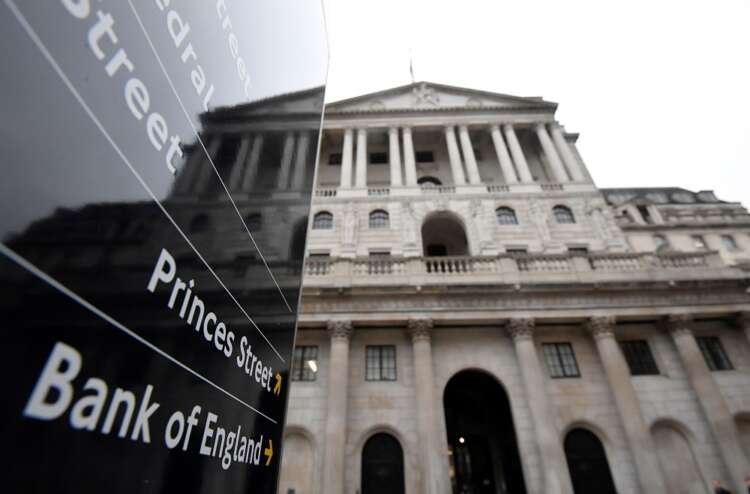
Published by Wanda Rich
Posted on June 8, 2022
2 min readLast updated: February 6, 2026
Add as preferred source on GoogleBy Carolyn Cohn and Huw Jones
LONDON (Reuters) -Insurers need to plug data gaps to be better prepared for the impact of climate change on their operations and further work may be needed on how much capital they should hold, the Bank of England (BoE) said on Wednesday.
The BoE has just published the outcome of its first climate-related stress test of leading insurers and banks, concluding they would be able to cope in general.
“Addressing data gaps for climate analysis is a priority if insurers are to deliver effective climate risk management, and to innovate and develop products to support the transition to a more climate-sustainable pathway,” Stefan Claus, BoE technical head of division, told the Association of British Insurers (ABI).
Another gap is that the capital framework does not adequately cover risks from climate and a conference on this issue is planned for the fourth quarter of this year, Claus said.
HSBC Asset Management’s head of responsible investments Stuart Kirk caused a media storm last month after he said central bank policymakers were exaggerating the financial risks of climate change, remarks which led to his suspension.
“Climate risk is a key challenge that we are dealing with and we will need to grapple with,” Claus said in answer to a question as to whether he agreed with the comments.
“This is an absolute necessity, that firms develop the capabilities to understand how to support the transition and to reduce and mitigate the potential downsides for primary risk.”
Nearly 90% of life insurers and more than half of general insurers in Britain are part of the United Nations’ “Race to Zero” campaign to cut carbon emissions, the ABI said in a statement on Wednesday, though it added more action was needed.
The trade body called on the government to provide “meaningful reform” of the Solvency II regime governing insurers’ capital to allow insurers to invest more in green infrastructure.
(Reporting by Huw Jones and Carolyn CohnEditing by Mark Potter)
Climate risk management refers to the strategies and practices that organizations implement to identify, assess, and mitigate the financial impacts of climate change on their operations.
The Solvency II regime is a regulatory framework for insurance companies in the European Union, aimed at ensuring they hold enough capital to meet their liabilities and protect policyholders.
The capital framework in insurance refers to the set of regulations and guidelines that determine the amount of capital insurers must hold to cover their risks and obligations.
The Race to Zero campaign is a global initiative aimed at mobilizing businesses, cities, and investors to commit to achieving net-zero carbon emissions by 2050.
Explore more articles in the Top Stories category











