Search
00
GBAF Logo
trophy
Top StoriesInterviewsBusinessFinanceBankingTechnologyInvestingTradingVideosAwardsMagazinesHeadlinesTrends

Subscribe to our newsletter

Get the latest news and updates from our team.

Global Banking & Finance Review®

Global Banking & Finance Review® - Subscribe to our newsletter

Company

    GBAF Logo
    • About Us
    • Profile
    • Privacy & Cookie Policy
    • Terms of Use
    • Contact Us
    • Advertising
    • Submit Post
    • Latest News
    • Research Reports
    • Press Release
    • Awards▾
      • About the Awards
      • Awards TimeTable
      • Submit Nominations
      • Testimonials
      • Media Room
      • Award Winners
      • FAQ
    • Magazines▾
      • Global Banking & Finance Review Magazine Issue 79
      • Global Banking & Finance Review Magazine Issue 78
      • Global Banking & Finance Review Magazine Issue 77
      • Global Banking & Finance Review Magazine Issue 76
      • Global Banking & Finance Review Magazine Issue 75
      • Global Banking & Finance Review Magazine Issue 73
      • Global Banking & Finance Review Magazine Issue 71
      • Global Banking & Finance Review Magazine Issue 70
      • Global Banking & Finance Review Magazine Issue 69
      • Global Banking & Finance Review Magazine Issue 66
    Top StoriesInterviewsBusinessFinanceBankingTechnologyInvestingTradingVideosAwardsMagazinesHeadlinesTrends

    Global Banking & Finance Review® is a leading financial portal and online magazine offering News, Analysis, Opinion, Reviews, Interviews & Videos from the world of Banking, Finance, Business, Trading, Technology, Investing, Brokerage, Foreign Exchange, Tax & Legal, Islamic Finance, Asset & Wealth Management.
    Copyright © 2010-2026 GBAF Publications Ltd - All Rights Reserved. | Sitemap | Tags | Developed By eCorpIT

    Editorial & Advertiser disclosure

    Global Banking & Finance Review® is an online platform offering news, analysis, and opinion on the latest trends, developments, and innovations in the banking and finance industry worldwide. The platform covers a diverse range of topics, including banking, insurance, investment, wealth management, fintech, and regulatory issues. The website publishes news, press releases, opinion and advertorials on various financial organizations, products and services which are commissioned from various Companies, Organizations, PR agencies, Bloggers etc. These commissioned articles are commercial in nature. This is not to be considered as financial advice and should be considered only for information purposes. It does not reflect the views or opinion of our website and is not to be considered an endorsement or a recommendation. We cannot guarantee the accuracy or applicability of any information provided with respect to your individual or personal circumstances. Please seek Professional advice from a qualified professional before making any financial decisions. We link to various third-party websites, affiliate sales networks, and to our advertising partners websites. When you view or click on certain links available on our articles, our partners may compensate us for displaying the content to you or make a purchase or fill a form. This will not incur any additional charges to you. To make things simpler for you to identity or distinguish advertised or sponsored articles or links, you may consider all articles or links hosted on our site as a commercial article placement. We will not be responsible for any loss you may suffer as a result of any omission or inaccuracy on the website.

    Home > Top Stories > In Germany, Syrians worry Afghan crisis could fuel anti-migrant vote
    Top Stories

    In Germany, Syrians worry Afghan crisis could fuel anti-migrant vote

    Published by Wanda Rich

    Posted on August 23, 2021

    8 min read

    Last updated: January 21, 2026

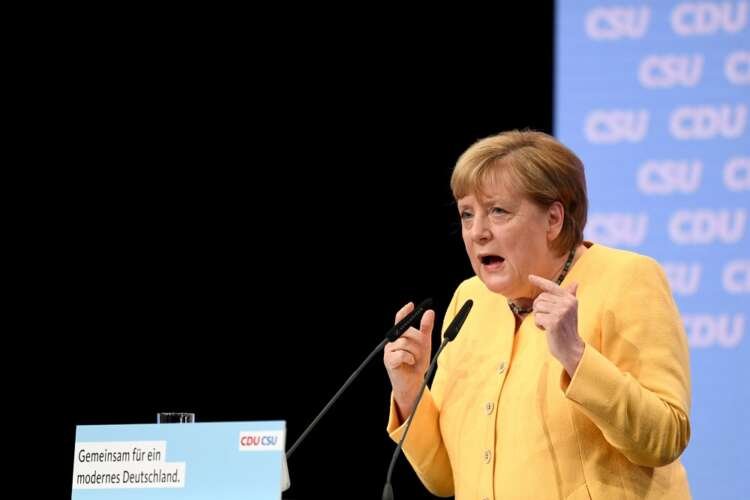
    An image depicting the anxiety of Syrian refugees in Germany regarding the Afghan migrant crisis and its potential impact on anti-immigrant sentiments ahead of the elections.
    Syrian asylum seeker expresses concerns about Afghan crisis impacting immigration in Germany - Global Banking & Finance Review
    Why waste money on news and opinion when you can access them for free?

    Take advantage of our newsletter subscription and stay informed on the go!

    Subscribe

    By Joseph Nasr

    BERLIN (Reuters) – With just five weeks to go before Germany holds an election that decides who succeeds Chancellor Angela Merkel, Syrians on asylum visas are concerned that an Afghan migrant crisis could fuel an anti-immigrant vote and block their path to citizenship.

    Some leaders of the far-right Alternative for Germany (AfD) party are warning about a possible influx of Afghan refugees, seeking to draw voters fearing a repeat of the 2015 migrant crisis when Merkel opened Germany’s borders to almost one million asylum seekers.

    The Taliban’s lightning takeover of Afghanistan has sparked a chaotic flight of thousands of Afghans and foreigners from Kabul airport this week, raising fears of a larger exodus across land borders as the Islamist militants impose sharia law.

    Germany’s scramble to evacuate thousands of local helpers from Afghanistan, along with its own citizens, has turned immigration into a big issue in the election: a poll last week showed that two thirds of Germans fear a repetition of 2015.

    Anas Modamani, among the close to 800,000 Syrians who fled the war back home and resettled in Germany, is still waiting to qualify for citizenship. Now he is afraid the Afghan crisis could harden German voters against immigration and prompt the next coalition government to adopt tougher policies.

    Modamani describes Merkel, with whom he posed for a selfie at a Berlin migrants shelter in September 2015, as a “hero” thanks to her decision that year to open Germany’s border to almost one million asylum seekers, mainly Syrians.

    “I’m worried about what immigration policies will come our way once she’s no longer chancellor,” said Modamani, 24, as Merkel prepares to step down after Germany’s Sept. 26 election.

    His picture with Merkel became a symbol of her decision in 2015 to gamble her political capital on welcoming 1 million unscreened migrants, mainly from Syria. But her conservative Christian Democrats now vow there can be no repeat of 2015.

    The far-right party has urged the government to institute a moratorium on asylum applications, hoping its tough line will draw voters fearing a spike in asylum applications.

    “I know that most Germans will not vote for the AfD,” said Modamani. “But a small part of me is like: what if the AfD are just a bit stronger and the next government responds by making it harder for us to apply for German citizenship, for example?”

    ‘THREAT’

    Karl Kopp, director of the Pro Asyl charity for asylum seekers, said concerns about a possible hardening of Germany’s immigration policy are widespread, not just among Syrians, but also the wider migrant community, especially Afghans desperate to bring in family members stuck in Afghanistan.

    “The tragic events in Afghanistan have resulted in a toxic discussion about immigration,” said Kopp. “When refugees hear the negative narrative that 2015 should not repeat itself, they worry about tougher immigration rules after the election. Their fears are justified.”

    More than 800,000 Syrians have been granted protection in Germany since war broke out in Syria a decade ago. The vast majority do not yet have German citizenship but hope to get it in the next few years when they meet residency criteria.

    Opinion polls put support for the AfD at 10% or slightly more, just below its result at the last election in 2017. The major parties have all ruled out sharing power with the AfD but migrants worry it could influence policy when Merkel goes.

    AfD co-leader Tino Chrupalla has rejected calls by the ecologist Greens to take in Afghan asylum seekers beyond those who helped the German army, saying such plans would constitute “a threat to the population.”

    Fawaz Tello, a Syrian dissident who is also waiting for citizenship, said: “If the AfD wins two or three points more, whoever succeeds Merkel could say ‘let’s suspend the right for refugees to bring immediate family members.’ Look at Denmark.”

    Many Syrians in Germany have been unsettled by neighbouring Denmark’s decision this year to deport Syrian asylum seekers to parts of Syria that the government of centre-left Prime Minister Mette Frederiksen considers safe.

    Five weeks before the election, Merkel’s conservatives have a razor-thin lead in polls. Their candidate to succeed her as chancellor, Armin Laschet, has seen his ratings slump since he was seen laughing on a visit to a flood-stricken town.

    Modamani, who should be entitled to German citizenship next year, said if he could vote in September he would cast a ballot for Laschet because of a sense of awe for Merkel. “I can’t imagine life in Germany without her,” he added.

    (Editing by Raissa Kasolowsky)

    By Joseph Nasr

    BERLIN (Reuters) – With just five weeks to go before Germany holds an election that decides who succeeds Chancellor Angela Merkel, Syrians on asylum visas are concerned that an Afghan migrant crisis could fuel an anti-immigrant vote and block their path to citizenship.

    Some leaders of the far-right Alternative for Germany (AfD) party are warning about a possible influx of Afghan refugees, seeking to draw voters fearing a repeat of the 2015 migrant crisis when Merkel opened Germany’s borders to almost one million asylum seekers.

    The Taliban’s lightning takeover of Afghanistan has sparked a chaotic flight of thousands of Afghans and foreigners from Kabul airport this week, raising fears of a larger exodus across land borders as the Islamist militants impose sharia law.

    Germany’s scramble to evacuate thousands of local helpers from Afghanistan, along with its own citizens, has turned immigration into a big issue in the election: a poll last week showed that two thirds of Germans fear a repetition of 2015.

    Anas Modamani, among the close to 800,000 Syrians who fled the war back home and resettled in Germany, is still waiting to qualify for citizenship. Now he is afraid the Afghan crisis could harden German voters against immigration and prompt the next coalition government to adopt tougher policies.

    Modamani describes Merkel, with whom he posed for a selfie at a Berlin migrants shelter in September 2015, as a “hero” thanks to her decision that year to open Germany’s border to almost one million asylum seekers, mainly Syrians.

    “I’m worried about what immigration policies will come our way once she’s no longer chancellor,” said Modamani, 24, as Merkel prepares to step down after Germany’s Sept. 26 election.

    His picture with Merkel became a symbol of her decision in 2015 to gamble her political capital on welcoming 1 million unscreened migrants, mainly from Syria. But her conservative Christian Democrats now vow there can be no repeat of 2015.

    The far-right party has urged the government to institute a moratorium on asylum applications, hoping its tough line will draw voters fearing a spike in asylum applications.

    “I know that most Germans will not vote for the AfD,” said Modamani. “But a small part of me is like: what if the AfD are just a bit stronger and the next government responds by making it harder for us to apply for German citizenship, for example?”

    ‘THREAT’

    Karl Kopp, director of the Pro Asyl charity for asylum seekers, said concerns about a possible hardening of Germany’s immigration policy are widespread, not just among Syrians, but also the wider migrant community, especially Afghans desperate to bring in family members stuck in Afghanistan.

    “The tragic events in Afghanistan have resulted in a toxic discussion about immigration,” said Kopp. “When refugees hear the negative narrative that 2015 should not repeat itself, they worry about tougher immigration rules after the election. Their fears are justified.”

    More than 800,000 Syrians have been granted protection in Germany since war broke out in Syria a decade ago. The vast majority do not yet have German citizenship but hope to get it in the next few years when they meet residency criteria.

    Opinion polls put support for the AfD at 10% or slightly more, just below its result at the last election in 2017. The major parties have all ruled out sharing power with the AfD but migrants worry it could influence policy when Merkel goes.

    AfD co-leader Tino Chrupalla has rejected calls by the ecologist Greens to take in Afghan asylum seekers beyond those who helped the German army, saying such plans would constitute “a threat to the population.”

    Fawaz Tello, a Syrian dissident who is also waiting for citizenship, said: “If the AfD wins two or three points more, whoever succeeds Merkel could say ‘let’s suspend the right for refugees to bring immediate family members.’ Look at Denmark.”

    Many Syrians in Germany have been unsettled by neighbouring Denmark’s decision this year to deport Syrian asylum seekers to parts of Syria that the government of centre-left Prime Minister Mette Frederiksen considers safe.

    Five weeks before the election, Merkel’s conservatives have a razor-thin lead in polls. Their candidate to succeed her as chancellor, Armin Laschet, has seen his ratings slump since he was seen laughing on a visit to a flood-stricken town.

    Modamani, who should be entitled to German citizenship next year, said if he could vote in September he would cast a ballot for Laschet because of a sense of awe for Merkel. “I can’t imagine life in Germany without her,” he added.

    (Editing by Raissa Kasolowsky)

    More from Top Stories

    Explore more articles in the Top Stories category

    Image for Lessons From the Ring and the Deal Table: How Boxing Shapes Steven Nigro’s Approach to Banking and Life
    Lessons From the Ring and the Deal Table: How Boxing Shapes Steven Nigro’s Approach to Banking and Life
    Image for Joe Kiani in 2025: Capital, Conviction, and a Focused Return to Innovation
    Joe Kiani in 2025: Capital, Conviction, and a Focused Return to Innovation
    Image for Marco Robinson – CLOSE THE DEAL AND SUDDENLY GROW RICH
    Marco Robinson – CLOSE THE DEAL AND SUDDENLY GROW RICH
    Image for Digital Tracing: Turning a regulatory obligation into a commercial advantage
    Digital Tracing: Turning a regulatory obligation into a commercial advantage
    Image for Exploring the Role of Blockchain and the Bitcoin Price Today in Education
    Exploring the Role of Blockchain and the Bitcoin Price Today in Education
    Image for Inside the World’s First Collection Industry Conglomerate: PCA Global’s Platform Strategy
    Inside the World’s First Collection Industry Conglomerate: PCA Global’s Platform Strategy
    Image for Chase Buchanan Private Wealth Management Highlights Key Autumn 2025 Budget Takeaways for Expats
    Chase Buchanan Private Wealth Management Highlights Key Autumn 2025 Budget Takeaways for Expats
    Image for PayLaju Strengthens Its Position as Malaysia’s Trusted Interest-Free Sharia-Compliant Loan Provider
    PayLaju Strengthens Its Position as Malaysia’s Trusted Interest-Free Sharia-Compliant Loan Provider
    Image for A Notable Update for Employee Health Benefits:
    A Notable Update for Employee Health Benefits:
    Image for Creating Equity Between Walls: How Mohak Chauhan is Using Engineering, Finance, and Community Vision to Reengineer Affordable Housing
    Creating Equity Between Walls: How Mohak Chauhan is Using Engineering, Finance, and Community Vision to Reengineer Affordable Housing
    Image for Upcoming Book on Real Estate Investing: Harvard Grace Capital Founder Stewart Heath’s Puts Lessons in Print
    Upcoming Book on Real Estate Investing: Harvard Grace Capital Founder Stewart Heath’s Puts Lessons in Print
    Image for ELECTIVA MARKS A LANDMARK FIRST YEAR WITH MAJOR SENIOR APPOINTMENTS AND EXPANSION MILESTONES
    ELECTIVA MARKS A LANDMARK FIRST YEAR WITH MAJOR SENIOR APPOINTMENTS AND EXPANSION MILESTONES
    View All Top Stories Posts
    Previous Top Stories PostAustralia pandemic panel backs reopening plans amid Delta surge
    Next Top Stories PostOil jumps 3% on weaker dollar after seven days of losses