
Top Stories
Illumina Loses Challenge Against EU Antitrust Probe Into Grail Deal
Published by Wanda Rich
Posted on July 13, 2022
2 min readLast updated: February 5, 2026
Add as preferred source on Google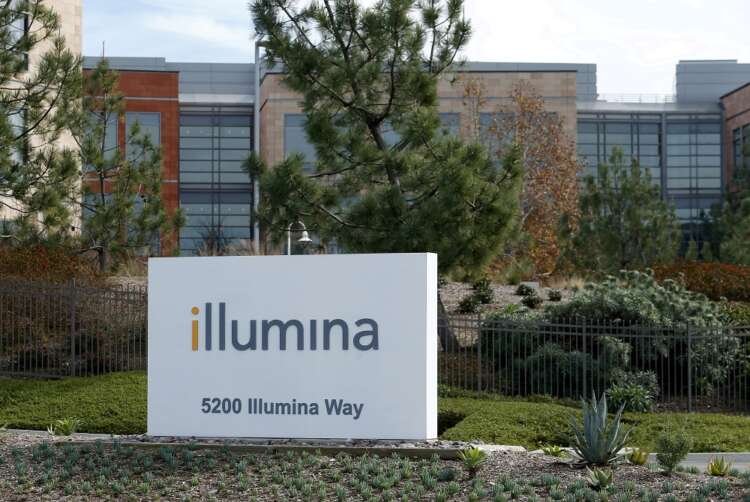
Published by Wanda Rich
Posted on July 13, 2022
2 min readLast updated: February 5, 2026
Add as preferred source on GoogleBy Foo Yun Chee
LUXEMBOURG (Reuters) -U.S. life sciences company Illumina on Wednesday lost its challenge against European Union scrutiny of its $8 billion cash-and-stock takeover of Grail, as a top European court agreed the EU antitrust watchdog had the right to do so.
The case is important for EU antitrust chief Margrethe Vestager who wants to expand the European Commission’s power to examine acquisitions of startups by big companies that could seek to shut nascent rivals, particularly in tech and pharmaceuticals deals.
Her critics see it as a power grab that has triggered alarm bells at some national competition agencies.
Illumina said it would appeal the ruling to the Court of Justice of the European Union, Europe’s highest.
“The Commission has the competence to examine that concentration which did not have a European dimension or fall within the scope of the national merger control rules of member states of the European Union or states party to the agreement on the European Economic Area,” the General Court said.
Judges rejected Illumina’s complaint that the EU competition enforcer’s action had up-ended legal certainty and legitimate expectations in the merger process.
They said the company had failed to show that it “received precise, unconditional and consistent assurances, originating from authorised, reliable sources, such as to lead him or her to entertain well-founded expectations”.
The Commission said it took up the Illumina case at the request of Belgium, France, Greece, Iceland, the Netherlands and Norway even though the deal did not require approval from these countries because Grail had no activities in Europe.
Illumina announced the deal in September 2020 that would give it access to Grail’s flagship Galleri blood test used to diagnose cancers at early stages when the disease is easier to treat.
It completed the acquisition in August 2021 without waiting for EU clearance and was subsequently told to keep Grail separate and to have independent managers run the company until regulators finalised their investigation in another procedure.
The case is T-227/21 Illumina v Commission.
(Additional reporting by Marine Strauss in Brussels; Editing by Edmund Blair)
Antitrust law refers to regulations that promote competition and prevent monopolies in the marketplace. It aims to protect consumers from unfair business practices and ensure a fair playing field for all companies.
A merger is a business combination where two companies join to form a single entity. Mergers can create synergies, enhance market share, and improve operational efficiencies.
The European Commission is the executive branch of the European Union responsible for proposing legislation, implementing decisions, and managing the day-to-day operations of the EU.
An acquisition occurs when one company purchases another company, gaining control over its assets and operations. This can be done through cash, stock, or a combination of both.
Legal certainty refers to the clarity and predictability of laws and regulations. It ensures that individuals and businesses can understand their rights and obligations under the law.
Explore more articles in the Top Stories category











