Technology
How VR Is Shaping the Future of Work
Published by linker 5
Posted on July 20, 2020
6 min readLast updated: January 21, 2026
Add as preferred source on Google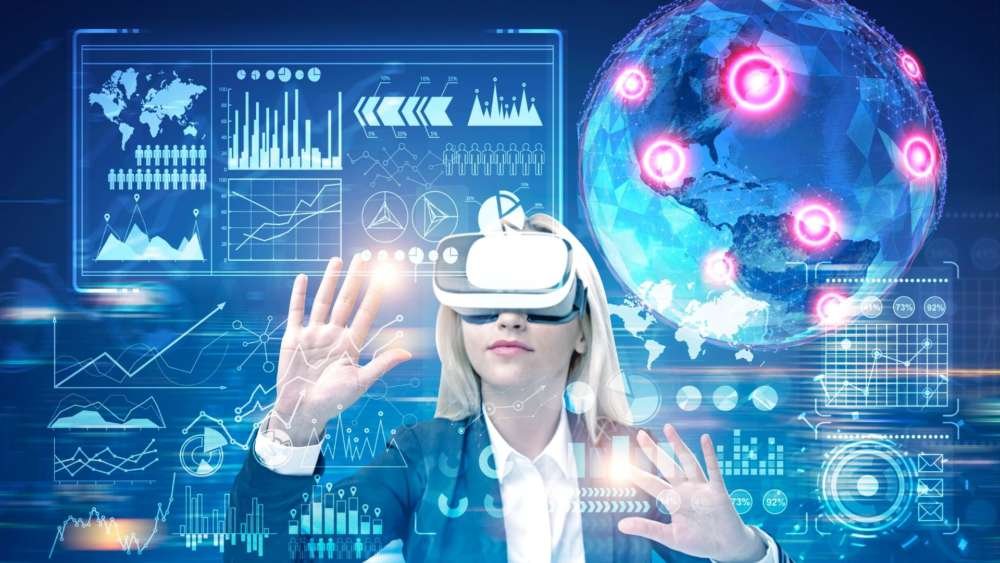
Published by linker 5
Posted on July 20, 2020
6 min readLast updated: January 21, 2026
Add as preferred source on GoogleBy Sharon Koifman, the founder and president of DistantJob, a boutique recruitment agency specializing in finding full-time remote employees.
Cast your mind back five or ten years, and you’ll remember how technology buffs were touting that the future was going to be virtual reality. We’d all soon be doing our best Tony Stark impressions as we moved holographic tools around with a simple gesture and bought driverless cars. However, the reality is that VR has been slow to take hold, particularly in the world of work. Now, it looks like that is about to change as VR comes into its own.
Progress in virtual reality has been slower than expected, and that’s mostly been down to technology issues. Headsets are a great example; while they’re very effective at creating an immersive VR experience, they’re not that comfortable to wear for long periods of time. There hasn’t yet been the uptake in VR that would drive better solutions, but we now have a record number of people working from home due to COVID-19. You can bet that companies will be willing to invest in technology that allows them to continue ‘business as usual’ in the event of another global pandemic or similar event.
Another factor to consider is access to the internet, and with the global rollout of 5G well underway, we can soon expect to be able to get access to high speed internet at any time no matter where we are in the world.
Working in VR is the natural next-step to remote working. It solves a lot of the perceived problems that distributed teams face, such as allowing for greater social interaction and collaboration between team members. It’s not that there aren’t already some great solutions to these problems, just that there is still a resistance to the idea that collaboration can be as easy when you’re not ‘in the same room’. VR gets around that feeling by making another person’s presence feel much more immediate.
That may be why many of the remote work tools currently available in VR focus on just that – bringing people together. At present these are usually virtual reality spaces that show participants in the form of avatars, usually just a floating head and hands to allow for expression. This type of platform includes:
Another criticism of remote work that VR has an answer to is the idea that remote workers are isolated. There are a number of social platforms that are suitable for professional use, ways to bring people together in VR to just ‘hang out’.
And of course, VR helps a distributed team to collaborate. It makes a shared whiteboard possible, it allows you all to sit around a table for a meeting and see who wants to speak next. VR is also a great venue for training; whether that’s a seminar in a virtual venue or carrying out simulated surgery. Apps like Engage allow you to record your virtual workshops to be delivered when you’re offline.
But it isn’t just the team environment that gets a boost from VR. Applications like Breakroom are ideal for the lone worker who really needs help with focus; something many people have highlighted as an issue in the last few weeks. While established remote workers will have their own tips and tricks for staying on task, stepping into a virtual work environment like Breakroom is definitely an answer to the problem. Secure in your headset, every app you have open is available with a turn of the head, keeping your focus on your work (as long as you don’t open a window for Candy Crush).
There’s no doubt that companies around the globe are looking for new ways to do business in the wake of the CoronaVirus; and with as many as 90% of staff wanting to work from home at least part time, they may have a fight on their hands when they start asking people to return to the office. Ensuring that your company has the right technology to support remote work seems like the natural next step.
Now many companies have trialled remote working, the benefits have become obvious to many. They include:
Once remote work becomes the new normal, the idea of hiring from anywhere in the globe becomes easier to imagine. After all, you’d have to be lucky to have the very best talent living in your corporate back-yard. That brings with it the added benefits of quicker hiring times, and improved diversity – which has a whole raft of advantages.
While we may look quite as cool as Tony Stark while we work in VR, it seems certain that we’ll be appearing there more often – and who says we can’t have an Arc Reactor on our Avatar?
This is a Sponsored Feature.
Explore more articles in the Technology category