Search
00
GBAF Logo
trophy
Top StoriesInterviewsBusinessFinanceBankingTechnologyInvestingTradingVideosAwardsMagazinesHeadlinesTrends

Subscribe to our newsletter

Get the latest news and updates from our team.

Global Banking and Finance Review

Global Banking & Finance Review

Company

    GBAF Logo
    • About Us
    • Profile
    • Privacy & Cookie Policy
    • Terms of Use
    • Contact Us
    • Advertising
    • Submit Post
    • Latest News
    • Research Reports
    • Press Release
    • Awards▾
      • About the Awards
      • Awards TimeTable
      • Submit Nominations
      • Testimonials
      • Media Room
      • Award Winners
      • FAQ
    • Magazines▾
      • Global Banking & Finance Review Magazine Issue 79
      • Global Banking & Finance Review Magazine Issue 78
      • Global Banking & Finance Review Magazine Issue 77
      • Global Banking & Finance Review Magazine Issue 76
      • Global Banking & Finance Review Magazine Issue 75
      • Global Banking & Finance Review Magazine Issue 73
      • Global Banking & Finance Review Magazine Issue 71
      • Global Banking & Finance Review Magazine Issue 70
      • Global Banking & Finance Review Magazine Issue 69
      • Global Banking & Finance Review Magazine Issue 66
    Top StoriesInterviewsBusinessFinanceBankingTechnologyInvestingTradingVideosAwardsMagazinesHeadlinesTrends

    Global Banking & Finance Review® is a leading financial portal and online magazine offering News, Analysis, Opinion, Reviews, Interviews & Videos from the world of Banking, Finance, Business, Trading, Technology, Investing, Brokerage, Foreign Exchange, Tax & Legal, Islamic Finance, Asset & Wealth Management.
    Copyright © 2010-2025 GBAF Publications Ltd - All Rights Reserved.

    Editorial & Advertiser disclosure

    Global Banking and Finance Review is an online platform offering news, analysis, and opinion on the latest trends, developments, and innovations in the banking and finance industry worldwide. The platform covers a diverse range of topics, including banking, insurance, investment, wealth management, fintech, and regulatory issues. The website publishes news, press releases, opinion and advertorials on various financial organizations, products and services which are commissioned from various Companies, Organizations, PR agencies, Bloggers etc. These commissioned articles are commercial in nature. This is not to be considered as financial advice and should be considered only for information purposes. It does not reflect the views or opinion of our website and is not to be considered an endorsement or a recommendation. We cannot guarantee the accuracy or applicability of any information provided with respect to your individual or personal circumstances. Please seek Professional advice from a qualified professional before making any financial decisions. We link to various third-party websites, affiliate sales networks, and to our advertising partners websites. When you view or click on certain links available on our articles, our partners may compensate us for displaying the content to you or make a purchase or fill a form. This will not incur any additional charges to you. To make things simpler for you to identity or distinguish advertised or sponsored articles or links, you may consider all articles or links hosted on our site as a commercial article placement. We will not be responsible for any loss you may suffer as a result of any omission or inaccuracy on the website.

    Home > Banking > Global stock benchmark at new high, dollar slips
    Banking

    Global stock benchmark at new high, dollar slips

    Global stock benchmark at new high, dollar slips

    Published by maria gbaf

    Posted on September 6, 2021

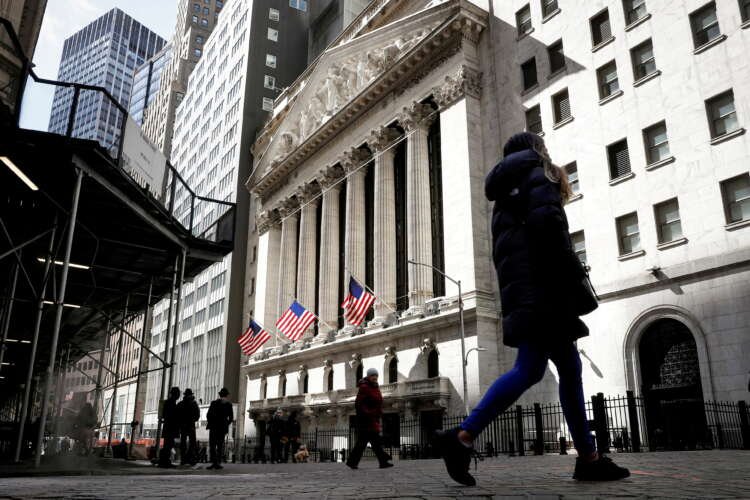
    Featured image for article about Banking

    By Herbert Lash

    NEW YORK (Reuters) -Big tech shares edged higher on Friday, helping a benchmark world stock index post a sixth consecutive closing high, after a weak U.S. jobs report likely pushed back the timetable for when the Federal Reserve reduces its massive support of the economy.

    Labor Department data that showed wages increasing more than expected in August raised inflation fears and led longer-dated Treasury yields to jump, while gold advanced to a more than a 2-1/2-month high as the dollar eased.

    MSCI’s all-country world index, which is heavily weighted to big U.S. tech, notched a new record as Apple Inc, Amazon.com Inc, Google parent Alphabet Inc and Facebook Inc advanced. The tech gains also helped the Nasdaq set a fresh closing high.

    The Dow Industrials and S&P 500 fell as slower U.S. jobs growth raised questions about the pace of the recovery. But a Fed taper announcement is off the table in September, said Lee Ferridge, North American head of multi-asset strategy at State Street Global Markets.

    “Support from the Fed for these markets is going to persist. Taper starts later rather than sooner. That’s positive for equities, that’s positive for risk,” he said.

    “As long as the Fed is printing, then that means that the equity markets are supported by the whole QE liquidity argument,” Ferridge said.

    U.S. employers created the fewest jobs in seven months in August as the Delta variant hurt the leisure and hospitality sector, but a 0.6% increase in wages showed underlying strength in the economy, the jobs report showed.

    Nonfarm payrolls increased by 235,000 in August, well short of the 728,000 forecast by economists in a Reuters poll. But the unemployment rate fell to 5.2% from 5.4% in July.

    MSCI’s ACWI, which is 60% U.S. equities, rose 0.11% to 746.46, while the Nasdaq gained 0.21%.

    The S&P 500 index edged 0.03% lower and the Dow Jones Industrials fell 0.2%. The broad STOXX Europe 600 index of pan-regional stocks closed down 0.56%.

    Euro zone business activity, meanwhile, remained strong last month, IHS Markit’s survey showed, suggesting the bloc’s economy could be back to pre-COVID-19 levels by year-end despite fears about the Delta variant.

    The European Central Bank meets next week amid callsfrom several hawkish members to slow its pandemic-era asset purchase program. A Reuters poll sees the bank announcing acut to its asset purchases, given a recent spike in inflation.

    Yields on the benchmark 10-year Treasury note rose 3 basis points to 1.324% as the U.S. labor report showed a jump in hourly earnings, a potential sign of future inflation.

    The dollar index dropped to a low of 91.941, its lowest level since Aug. 4, and was last down 0.09% at 92.1320.

    The euro traded flat at 1.1875. Markets are starting to react to the potential for more sustained euro zone inflation and reduced stimulus from the ECB-POLICY-RATES-82f6314e-6203-420b-bc8b-70a978546822>ECB-POLICY-SOURCES-e4bab80d-7aeb-4e49-a29a-ce14e1595c6d>ECB-POLICY-RATES-82f6314e-6203-420b-bc8b-70a978546822>ECB.

    The yen slid 0.19% to 109.72.

    JAPAN JUMPS, CHINA EASES

    Japanese shares jumped after officials said Prime Minister Yoshihide Suga would step down, setting the stage for a new premier after a one-year tenure marred by an unpopular COVID-19 response and rapidly dwindling public support.

    Japan’s TOPIX stock index rose to a 30-year high and was last up 1.61%, with the Nikkei gaining 2%. Asian shares are still off their peaks from earlier in the year however, and lagging those elsewhere.

    Meanwhile, Chinese blue chips were down 0.5% and Hong Kong was off 0.72% after activity in China’s services sector slumped into sharp contraction in August, a private survey showed on Friday, hurt by restrictions imposed to curb the Delta variant.

    Oil prices slipped on the U.S. labor report showing a patchy recovery from the pandemic, but losses were capped by concerns U.S. crude supply would continue to be limited in the wake of Hurricane Ida, which cut offshore U.S. production.

    Brent crude futures fell 42 cents to settle at $72.61 a barrel. U.S. crude slid 70 cents to settle at $69.29 a barrel.

    Gold advanced more than 1% to its highest in 2-1/2 months as weak U.S. jobs growth drove the dollar lower and cast doubts on the Fed’s tapering timeline.

    U.S. gold futures settled 1.2% higher at $1,833.70 an ounce.

    (Reporting by Herbert Lash in New York, additional reporting by Huw Jones in London, Alun John in Hong Kong and Kevin Buckland in Tokyo; Editing by Andrea Ricci and Rosalba O’Brien)

    By Herbert Lash

    NEW YORK (Reuters) -Big tech shares edged higher on Friday, helping a benchmark world stock index post a sixth consecutive closing high, after a weak U.S. jobs report likely pushed back the timetable for when the Federal Reserve reduces its massive support of the economy.

    Labor Department data that showed wages increasing more than expected in August raised inflation fears and led longer-dated Treasury yields to jump, while gold advanced to a more than a 2-1/2-month high as the dollar eased.

    MSCI’s all-country world index, which is heavily weighted to big U.S. tech, notched a new record as Apple Inc, Amazon.com Inc, Google parent Alphabet Inc and Facebook Inc advanced. The tech gains also helped the Nasdaq set a fresh closing high.

    The Dow Industrials and S&P 500 fell as slower U.S. jobs growth raised questions about the pace of the recovery. But a Fed taper announcement is off the table in September, said Lee Ferridge, North American head of multi-asset strategy at State Street Global Markets.

    “Support from the Fed for these markets is going to persist. Taper starts later rather than sooner. That’s positive for equities, that’s positive for risk,” he said.

    “As long as the Fed is printing, then that means that the equity markets are supported by the whole QE liquidity argument,” Ferridge said.

    U.S. employers created the fewest jobs in seven months in August as the Delta variant hurt the leisure and hospitality sector, but a 0.6% increase in wages showed underlying strength in the economy, the jobs report showed.

    Nonfarm payrolls increased by 235,000 in August, well short of the 728,000 forecast by economists in a Reuters poll. But the unemployment rate fell to 5.2% from 5.4% in July.

    MSCI’s ACWI, which is 60% U.S. equities, rose 0.11% to 746.46, while the Nasdaq gained 0.21%.

    The S&P 500 index edged 0.03% lower and the Dow Jones Industrials fell 0.2%. The broad STOXX Europe 600 index of pan-regional stocks closed down 0.56%.

    Euro zone business activity, meanwhile, remained strong last month, IHS Markit’s survey showed, suggesting the bloc’s economy could be back to pre-COVID-19 levels by year-end despite fears about the Delta variant.

    The European Central Bank meets next week amid callsfrom several hawkish members to slow its pandemic-era asset purchase program. A Reuters poll sees the bank announcing acut to its asset purchases, given a recent spike in inflation.

    Yields on the benchmark 10-year Treasury note rose 3 basis points to 1.324% as the U.S. labor report showed a jump in hourly earnings, a potential sign of future inflation.

    The dollar index dropped to a low of 91.941, its lowest level since Aug. 4, and was last down 0.09% at 92.1320.

    The euro traded flat at 1.1875. Markets are starting to react to the potential for more sustained euro zone inflation and reduced stimulus from the ECB-POLICY-RATES-82f6314e-6203-420b-bc8b-70a978546822>ECB-POLICY-SOURCES-e4bab80d-7aeb-4e49-a29a-ce14e1595c6d>ECB-POLICY-RATES-82f6314e-6203-420b-bc8b-70a978546822>ECB.

    The yen slid 0.19% to 109.72.

    JAPAN JUMPS, CHINA EASES

    Japanese shares jumped after officials said Prime Minister Yoshihide Suga would step down, setting the stage for a new premier after a one-year tenure marred by an unpopular COVID-19 response and rapidly dwindling public support.

    Japan’s TOPIX stock index rose to a 30-year high and was last up 1.61%, with the Nikkei gaining 2%. Asian shares are still off their peaks from earlier in the year however, and lagging those elsewhere.

    Meanwhile, Chinese blue chips were down 0.5% and Hong Kong was off 0.72% after activity in China’s services sector slumped into sharp contraction in August, a private survey showed on Friday, hurt by restrictions imposed to curb the Delta variant.

    Oil prices slipped on the U.S. labor report showing a patchy recovery from the pandemic, but losses were capped by concerns U.S. crude supply would continue to be limited in the wake of Hurricane Ida, which cut offshore U.S. production.

    Brent crude futures fell 42 cents to settle at $72.61 a barrel. U.S. crude slid 70 cents to settle at $69.29 a barrel.

    Gold advanced more than 1% to its highest in 2-1/2 months as weak U.S. jobs growth drove the dollar lower and cast doubts on the Fed’s tapering timeline.

    U.S. gold futures settled 1.2% higher at $1,833.70 an ounce.

    (Reporting by Herbert Lash in New York, additional reporting by Huw Jones in London, Alun John in Hong Kong and Kevin Buckland in Tokyo; Editing by Andrea Ricci and Rosalba O’Brien)

    Related Posts
    CIBC wins two Global Banking and Finance Awards for student banking
    CIBC wins two Global Banking and Finance Awards for student banking
    DeFi and banking are converging. Here’s what banks can do.
    DeFi and banking are converging. Here’s what banks can do.
    Are Neo Banks Offering Better Metal Debit Cards Than Traditional Banks?
    Are Neo Banks Offering Better Metal Debit Cards Than Traditional Banks?
    Banking at the Intersection: From Nashville to Cannes, A Strategic Call to Action
    Banking at the Intersection: From Nashville to Cannes, A Strategic Call to Action
    Driving Efficiency and Profit Through Customer-Centric Banking
    Driving Efficiency and Profit Through Customer-Centric Banking
    How Ecosystem Partnerships Are Redefining Deposit Products
    How Ecosystem Partnerships Are Redefining Deposit Products
    CIBC Private Banking wins four 2025 Global Banking & Finance Awards
    CIBC Private Banking wins four 2025 Global Banking & Finance Awards
    How Banks Can Put AI to Work Now and Prove ROI in 90 Days
    How Banks Can Put AI to Work Now and Prove ROI in 90 Days
    Top 5 AI quality assurance framework providers for Banks and Financial Services firms.
    Top 5 AI quality assurance framework providers for Banks and Financial Services firms.
    The Unbanked Paradox: How Banking Access Creates Economic Resilience
    The Unbanked Paradox: How Banking Access Creates Economic Resilience
    Hyper-Personalised Banking - Shaping the Future of Finance
    Hyper-Personalised Banking - Shaping the Future of Finance
    The End of Voice Trust: How AI Deepfakes Are Forcing Banks to Rethink Authentication
    The End of Voice Trust: How AI Deepfakes Are Forcing Banks to Rethink Authentication

    Why waste money on news and opinions when you can access them for free?

    Take advantage of our newsletter subscription and stay informed on the go!

    Subscribe

    Previous Banking PostZloty set to pace FX gains with rate hike back in sight- Reuters poll
    Next Banking PostWestern Union, MoneyGram resume services to Afghanistan

    More from Banking

    Explore more articles in the Banking category

    Predicting and Preventing Customer Churn in Retail Banking

    Predicting and Preventing Customer Churn in Retail Banking

    Growth and Impact: Banreservas Leads Dominican Republic Economic Expansion

    Growth and Impact: Banreservas Leads Dominican Republic Economic Expansion

    Turning Insight into Impact: Making AI and Analytics Work in Retail Banking

    Turning Insight into Impact: Making AI and Analytics Work in Retail Banking

    KeyBank Embraces Next-Generation AI Platform to Transform Fraud and Financial Crime Prevention

    KeyBank Embraces Next-Generation AI Platform to Transform Fraud and Financial Crime Prevention

    Understanding Association Banking: Financial Solutions for Community Success

    Understanding Association Banking: Financial Solutions for Community Success

    Applying Symbiosis for advantage in APAC banking

    Applying Symbiosis for advantage in APAC banking

    AmBank Islamic Berhad Earns Triple Recognition for Excellence in Islamic Banking

    AmBank Islamic Berhad Earns Triple Recognition for Excellence in Islamic Banking

    FinTok Strategy: How Banks Are Reaching Gen Z Through Social Media

    FinTok Strategy: How Banks Are Reaching Gen Z Through Social Media

    Rethinking Retail Banking Sustainability: Why the ATM is an Asset in the Sustainable Transition

    Rethinking Retail Banking Sustainability: Why the ATM is an Asset in the Sustainable Transition

    How private banks can survive the neo-broker revolution

    How private banks can survive the neo-broker revolution

    Next-Gen Bank Branches: The Evolution from Transaction Hubs to Experience Centers

    Next-Gen Bank Branches: The Evolution from Transaction Hubs to Experience Centers

    The Banking Talent Crunch: How Financial Institutions Are Competing for Digital-Native Skills

    The Banking Talent Crunch: How Financial Institutions Are Competing for Digital-Native Skills

    View All Banking Posts