
Top Stories
Germany to Lower Sales Tax on Gas to 7% in Bid to Relieve Consumers
Published by Wanda Rich
Posted on August 18, 2022
1 min readLast updated: February 4, 2026
Add as preferred source on Google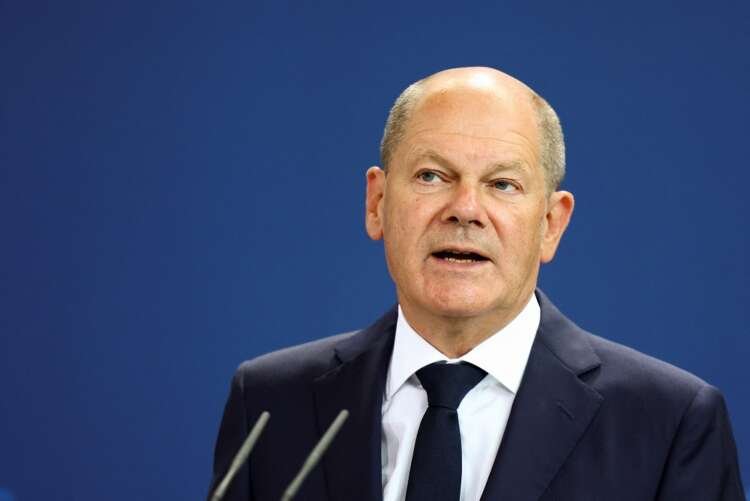
Published by Wanda Rich
Posted on August 18, 2022
1 min readLast updated: February 4, 2026
Add as preferred source on GoogleBERLIN (Reuters) – Germany will lower the sales tax on gas to 7% in an effort to cushion the blow of additional charges being placed on consumers to ensure energy companies can afford increasingly expensive supplies, said Chancellor Olaf Scholz on Thursday.
BERLIN (Reuters) – Germany will lower the sales tax on gas to 7% in an effort to cushion the blow of additional charges being placed on consumers to ensure energy companies can afford increasingly expensive supplies, said Chancellor Olaf Scholz on Thursday.
The reduced tax rate will apply as long as the levy is charged, meaning through March 2024, added Scholz.
Germany had been in talks with the European Commission this week to find another way to reduce the cost burden on consumers after the commission had said Germany’s bid for an exemption on value-added tax was not possible.
The measure comes after levies were announced this week that will tack on hundreds of euros to an average family’s energy bill.
The levies will be imposed from Oct. 1 in a bid to help Uniper – the country’s largest importer of Russian gas – and other importers cope with soaring prices.
(Writing by Miranda Murray, editing by Rachel More)
Value-added tax (VAT) is a type of indirect tax that is imposed at each stage of production or distribution based on the value added to the product or service. It is commonly used in many countries around the world.
Energy levies are additional charges imposed on consumers to help energy companies manage costs associated with sourcing and supplying energy. These levies can affect overall energy bills for households and businesses.
A consumer's energy bill is a statement detailing the amount charged for electricity or gas usage over a specific period. It typically includes charges for energy consumption, taxes, and any additional fees.
Explore more articles in the Top Stories category











