
Top Stories
G7 Ministers to Agree Coal Plants Shutdown by 2030-2035, UK Says
Published by Uma Rajagopal
Posted on April 29, 2024
1 min readLast updated: January 30, 2026
Add as preferred source on Google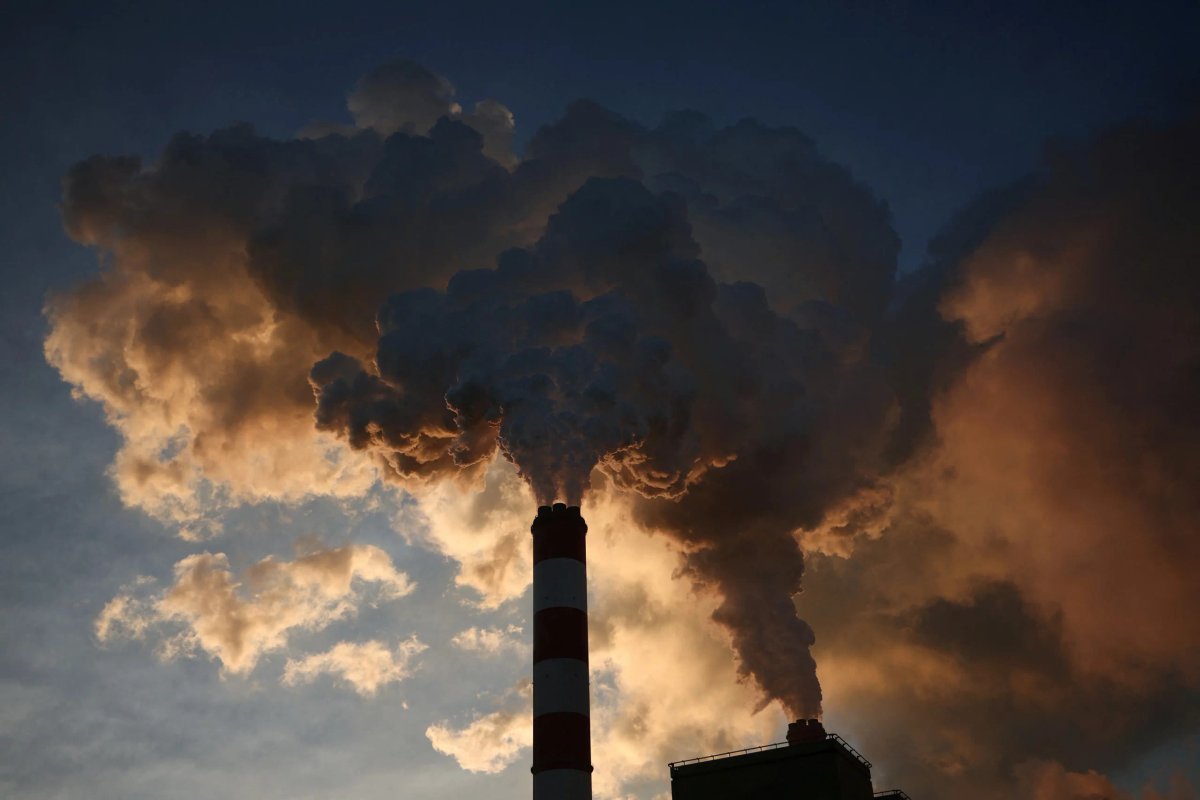
Published by Uma Rajagopal
Posted on April 29, 2024
1 min readLast updated: January 30, 2026
Add as preferred source on GoogleTURIN (Reuters) – Energy ministers from the Group of Seven (G7) wealthy countries have agreed to shut down coal-fired power plants by 2030-2035, Britain’s minister for Energy Security and Net Zero Andrew Bowie told Class CNBC on Monday.
TURIN (Reuters) – Energy ministers from the Group of Seven (G7) wealthy countries have agreed to shut down coal-fired power plants by 2030-2035, Britain’s minister for Energy Security and Net Zero Andrew Bowie told Class CNBC on Monday.
“It is an historic agreement,” Bowie told Class CNBC according a video posted on X by the broadcaster.
The deal is set to be formalised at the G7 energy ministers’ meeting in Turin taking place on Monday and Tuesday.
One source told Reuters earlier that diplomats from the G7 nations – Italy, the United States, Britain, France, Germany, Canada and Japan – discussed the issue until late on Sunday, before the start of the ministerial gathering.
The agreement marks a significant step in the direction indicated last year by the COP28 United Nations climate summit for a transition away from fossil fuels, among which coal is the most polluting.
(Reporting by Francesca Landini; Editing by Gavin Jones, Alvise Armellini and Jan Harvey)
Sustainability refers to meeting the needs of the present without compromising the ability of future generations to meet their own needs, often focusing on environmental stewardship, social equity, and economic viability.
Renewable energy is energy derived from natural processes that are replenished constantly, such as solar, wind, hydro, and geothermal energy, which help reduce reliance on fossil fuels.
Climate change refers to significant changes in global temperatures and weather patterns over time, primarily driven by human activities such as burning fossil fuels, deforestation, and industrial processes.
Explore more articles in the Top Stories category











