
Top Stories
French Finance Minister: Rising U.S. Bond Yields Show That ‘era of Cost-Free Money Is Over’
Published by Wanda Rich
Posted on June 14, 2022
2 min readLast updated: February 6, 2026
Add as preferred source on Google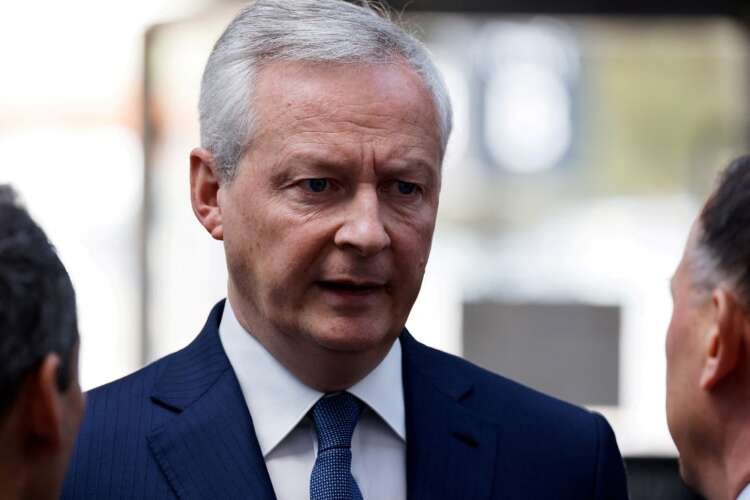
Published by Wanda Rich
Posted on June 14, 2022
2 min readLast updated: February 6, 2026
Add as preferred source on GooglePARIS (Reuters) – French Finance Minister Bruno Le Maire told France 2 television on Tuesday that the rise in U.S. bond yields showed that the “era of cost-free money” was over.
PARIS (Reuters) – French Finance Minister Bruno Le Maire told France 2 television on Tuesday that the rise in U.S. bond yields showed that the “era of cost-free money” was over.
Le Maire added it wold cost France several billion euros to pay back its debt to the market, which showed that importance of sticking to a “balanced and coherent” fiscal policy.
U.S. equities tumbled on Monday, with the S&P 500 confirming it is in a bear market, as fears grow that the expected aggressive interest rate hikes by the Federal Reserve would push the economy into a recession. [.N]
Last week, the European Central Bank (ECB) ended a long-running stimulus scheme and said it would deliver next month its first interest rate hike since 2011, followed by a potentially larger move in September.
The ECB, facing a euro zone inflation at a record-high of 8.1% and which is still rising, now fears that price growth is broadening out and could morph into a hard-to-break wage-price spiral, heralding a new era of stubbornly higher prices.
Data published last month showed the French economy unexpectedly shrank in the first quarter as consumers struggled to cope with surging inflation that reached a record-high rate of 5.8% over 12 months in May.
Nevertheless, Le Maire has said he expects France to have positive economic growth for 2022.
(Reporting by Tassilo Hummel; Editing by Sudip Kar-Gupta)
A bond yield is the return an investor can expect to earn if they hold the bond until maturity. It is often expressed as an annual percentage of the bond's face value.
Inflation is the rate at which the general level of prices for goods and services rises, eroding purchasing power. It is typically measured annually.
A bear market is a market condition characterized by a decline of 20% or more in investment prices, often caused by widespread pessimism and negative investor sentiment.
Monetary policy is the process by which a central bank manages the supply of money, often through interest rates, to achieve specific economic goals such as controlling inflation.
Explore more articles in the Top Stories category











