
Top Stories
EU Agrees on Stricter Rules to Combat Moneylaundering and Capture Cryptoassets
Published by Wanda Rich
Posted on January 18, 2024
2 min readLast updated: January 31, 2026
Add as preferred source on Google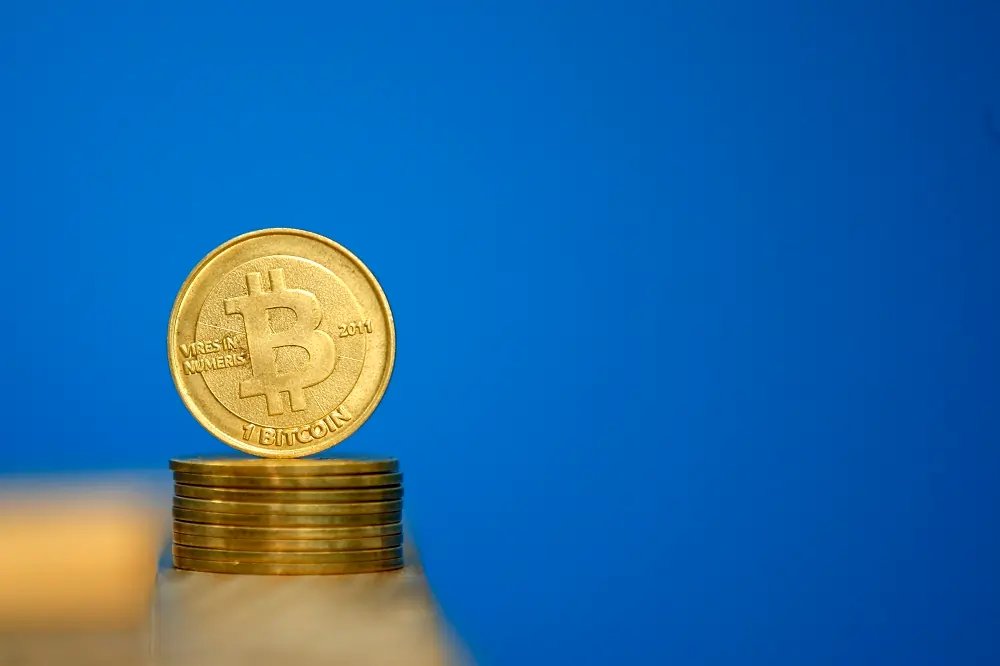
Published by Wanda Rich
Posted on January 18, 2024
2 min readLast updated: January 31, 2026
Add as preferred source on GoogleBy Huw Jones
LONDON (Reuters) – The European Union reached a provisional deal on Thursday to improve how national authorities work with each other to combat moneylaundering, including in the crypto sector.
Representatives of EU states and the European Parliament reached the deal in negotiations that concluded in the early hours of Thursday, aiming to end the current differing national approaches to fighting money laundering.
“This will ensure that fraudsters, organised crime and terrorists will have no space left for legitimising their proceeds through the financial system,” Vincent Van Peteghem, finance minister for Belgium, which holds the EU presidency, said in a statement.
The deal covers parts of an anti-money laundering package of measures that will create a new EU anti-money laundering authority.
Existing EU anti-money laundering rules will be expanded so that cryptoasset service providers must make checks on customers who carry out transactions worth 1,000 euros ($1,090.00) or more, and report suspicious activity. Cross-border cryptoasset firms must make additional checks.
Traders of luxury goods, such as precious metals, jewellers and goldsmiths, as well as sellers of luxury cars, airplanes and yachts will also have to make checks on customers.
Member states can also include professional football clubs and agents from 2029.
There will also be an EU-wide maximum limit of 10,000 euros for cash payments, making it harder for criminals to launder money, the statement said.
Firms under the scope of the new rules will have to identify and verify people who carry out occasional transactions in cash between 3,000 and 10,000 euros.
The new rules need a formal nod from EU states and full parliament before they become law.
($1 = 0.9174 euros)
(Reporting by Huw Jones; Editing by Michael Perry)
Anti-money laundering (AML) refers to laws and regulations aimed at preventing the process of making illegally obtained money appear legitimate.
Cryptoassets are digital assets that use cryptography for security and operate on blockchain technology, including cryptocurrencies like Bitcoin and Ethereum.
A cash payment limit is a regulatory cap on the amount of cash that can be used in transactions, aimed at reducing the risk of money laundering.
A suspicious activity report (SAR) is a document that financial institutions must file when they detect suspicious or potentially illegal activity.
The EU anti-money laundering authority will oversee and coordinate efforts among member states to combat money laundering and related financial crimes.
Explore more articles in the Top Stories category











