
Top Stories
ECB’s Hawks Call for More Rate Hikes Soon
Published by Jessica Weisman-Pitts
Posted on October 13, 2022
2 min readLast updated: February 3, 2026
Add as preferred source on Google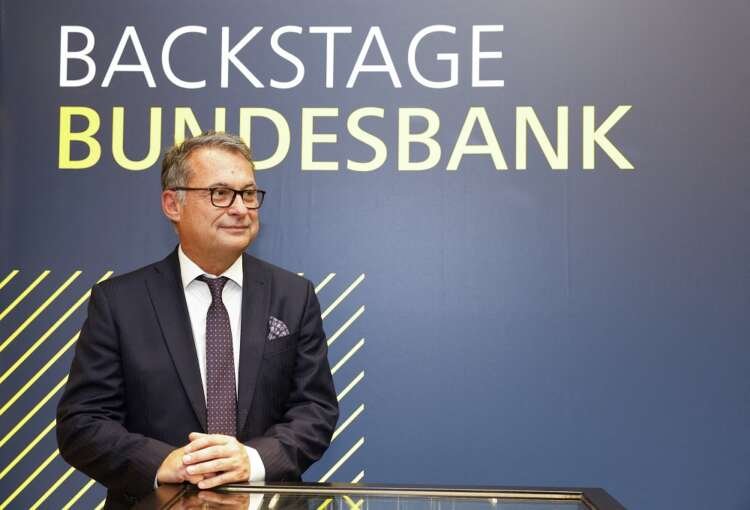
Published by Jessica Weisman-Pitts
Posted on October 13, 2022
2 min readLast updated: February 3, 2026
Add as preferred source on GoogleWASHINGTON (Reuters) -Two European Central Bank policy hawks called for more interest rate hikes on Thursday to fight runaway prices in the
WASHINGTON (Reuters) -Two European Central Bank policy hawks called for more interest rate hikes on Thursday to fight runaway prices in the euro zone.
The ECB has raised its rate on bank deposits twice, promised more hikes and begun a debate about unwinding its 3.3-trillion-euro ($3.20 trillion) bond purchases – the legacy of its fight against deflation in the last decade.
Bundesbank President Joachim Nagel and Belgium’s central bank governor Pierre Wunsch, two policymakers who typically favour higher rates, urged more hikes as soon as the ECB’s next meeting on Oct. 27.
“The data unequivocally points to a robust rate move,” Nagel said on the sidelines of the annual meetings of the International Monetary Fund and the World Bank.
The ECB raised its deposit rate from -0.5% to 0.75% in less than two months and is expected to raise it by another 0.50 or 0.75 percentage points on Oct. 27.
Belgium’s Wunsch earlier said he expected that rate to top 2% by the end of this year and maybe even exceed 3% “at some point”.
“My bet would be it’s going to be over 2%, and I would not be surprised if we have to go to above 3% at some point,” Wunsch told CNBC.
Financial markets currently price in a peak rate of just over 3%.
Nagel also said the normalisation of monetary policy was far from complete and the ECB should start letting its pile of bonds shrink next year.
This is a way of mopping up excess liquidity and driving up long-term borrowing costs. It has been gaining traction in recent days, with the central bank governors of France and the Netherlands both clamouring for it.
(Reporting By Andrea Shalal; Writing by Francesco Canepa in Frankfurt; Editing by Alex Richardson)
The European Central Bank (ECB) is the central bank for the euro and is responsible for monetary policy within the Eurozone, aiming to maintain price stability.
Interest rates are the cost of borrowing money, expressed as a percentage of the loan amount. They influence economic activity and inflation.
Monetary policy is the process by which a central bank manages the supply of money and interest rates to achieve specific economic objectives.
Inflation is the rate at which the general level of prices for goods and services rises, eroding purchasing power.
Financial markets are platforms where buyers and sellers engage in trading financial assets like stocks, bonds, currencies, and derivatives.
Explore more articles in the Top Stories category











