
Top Stories
Dollar Dips Ahead of Powell Speech
Published by Jessica Weisman-Pitts
Posted on August 26, 2022
2 min readLast updated: February 4, 2026
Add as preferred source on Google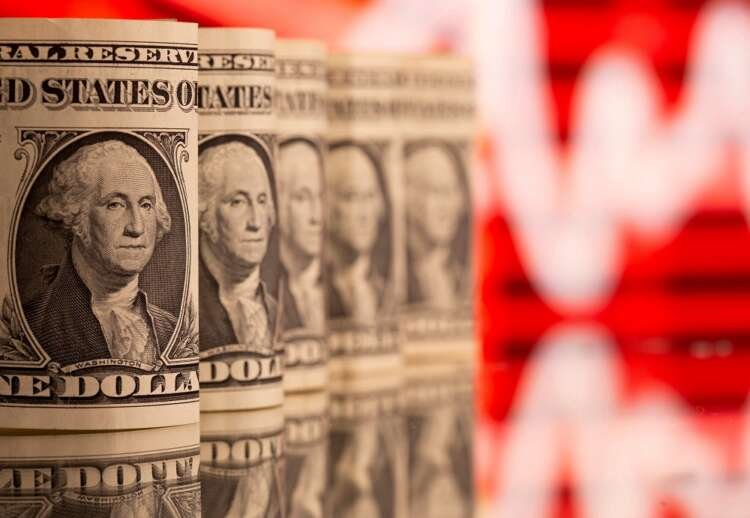
Published by Jessica Weisman-Pitts
Posted on August 26, 2022
2 min readLast updated: February 4, 2026
Add as preferred source on GoogleBy Iain Withers
LONDON (Reuters) – The dollar dipped against other major currencies on Friday, ahead of U.S. Federal Reserve Chair Jerome Powell’s widely-anticipated speech at the Jackson Hole symposium.
Traders are looking for clues on the U.S. central bank’s tightening plans to combat rampant inflation when Powell speaks at 1400 GMT.
The dollar index – which tracks the greenback against six major currencies – has steadily gained over the past two weeks and is just shy of the two-decade peak of 109.29 it hit in mid-July.
After making small gains earlier in the session, it slipped a quarter of a percent on the day to 108.210.
“(Powell) is likely to focus on the short-term challenges and endeavour to leave no doubt about the Fed’s determination in the fight against inflation,” Esther Reichelt, a forex analyst at Commerzbank, said in a note.
“If he succeeds convincingly, he could support the dollar, at least in the short term.”
Fed officials have been noncommittal about the potential size of interest rate increases in their addresses at the symposium so far, but have maintained that they will drive rates up to keep inflation at bay.
The Fed is due to get two more key inflation reports and more jobs data before its scheduled Sept. 20-21 meeting.
In Europe, soaring energy prices stemming from Russia’s invasion of Ukraine have dimmed economic prospects and weighed on the euro and sterling, pushing them both more than 10% lower against the dollar this year.
Sterling was flat on the day at $1.18410, after earlier losing as much as 0.5%, as British regulators confirmed consumer energy bills would rise 80% and warned of a “crisis” needing urgent government action.
The euro gained 0.4% to $1.00120, nudging back above parity against the dollar after spending much of this week below the psychologically important level.
The dollar gained 0.3% on the Japanese yen, last quoted at 136.905 yen per dollar.
(Reporting by Iain Withers, Additional reporting by Alun John in Hong Kong, Editing by Rashmi Aich, Kirsten Donovan)
The dollar index measures the value of the U.S. dollar against a basket of six major currencies, providing an indication of the dollar's strength in the foreign exchange market.
Inflation is the rate at which the general level of prices for goods and services rises, eroding purchasing power. Central banks often aim to control inflation through monetary policy.
A central bank is a national institution that manages a country's currency, money supply, and interest rates, often overseeing monetary policy to ensure economic stability.
Monetary policy refers to the actions taken by a central bank to control the money supply and interest rates to achieve macroeconomic objectives like controlling inflation and stabilizing currency.
Currency exchange is the process of converting one currency into another, often conducted through banks or exchange services, and is influenced by factors like interest rates and economic stability.
Explore more articles in the Top Stories category











