
Banking
Contactless Payment Rates Surge in the Uk: But What Comes Next?
Published by Jessica Weisman-Pitts
Posted on March 9, 2022
6 min readLast updated: February 8, 2026
Add as preferred source on Google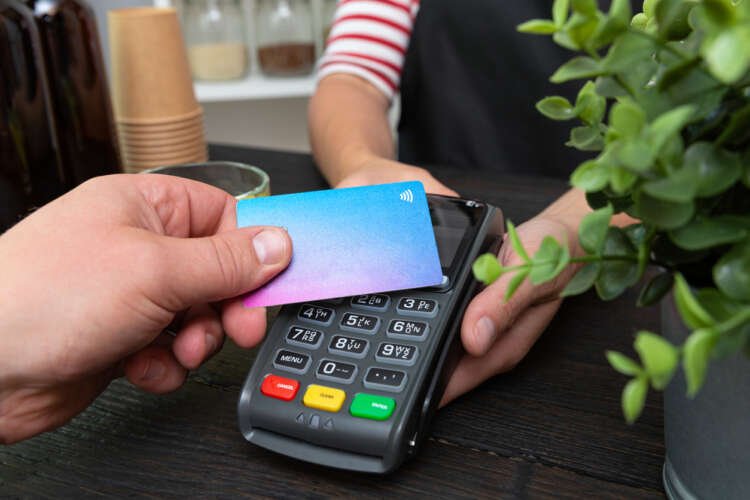
Published by Jessica Weisman-Pitts
Posted on March 9, 2022
6 min readLast updated: February 8, 2026
Add as preferred source on GoogleKriya Patel, CEO, Transact Payments Ltd
Contactless payments have changed the way that Britons pay for goods since their introduction in 2008. The technology has proved to be truly revolutionary, with an adoption rate that has outstripped just about any other payment innovation in our lifetimes. According to data from Barclaycard, 91.1% of all eligible card transactions in 2021 were made contactlessly which is an absolutely mind-boggling figure.
This is a phenomenal take-up rate for contactless. I was fortunate enough to work on one of early contactless card project rollouts with Mastercard in the UK in 2008. We were the issuer for a prepaid contactless card which allowed up to £10 in contactless transactions. I remember how fearful the compliance and finance teams were about the potential fraud rates! Thankfully these fears never materialised. Instead, the adoption rates rocketed. In all honesty, though, I don’t think any of the original project team thought we’d see 91% of all UK card transactions being contactless within the 13 years that have since passed.
Covid-19 accelerates contactless usage
There have, of course, been some unprecedented events that have undoubtedly driven this growth, especially in the last two years. Covid-19 has highlighted the unhygienic nature of cash notes and coins, as well as payment terminals that need to be touched to operate. Also, the upper payment limit was more than doubled in October 2021, from £45 to £100, meaning many more purchases became eligible for contactless.
The average UK contactless user made 180 contactless payments in 2021, which works out to roughly one purchase every other day. The overall value of these payments was just under £2,300, so on average each purchase was around £12.75. The convenience of being able to pay in this way has obviously captured the imagination of consumers. But innovation in payments continues apace, and now contactless has firmly established itself we need to look at what is coming next.
One thing that the Barclaycard data doesn’t tell us is how many of the contactless payments were made by mobile. Of course, not all payment cards are on the main mobile platforms — Apple Pay, Google Pay and Samsung Pay — just yet, and with a growing number of institutions now able to issue payment cards to their customers this is an area where will see a lot of activity in the coming months and years.
The inevitable growth of mobile wallets
Just as contactless payments swept Chip-and-PIN aside, mobile payments are likely to push contactless card payments into the minority in the very near future. An increasing number of consumers are leaving their wallets and purses at home and opting to use the mobile device to make payments instead. And why not? Our mobiles already perform so many tasks for us — booking transport, showing us how to get around and so on — that asking it to be our primary payment method doesn’t feel like a stretch. But it does mean that any card programme that doesn’t support mobile payments risks being left behind.
As far as consumers are concerned, the step from using a plastic payment card to using a mobile phone is simply a logical progression. What they probably aren’t aware of — but those of us in the industry are, and painfully so — is that it is not the easiest step for a financial services provider to make. But make it they must, or risk becoming outdated and underused.
The process of tokenisation has made it possible for financial institutions to get their cards ready for mobile wallets. It’s been happening since 2015, so isn’t exactly new, but the gap between the providers who are in the major mobile wallets and those that aren’t is getting wider all the time, and will ultimately reach a tipping point. So any institution that hasn’t got their cards into mobile wallets yet needs to think about their tokenisation strategy — and think fast.
Apple, Google and Samsung call the shots now
The approval process for the pay platforms is complex and organisations that take this route need to be prepared for the multi-conditioned requirements associated. At the end of the day Apple, Google and Samsung are calling the shots and have strict criteria in order to launch a service on their platform they need to be sure that they are dealing with partners who are well versed in understanding and meeting these requirements. These are all companies that manage their reputation very carefully, and they will need to see strong credentials and insist that applicants meet stiff criteria.
There is also the issue of fees to consider, and that isn’t the only cost tokenisation involves. A project to launch on a mobile wallet platform is likely to take several months, perhaps even a year, and will require significant internal resources. There will be testing runs required, and launch dates will be dictated by the pay platforms involved. Missing their deadlines could add a significant amount of time to the project too. There will also be marketing considerations: the platform will require a certain number of press releases to be issued, as well as a set number of social media posts.
While all of this sounds complex to those who haven’t yet made their way into the mobile wallet platforms, the risk of not doing so is very stark. Consumer expectations keep moving forward all of the time, and to not meet these expectations would be imprudent. Customers typically vote with their feet, and will quickly embrace competitors that offer greater flexibility and improved features.
The best way forward for organisations that realise the need for tokenisation but don’t have the time or resources to embark on such a project is to seek an experienced partner. They need to look for providers that have undertaken tokenisation projects in the past and have an existing relationship with the pay platforms. Such a provider can manage the project for them, ensure they hit deadlines and give them the best possible chance of executing their tokenisation strategy effectively and with minimal drain on resources.
Drawing on expertise from outside the organisation can often help fintech businesses get a clearer picture of the financial services landscape. And while this is invaluable in helping those that need to play catch-up, it can also get them thinking about the future. None of us have a crystal ball, but being on top of innovation in payments is vital for fintech organisations that want to succeed. The more insight they can gain into what these innovations will be, the better.
A mobile wallet is a digital application that allows users to store payment information and make transactions using their mobile devices, often via contactless technology.
Tokenization is a security process that replaces sensitive payment information with a unique identifier or token, reducing the risk of fraud during transactions.
Contactless payments offer convenience, speed, and enhanced hygiene by minimizing physical contact during transactions, making them increasingly popular among consumers.
Covid-19 has accelerated the adoption of contactless and digital payment methods as consumers seek safer, more hygienic ways to conduct transactions.
Explore more articles in the Banking category









