
Top Stories
Closing the Gap Between Offline and Online Grocery Retail
Published by linker 5
Posted on February 8, 2021
5 min readLast updated: January 21, 2026
Add as preferred source on Google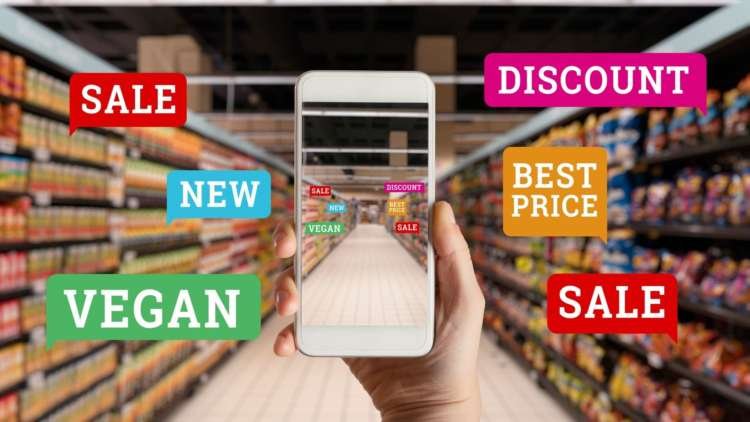
Published by linker 5
Posted on February 8, 2021
5 min readLast updated: January 21, 2026
Add as preferred source on GoogleBy Lee Jones, Managing Director Northern Europe, GSV at Ingenico, a Worldline brand
In our fast-paced, ever changing society, some of the key drivers to customer satisfaction are convenience, speed and efficiency. And when it comes to retail, the old model of online versus offline is no longer a relevant distinction.
Today’s connected consumers no longer accept being impeded by the limitations of any particular touchpoint, and as such they now shop for their groceries in an entirely different way. Now, they simply expect a smooth buying experience and don’t consider channels while shopping for products and services.
These changing behaviours have been accelerated by the COVID-19 pandemic. Throughout the pandemic, we saw a significant reduction in-store visits and an increase in spend, with more shoppers (88%) planning a list in advance. That’s according to research from Shopmium, which also suggests that these new habits are likely here to stay, with just 14% saying that they would revert back to how they shopped before.
In-store experiences are evolving
As we become used to the new normal, collectively adjusting to the conditions of the global pandemic and subsequent economic crisis, one change is overwhelmingly clear. Building a strategic plan and finding the resources to adapt remains one of the biggest challenges for businesses within grocery retail.
The impact of COVID-19 has meant some non-essential shop closures throughout the pandemic, however grocery stores have remained open throughout. Therefore, the in-store experience is still crucial to the industry. In the US, 40% of online shoppers are likely to continue buying groceries via online channels. That compares to more than three quarters (78%) who still prefer to visit a physical grocery store, whether that be to shop in store or complete curb side pickup.

Lee Jones
As competition in the grocery retail sector intensifies, the brick-and-mortar store continues to evolve by supporting an increasingly complex omnichannel experience, harmonising both the online and offline aspects of the customer journey. This is typically done by delivering location-based messaging to consumers while in store, integrating social media into in-store experiences or making relevant in-stock merchandise-related information available online.
When businesses are able to return to normal opening hours, we are likely to see shops equipping their sales staff with smart, flexible mobile devices. This will allow them to process orders anywhere in store while offering a range of payment methods, enabling retailers to reduce queue times – or eliminate the concept entirely – all while improving in-store mobility. Those stores that succeed in striking the balance between innovative devices and customer insight as part of a connected commerce approach will gain the all-important competitive advantage.
Capitalise on omnichannel technology
Staying relevant to today’s customers involves making a commitment to use technology that will encourage engaging, practical and rewarding experiences for the consumer. While buyers are switching channels and devices at their convenience, technology enables retailers to keep pace by removing points of friction and capitalising on the omnichannel opportunity.
Contactless payments are proliferating, along with near-field communication (NFC) beacons and other technologies driving customer engagement. Click-and-collect and other similar systems will further boost online sales while providing a secure and convenient experience for customers in a wealth of industries, from retail to quick service restaurants, and beyond.
The connected retail industry, including the grocery sub-sector, will become more agile and we will see a greater roll out of high-tech solutions and tokens. For example, Shop and Go, or automatic RFID-based no-wait scanning and payment can increase convenience and consumer options. Other emerging trends such as wearable technology will enable shoppers to pay without so much as needing to reach for their wallets or phones.
Driven by consumer demands to deliver an authentic, personalised and seamless shopping journey, ease of use and frictionless transactions have always defined the terms for omnichannel success. Businesses must continue to rise up to the challenge by ensuring the availability of convenient payment methods at checkout, while also implementing new capabilities in-store, online and through mobile. However, customer engagement through these channels individually is not enough, as they must communicate and be seamlessly integrated to create a true omnichannel approach.
Consumer demand will remain key to success
It is more important than ever for grocery retailers to get ahead of their game and develop a unified, comprehensive and customer-focused strategy that leverages in-store and online techniques.
In order to be able to address evolving customer demands, retailers must understand the purchasing journey of the connected consumer, as this will be the key differentiator between success and failure. Against this backdrop, selecting a single provider who is acquirer agnostic and has global expertise in payment technology, card acceptance and acquiring will bring invaluable benefits to merchants managing in-store and digital payments.
Not only implementing an omnichannel approach but having the right payment solutions to fully support it will enable merchants to manage all omnichannel use cases, reduce risk and fraud, increase conversion rates and enrich consumer-related insights. This will be critical to improving customer service and shoppers happy.
Explore more articles in the Top Stories category











