Search
00
GBAF Logo
trophy
Top StoriesInterviewsBusinessFinanceBankingTechnologyInvestingTradingVideosAwardsMagazinesHeadlinesTrends

Subscribe to our newsletter

Get the latest news and updates from our team.

Global Banking & Finance Review®

Global Banking & Finance Review® - Subscribe to our newsletter

Company

    GBAF Logo
    • About Us
    • Profile
    • Privacy & Cookie Policy
    • Terms of Use
    • Contact Us
    • Advertising
    • Submit Post
    • Latest News
    • Research Reports
    • Press Release
    • Awards▾
      • About the Awards
      • Awards TimeTable
      • Submit Nominations
      • Testimonials
      • Media Room
      • Award Winners
      • FAQ
    • Magazines▾
      • Global Banking & Finance Review Magazine Issue 79
      • Global Banking & Finance Review Magazine Issue 78
      • Global Banking & Finance Review Magazine Issue 77
      • Global Banking & Finance Review Magazine Issue 76
      • Global Banking & Finance Review Magazine Issue 75
      • Global Banking & Finance Review Magazine Issue 73
      • Global Banking & Finance Review Magazine Issue 71
      • Global Banking & Finance Review Magazine Issue 70
      • Global Banking & Finance Review Magazine Issue 69
      • Global Banking & Finance Review Magazine Issue 66
    Top StoriesInterviewsBusinessFinanceBankingTechnologyInvestingTradingVideosAwardsMagazinesHeadlinesTrends

    Global Banking & Finance Review® is a leading financial portal and online magazine offering News, Analysis, Opinion, Reviews, Interviews & Videos from the world of Banking, Finance, Business, Trading, Technology, Investing, Brokerage, Foreign Exchange, Tax & Legal, Islamic Finance, Asset & Wealth Management.
    Copyright © 2010-2026 GBAF Publications Ltd - All Rights Reserved. | Sitemap | Tags | Developed By eCorpIT

    Editorial & Advertiser disclosure

    Global Banking & Finance Review® is an online platform offering news, analysis, and opinion on the latest trends, developments, and innovations in the banking and finance industry worldwide. The platform covers a diverse range of topics, including banking, insurance, investment, wealth management, fintech, and regulatory issues. The website publishes news, press releases, opinion and advertorials on various financial organizations, products and services which are commissioned from various Companies, Organizations, PR agencies, Bloggers etc. These commissioned articles are commercial in nature. This is not to be considered as financial advice and should be considered only for information purposes. It does not reflect the views or opinion of our website and is not to be considered an endorsement or a recommendation. We cannot guarantee the accuracy or applicability of any information provided with respect to your individual or personal circumstances. Please seek Professional advice from a qualified professional before making any financial decisions. We link to various third-party websites, affiliate sales networks, and to our advertising partners websites. When you view or click on certain links available on our articles, our partners may compensate us for displaying the content to you or make a purchase or fill a form. This will not incur any additional charges to you. To make things simpler for you to identity or distinguish advertised or sponsored articles or links, you may consider all articles or links hosted on our site as a commercial article placement. We will not be responsible for any loss you may suffer as a result of any omission or inaccuracy on the website.

    Home > Banking > Can You Avoid Collecting Overdraft Fees?
    Banking

    Can You Avoid Collecting Overdraft Fees?

    Published by Jessica Weisman-Pitts

    Posted on December 15, 2022

    5 min read

    Last updated: February 2, 2026

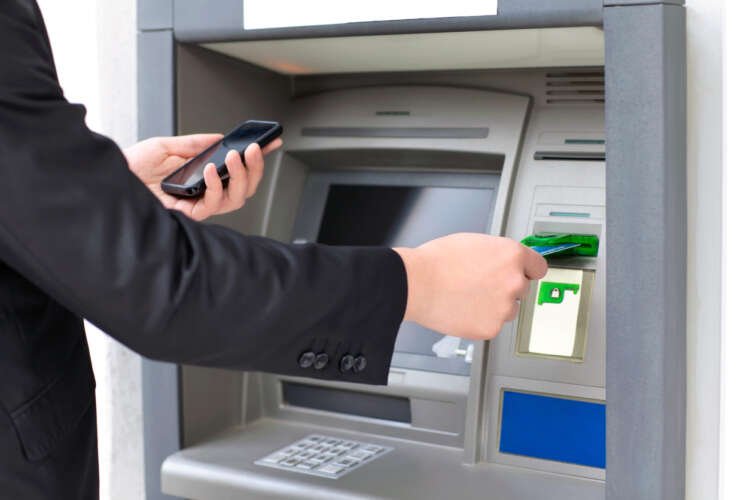
    A businessman is seen inserting his credit card into an ATM, illustrating the convenience of overdraft protection. This image relates to the article's focus on avoiding overdraft fees in banking.
    Businessman using ATM to withdraw cash, highlighting overdraft fees - Global Banking & Finance Review
    Why waste money on news and opinion when you can access them for free?

    Take advantage of our newsletter subscription and stay informed on the go!

    Subscribe

    Tags:financial management

    Quick Summary

    Banks across the country offer their users “overdraft protection” or “overdraft coverage.” If a transaction pushes an account’s balance into the negatives, the protection plan allows the transaction to go through. The bank covers the remainder of the transaction in the form of a loan. The users will...

    Table of Contents

    • Overdraft Fees
    • How to Avoid Overdraft Fees Right Away
    • Respond Early
    • Ask to Waive the Fee
    • How to Avoid Overdraft Fees in the Future
    • Opt Out of Overdraft Protection
    • Link Your Savings Account
    • How to Avoid Overdraft in General
    • Follow a Budget
    • Adjust Your Budget

    Banks across the country offer their users “overdraft protection” or “overdraft coverage.” If a transaction pushes an account’s balance into the negatives, the protection plan allows the transaction to go through. The bank covers the remainder of the transaction in the form of a loan. The users will then have to repay the “loan” to bring their balance out of the negatives.

    Overdraft protection is a convenient feature that allows users to complete their transactions, even when they technically can’t afford them. But it comes with a catch: overdraft fees.

    Overdraft Fees

    Banks typically charge users $25-$35 in overdraft fees. Brick-and-mortar banks often have higher overdraft fees than online-only banks. You should check your bank’s overdraft protection/coverage page to find out exactly how much you can expect to pay in fees.

    Overdraft fees can quickly stack up. Every time you make a transaction that puts your account into the negatives, your bank will charge you an overdraft fee. So, if you make several overdrawn transactions on the same day, you could accumulate fees for each one.

    Your bank can also charge additional overdraft fees when you take too long to repay them — this is often called an “extended overdraft fee.” Your overdraft protection plan will give you a set time to repay your overdraft fees, along with the funds you borrowed from the bank. Typically, you have 5 business days or 7 calendar days to do this. If you don’t make these payments on time, you will accumulate extended overdraft fees.

    Naturally, the more overdraft fees you collect, the harder it will be to bring your balance back into the black.

    How to Avoid Overdraft Fees Right Away

    Respond Early

    Your bank might offer a grace period after you go into overdraft. The grace period will give you a brief window of time before the institution charges you an overdraft fee. In this window, you could try to add enough funds into your checking account to bring it out of the “red” (when your balance is in the negatives). This would negate the need for an overdraft fee.

    Check your bank’s overdraft policy. It should provide information about grace periods regarding overdraft fees.

    Ask to Waive the Fee

    You can contact your bank or credit union to request that they refund your overdraft fee. If your overdraft is due to an extenuating circumstance, like an emergency expense or an automated bill payment that was higher than usual, let your provider know. It could influence their decision. They may waive the fee and refund you the amount.

    If it’s your first time making this request, you’re more likely to receive a positive response. If you have a habit of overdrawing your checking account, your provider is more likely to decline your request.

    How to Avoid Overdraft Fees in the Future

    Opt Out of Overdraft Protection

    You do not have to keep overdraft protection. You can opt out of the banking feature entirely. Doing this will save you from overdraft fee charges.

    Opting out of overdraft protection comes with its own risks. If you make a transaction that would push your balance into the negatives, it may not go through. The only exception might be if the transaction pushes your balance into the negatives by $5 or less.

    A canceled transaction could result in other financial problems. If you tried to pay a bill, that payment would not go through. This could potentially lead to a late penalty from the issuer. If you tried to pay a check, that check could bounce. This could lead to non-sufficient fund fees (NSF fees), merchant fees and late fees.

    You’ll have to weigh your options to see which risks you’re more comfortable facing.

    Link Your Savings Account

    Your bank might let you link your savings account to your checking account. In the case of an overdraft, your savings account would act as a safety net. Funds will be transferred from your savings account to prevent the checking account from going into overdraft, allowing the transaction to go through without incurring overdraft fees. This solution is only effective when you have enough funds in your savings account.

    Your bank may charge you a small fee to transfer these funds when you overdraw your account. Check with your bank to learn more about this option.

    How to Avoid Overdraft in General

    The best method to avoid overdraft fees is to avoid going into overdraft in the first place. And how can you do that?

    Follow a Budget

    If you’re not following a personal budget, you’re putting yourself at greater risk of overdraft. A personal budget will set clear boundaries on your monthly expenses so that they coincide with your available income. Abiding by these boundaries should prevent you from spending more than you can afford to pay.

    Start building your budget in a personal budgeting app on your smartphone or computer. Most modern budgeting apps will sync with a user’s financial accounts, including their bank accounts, credit cards and various outstanding loans. This feature could give you real-time updates about your checking account balance.

    Adjust Your Budget

    What if you already have a budget? Overdrawing your account is a sign that your budget isn’t working as intended. This doesn’t mean that you should toss out your budget. It simply means that your plan needs to be reviewed and adjusted.

    One of the best personal budgeting tips for beginners you should follow is to regularly review your budget. Ideally, you should review it monthly to confirm that it’s working as intended. If you spot any problem areas, you can rework the budget’s guidelines to make it more effective in the upcoming weeks.

    For instance, your old budget might match up with the rising inflation rates for essentials like food and gas. To accommodate these higher prices, you can reduce non-essential expenses like entertainment subscriptions and takeout orders.

    Frequently Asked Questions about Can You Avoid Collecting Overdraft Fees?

    1What is overdraft protection?

    Overdraft protection is a banking feature that allows transactions to go through even if your account balance is insufficient, covering the difference as a loan that must be repaid.

    2What are overdraft fees?

    Overdraft fees are charges imposed by banks when a transaction exceeds the available balance in an account, typically ranging from $25 to $35 per transaction.

    3What is a grace period in banking?

    A grace period is a short time frame after an overdraft occurs during which a bank does not charge an overdraft fee, allowing customers to deposit funds to cover the negative balance.

    4What is an extended overdraft fee?

    An extended overdraft fee is an additional charge that banks may impose if an overdraft is not repaid within a specified time, usually 5 business days.

    5What is a personal budget?

    A personal budget is a financial plan that outlines expected income and expenses over a specific period, helping individuals manage their finances and avoid overspending.

    More from Banking

    Explore more articles in the Banking category

    Image for Latin Securities Named Winner of Two Prestigious 2026 Global Banking & Finance Awards
    Latin Securities Named Winner of Two Prestigious 2026 Global Banking & Finance Awards
    Image for Pix at five years: how Brazil built one of the world’s most advanced public payments infrastructures - and why other countries are paying attention
    Pix at five years: how Brazil built one of the world’s most advanced public payments infrastructures - and why other countries are paying attention
    Image for Idle Stablecoins Are Becoming a Systemic Efficiency Problem — and Banks Should Pay Attention
    Idle Stablecoins Are Becoming a Systemic Efficiency Problem — and Banks Should Pay Attention
    Image for Banking Without Boundaries: A More Practical Approach to Global Banking
    Banking Without Boundaries: A More Practical Approach to Global Banking
    Image for Lessons From the Ring and the Deal Table: How Boxing Shapes Steven Nigro’s Approach to Banking and Life
    Lessons From the Ring and the Deal Table: How Boxing Shapes Steven Nigro’s Approach to Banking and Life
    Image for The Key to Unlocking ROI from GenAI
    The Key to Unlocking ROI from GenAI
    Image for The Changing Landscape of Small Business Lending: What Traditional Finance Models Miss
    The Changing Landscape of Small Business Lending: What Traditional Finance Models Miss
    Image for VestoFX.net Expands Education-Oriented Content as Focus on Risk Awareness Grows in CFD Trading
    VestoFX.net Expands Education-Oriented Content as Focus on Risk Awareness Grows in CFD Trading
    Image for The Hybrid Banking Model That Digital-Only Providers Cannot Match
    The Hybrid Banking Model That Digital-Only Providers Cannot Match
    Image for INTERPOLITAN MONEY ANNOUNCES RECORD GROWTH ACROSS 2025
    INTERPOLITAN MONEY ANNOUNCES RECORD GROWTH ACROSS 2025
    Image for Alter Bank Wins Two Prestigious Awards in the 2025 Global Banking & Finance Awards®
    Alter Bank Wins Two Prestigious Awards in the 2025 Global Banking & Finance Awards®
    Image for CIBC wins two Global Banking and Finance Awards for student banking
    CIBC wins two Global Banking and Finance Awards for student banking
    View All Banking Posts
    Previous Banking PostWhy banks must keep innovating through a recession
    Next Banking PostBecoming AI-first – How Banks Can Lead in the AI Revolution