
Top Stories
Britain Moves Ahead With Mandatory Climate Plans for Companies
Published by Wanda Rich
Posted on April 25, 2022
2 min readLast updated: February 7, 2026
Add as preferred source on Google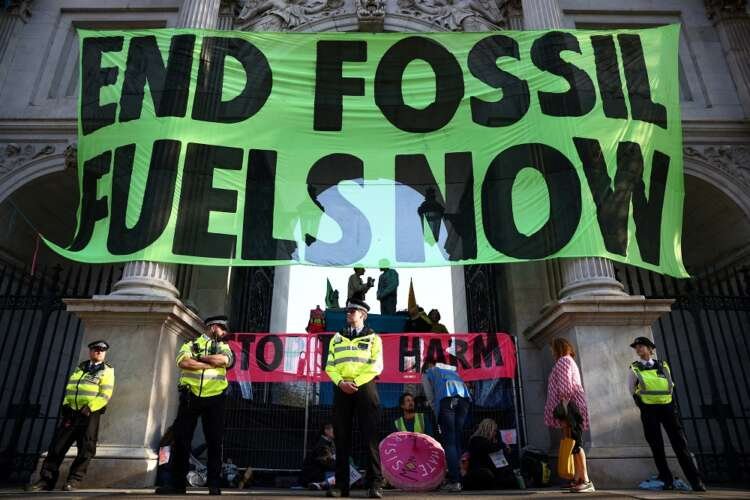
Published by Wanda Rich
Posted on April 25, 2022
2 min readLast updated: February 7, 2026
Add as preferred source on GoogleBy Huw Jones
LONDON (Reuters) – Britain unveiled a new taskforce on Monday to write rules forcing financial firms and listed companies to publish plans from next year for transitioning to a net zero economy by 2050.
Last November at the COP26 UN Climate Summit, British finance minister Rishi Sunak said companies would have to publish a plan from 2023 with targets to mitigate climate risk, interim goals between now and 2050 and measures to meet them.
It is part of Britain’s commitment to make the country the world’s first net-zero aligned financial centre.
The taskforce will develop “rigorous and robust” measures to tackle greenwashing – inflating green credentials – and help companies to establish “investable and accountable” transition plans, the finance ministry said in a statement on Monday.
“Preventing the worst impacts of climate change will take all businesses developing ambitious, consistent transition plans to get us to a low carbon future,” Amanda Blanc, CEO of insurer Aviva and co-chair of the new Transition Plan Taskforce, said.
British financial services minister John Glen, who co-chairs the taskforce with Blanc, said it would be for investors to judge if the firms’ plans were adequate and credible. The government would also publish its transition “pathway” for the financial sector later this year, he said.
Banks face pressure from campaigners to scrap funding for fossil fuel companies.
“The idea that we can turn off the taps in fossil fuels tomorrow is obviously ridiculous and naive,” Standard Chartered bank CEO Bill Winters told CityWeek.
“First of all it’s not going to happen, and secondly it would be very destructive. Good for climate change, but I am afraid it would be bad for wars, revolutions and human rights because you would have havoc,” Winters said.
Michael Sheren, a senior adviser to Bank of England, told CityWeek that a price for carbon needed to be wired into how much it would cost companies to transition to net zero.
Steve Waygood, chief responsible investment officer at Aviva Investors, added that valuations of companies would be inaccurate until this was done.
Valuations of companies would only be accurate once the price of carbon has been embedded in them and this required government action to mandate it, Waygood said.
(Reporting by Huw Jones; Editing by Elaine Hardcastle, Andrew Heavens and Alex Richardson)
A net zero economy is one where the total amount of greenhouse gases emitted is equal to the amount removed from the atmosphere, aiming to balance emissions and achieve climate neutrality.
Greenwashing is the practice of companies exaggerating or misleading consumers about the environmental benefits of their products or practices, often to appear more environmentally friendly than they are.
Transition plans are strategic frameworks that outline how organizations will shift towards sustainable practices, particularly in reducing carbon emissions and addressing climate-related risks.
Corporate governance refers to the systems and processes that direct and control a company, focusing on the relationships among stakeholders and the goals for which the corporation is governed.
Climate risk targets are specific goals set by organizations to mitigate the financial impacts of climate change, including reducing emissions and enhancing sustainability practices.
Explore more articles in the Top Stories category











