
Top Stories
BoE’s Haskel Says Rate Cuts Should Be ‘a Long Way Off’, Ft Reports
Published by Uma Rajagopal
Posted on March 28, 2024
2 min readLast updated: January 30, 2026
Add as preferred source on Google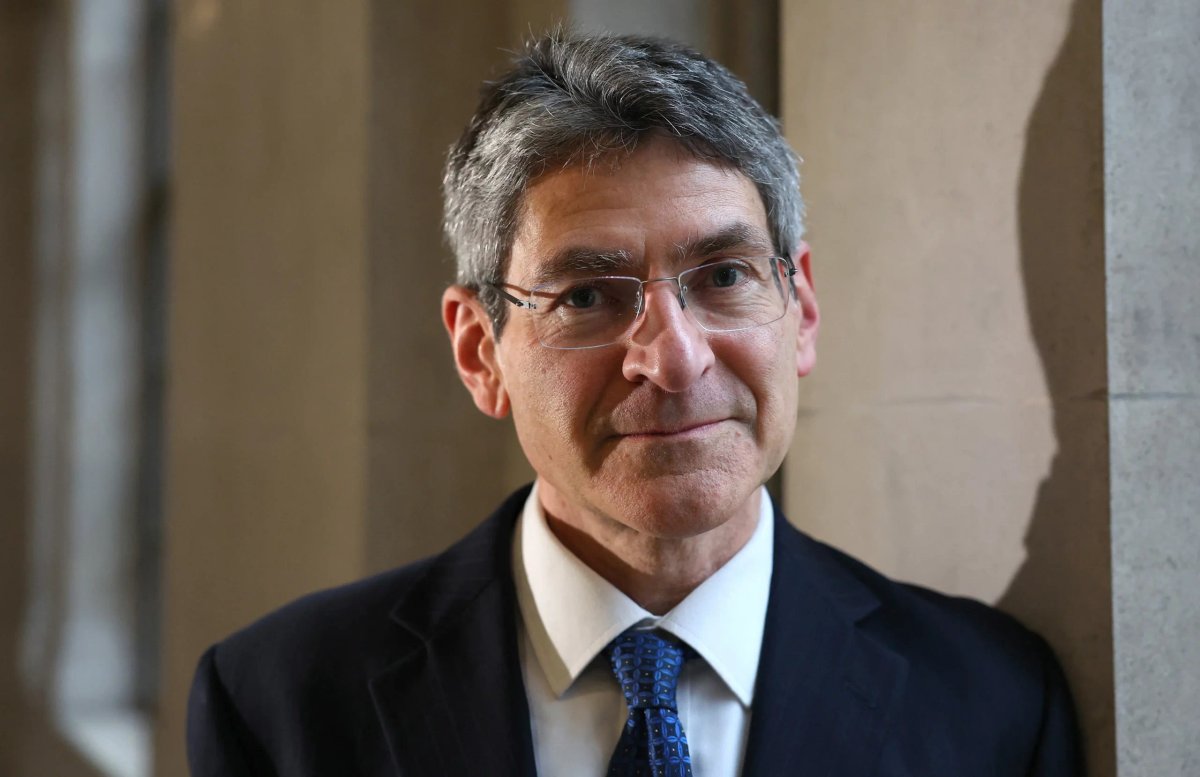
Published by Uma Rajagopal
Posted on March 28, 2024
2 min readLast updated: January 30, 2026
Add as preferred source on Google(Reuters) -Bank of England (BoE) interest-rate setter Jonathan Haskel said that rate cuts should be “a long way off,” the Financial Times reported on Thursday, a week after the policymaker ditched earlier calls for higher rates and voted to hold rates.
(Reuters) -Bank of England (BoE) interest-rate setter Jonathan Haskel said that rate cuts should be “a long way off,” the Financial Times reported on Thursday, a week after the policymaker ditched earlier calls for higher rates and voted to hold rates.
“Although the fall in headline inflation is very good news, it is not informative about what we really care about: what we really care about is the persistent and the underlying inflation” Haskel told the FT.
“I think cuts are a long way off.”
Governor Andrew Bailey said last week that Britain’s economy was moving towards the point where the Bank of England can start cutting interest rates, after the central bank kept its benchmark rate at 5.25%, its highest level since 2008.
Bailey had said there had been “further encouraging signs that inflation is coming down,” but he also said the BoE needed more certainty that price pressures were fully under control.
Haskel was joined by policymaker Catherine Mann in voting in favour of no change to rates from an earlier assessment to raise rates. Swati Dhingra again cast the lone vote for a cut.
Haskel told the FT that he was trying to find out what the underlying, persistent measures in inflation are.
“I just don’t think the headline figures give a good guide to the persistence.”
(Reporting by Harshita Meenaktshi in Bengaluru; Editing by Kim Coghill)
Inflation is the rate at which the general level of prices for goods and services rises, eroding purchasing power. Central banks attempt to limit inflation, and avoid deflation, to keep the economy running smoothly.
Monetary policy refers to the actions taken by a country's central bank to control the money supply and interest rates to achieve macroeconomic goals such as controlling inflation, consumption, growth, and liquidity.
The Bank of England is the central bank of the United Kingdom, responsible for issuing currency, managing monetary policy, and overseeing financial stability within the UK economy.
Interest rates are the amount charged by lenders to borrowers for the use of money, typically expressed as a percentage of the principal. They influence economic activity and inflation.
A central bank is a financial institution that manages a country's currency, money supply, and interest rates. It oversees the banking system and implements monetary policy.
Explore more articles in the Top Stories category











