
Top Stories
BoE’s Greene: Investors Have Missed ‘higher for Longer’ Message
Published by Wanda Rich
Posted on November 16, 2023
2 min readLast updated: January 31, 2026
Add as preferred source on Google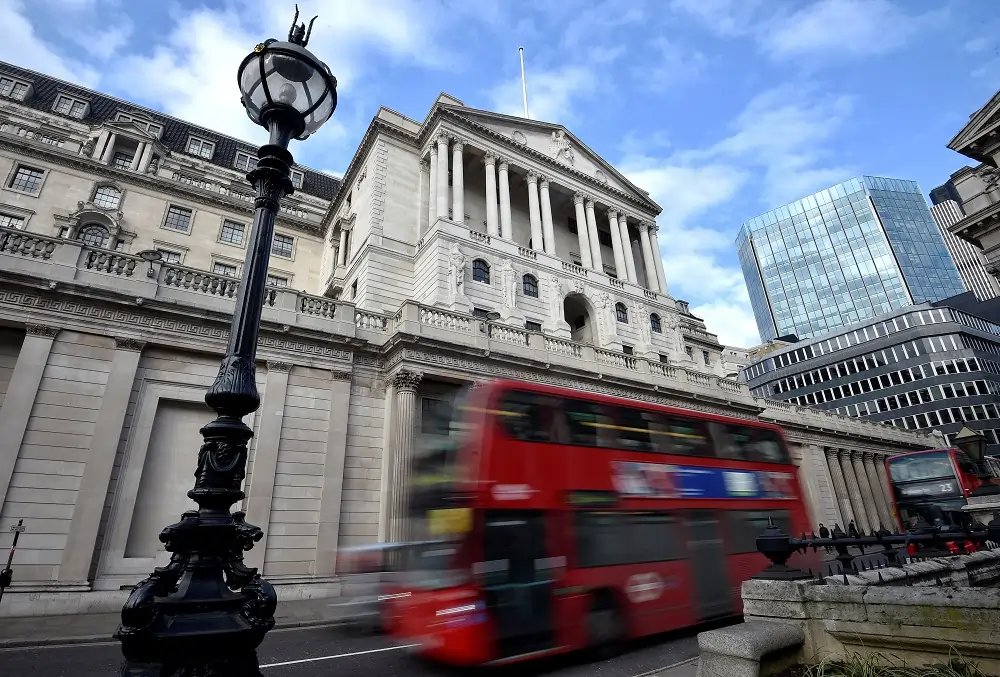
Published by Wanda Rich
Posted on November 16, 2023
2 min readLast updated: January 31, 2026
Add as preferred source on GoogleBy Andy Bruce and David Milliken
LONDON (Reuters) -Bank of England rate-setter Megan Greene said on Thursday that global investors had not fully caught on to the prospect that central bank interest rates may have to stay at restrictive levels for some time.
Greene, an external member of the BoE’s Monetary Policy Committee, said there had been structural changes in major economies over recent years that pointed to a need for higher interest rates.
“I think markets globally haven’t really clocked on to this, Greene told Bloomberg Television.
The U.S. economist is among the minority of rate-setters who voted to keep on raising interest rates at the last two meetings, when the majority opted to hold them.
How long interest rates need to stay restrictive in Britain would depend on the data, she said.
“There are reasons to think that the economy may be structurally a little bit different. That suggests we might need to stay restrictive for longer,” Greene said.
British financial markets show a 25 basis-point cut in Bank Rate is almost fully priced in by mid-2024, with two more likely to follow by the end of next year.
Greene said on Thursday that the BoE was not talking about cutting rates.
This week’s inflation and jobs data were “good news” from the central bank’s perspective, she said, citing cooling services inflation and weakening pay growth.
“I would put all of this in the category of good news, but I think there are still reasons to worry about the persistence of inflation in the UK,” Greene said.
Asked on how she might vote at next month’s policy announcement on Dec. 14, Greene said she would want to see the economic data due between now and then.
(Reporting by David Milliken, Writing by Andy Bruce)
Monetary policy refers to the actions taken by a country's central bank to control the money supply and interest rates to achieve macroeconomic objectives such as controlling inflation, consumption, growth, and liquidity.
Interest rates are the cost of borrowing money or the return on savings, expressed as a percentage of the principal amount. They are influenced by central bank policies and economic conditions.
Inflation is the rate at which the general level of prices for goods and services rises, eroding purchasing power. It is typically measured by the Consumer Price Index (CPI).
The Bank of England is the central bank of the United Kingdom, responsible for issuing currency, managing monetary policy, and ensuring financial stability.
Financial markets are platforms where buyers and sellers engage in trading financial assets such as stocks, bonds, currencies, and derivatives, facilitating capital flow and investment.
Explore more articles in the Top Stories category











