
Top Stories
BoE Will ‘act Forcefully’ to Stem Inflation, Says Britain’s Sunak
Published by Wanda Rich
Posted on June 22, 2022
2 min readLast updated: February 6, 2026
Add as preferred source on Google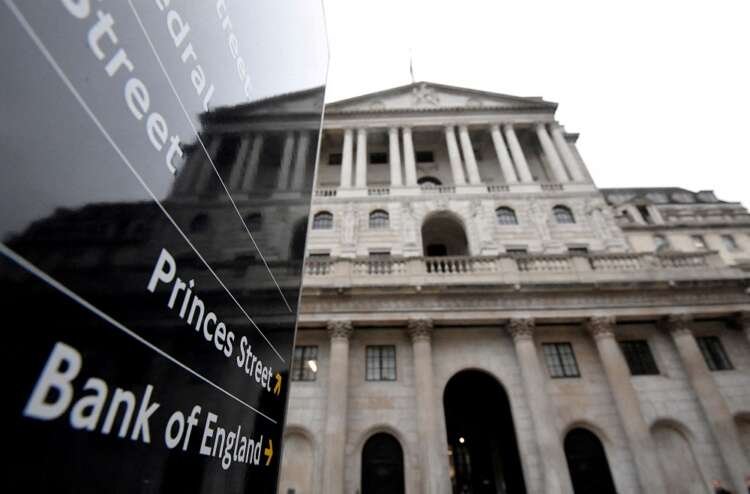
Published by Wanda Rich
Posted on June 22, 2022
2 min readLast updated: February 6, 2026
Add as preferred source on GoogleLONDON (Reuters) – The Bank of England will “act forcefully” to combat rising prices, British finance minister Rishi Sunak said on Wednesday, as data showed UK inflation had hit a new 40-year high of 9.1% in May.
LONDON (Reuters) – The Bank of England will “act forcefully” to combat rising prices, British finance minister Rishi Sunak said on Wednesday, as data showed UK inflation had hit a new 40-year high of 9.1% in May.
Sunak told reporters that Britain had “all the tools we need” to bring down inflation.
“Firstly, the Bank of England will act forcefully to combat inflation,” he said. “Secondly, the government will be responsible with borrowing and debt so we don’t make the situation worse and drive up people’s mortgage rates any more than they’re going to go up.
“And lastly, we’re improving the productivity of our economy, improving the supplies of energy we have and moving people off welfare into work.”
Sunak echoed language used by the Bank of England last week after it raised interest rates – although the central bank’s line was more conditional, saying it would “if necessary act forcefully”.
He defended a planned pension increase in line with inflation, amid criticism that the government was at the same time urging below-inflation increases for workers.
“The slight difference with pensions is pensions are not an input cost into the cost of producing goods and services we all consume so they don’t add to inflation in the same way,” he said.
He said public sector worker pay increases needed to be proportionate and balanced, in line with the need not to make inflation worse and remain affordable to the taxpayer.
(Reporting by Sachin Ravikumar; editing by William James and William James)
Inflation is the rate at which the general level of prices for goods and services rises, eroding purchasing power. It is typically measured by the Consumer Price Index (CPI) or the Producer Price Index (PPI).
Monetary policy refers to the actions taken by a country's central bank to control the money supply and interest rates to achieve macroeconomic objectives such as controlling inflation, consumption, growth, and liquidity.
Interest rates are the cost of borrowing money or the return on savings, expressed as a percentage of the principal. They are influenced by central bank policies and affect economic activity.
The Bank of England is the central bank of the United Kingdom, responsible for issuing currency, maintaining monetary stability, and overseeing the financial system.
Financial stability refers to a condition where the financial system operates effectively, with institutions able to manage risks and absorb shocks, ensuring the smooth functioning of the economy.
Explore more articles in the Top Stories category











