
Top Stories
BoE Is Not yet Done With Rate Hikes, Ramsden Says
Published by Wanda Rich
Posted on May 12, 2022
1 min readLast updated: February 7, 2026
Add as preferred source on Google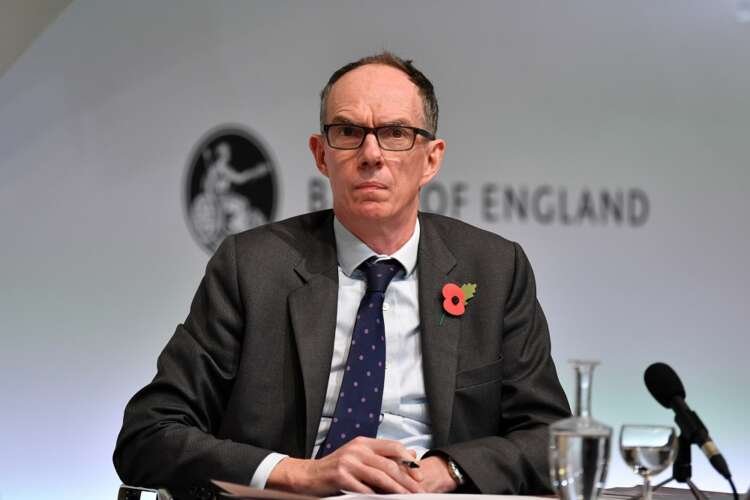
Published by Wanda Rich
Posted on May 12, 2022
1 min readLast updated: February 7, 2026
Add as preferred source on GoogleLONDON (Reuters) -The Bank of England will have to push borrowing costs higher to control fast-rising inflation and there are risks that inflation pressures from rising wages will prove stronger than the BoE thinks, Deputy Governor Dave Ramsden told Bloomberg News.
“I don’t think we’ve gone far enough yet on Bank Rate, but I do think that what we’ve already done is having an impact,” he said in an interview published on Thursday.
Last week the BoE raised Bank Rate to 1.0%, its highest since 2009, and said further increases “may still be appropriate in the coming months” as it forecast that inflation was likely to go above 10% later this year, possibly causing a recession.
“Given what we know about the UK labour market, I wouldn’t be surprised if it turned out to be a bit tighter,” Ramsden said. “I think there are upside risks on inflation (in) the medium term.”
He also said he assumed the BoE would handle the process of selling government bonds as it reverses its quantitative easing programme, not the Debt Management Office.
(Writing by William Schomberg, editing by David Milliken)
The Bank of England is the central bank of the United Kingdom, responsible for issuing currency, managing monetary policy, and ensuring financial stability.
Inflation is the rate at which the general level of prices for goods and services rises, eroding purchasing power.
The Bank Rate is the interest rate at which the central bank lends to commercial banks, influencing overall economic activity and inflation.
Quantitative easing is a monetary policy used by central banks to stimulate the economy by increasing the money supply through asset purchases.
Borrowing costs refer to the expenses incurred by individuals or businesses when they take out loans, primarily influenced by interest rates.
Explore more articles in the Top Stories category











