
Top Stories
Ben & Jerry’s Loses Bid to Halt Sales in West Bank
Published by Uma Rajagopal
Posted on August 23, 2022
2 min readLast updated: February 4, 2026
Add as preferred source on Google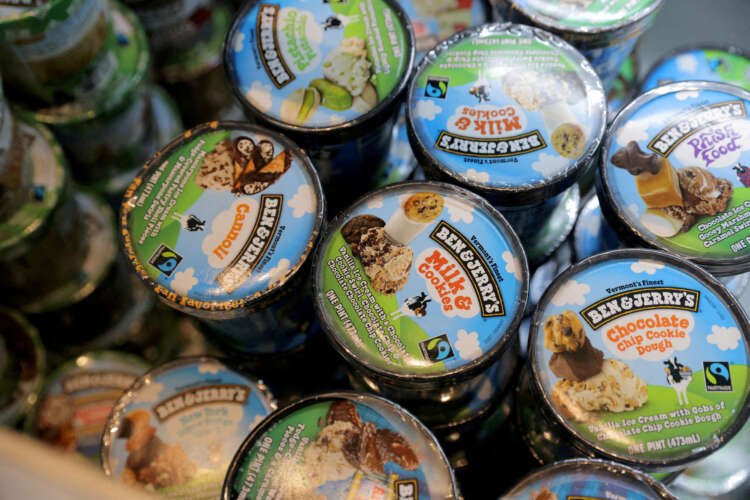
Published by Uma Rajagopal
Posted on August 23, 2022
2 min readLast updated: February 4, 2026
Add as preferred source on GoogleBy Jessica DiNapoli and Jonathan Stempel
NEW YORK (Reuters) -A U.S. judge on Monday rejected Ben & Jerry’s attempt to stop its parent Unilever Plc from allowing its ice cream to be sold in the Israeli-occupied West Bank, which Ben & Jerry’s said undermined its values.
U.S. District Judge Andrew Carter in Manhattan said Ben & Jerry’s did not deserve an injunction to halt ice cream sales and marketing because it did not show it would suffer irreparable harm, or that customers would be confused.
Ben & Jerry’s sued Unilever on July 5, saying the sale of its Israeli business to local licensee Avi Zinger violated the agreement under which Unilever bought the Burlington, Vermont-based company in 2000.
The sale came nearly a year after Ben & Jerry’s decided to end sales in Israeli-occupied Palestinian territories, saying it was “inconsistent” with the values and social mission it retained the right to promote.
Unilever countered that Ben & Jerry’s had no power to stop the sale of the Israeli business, and the sale could not be undone because it had closed in late June.
The unusual dispute has shone a spotlight on Unilever’s goal of giving its more than 400 brands social missions and purpose
Carter rejected as “too speculative” the idea that customers would be confused if Zinger offered new products conveying a message that might conflict with Ben & Jerry’s own.
“Ben & Jerry’s has offered no evidence of such confusion or the impact of the alleged confusion,” Carter wrote.
The judge noted that products sold in the West Bank would use Hebrew and Arabic trademarks, not English language trademarks.
Ben & Jerry’s and Unilever did not immediately respond to requests for comment.
Unilever’s brands also include Dove soap, Hellmann’s mayonnaise and Vaseline skin lotion.
(Reporting by Jessica DiNapoli and Jonathan Stempel in New York; Editing by David Gregorio)
Corporate governance refers to the systems and processes that direct and control a company. It encompasses the mechanisms through which companies, and their stakeholders, interact and make decisions.
A financial crisis is a situation in which the value of financial institutions or assets drops significantly. It often leads to a loss of confidence in the financial system, resulting in economic downturns.
Consumer perception is the way consumers view and interpret a brand or product based on their experiences, beliefs, and feelings. It plays a crucial role in influencing purchasing decisions.
Social responsibility is the idea that businesses should balance profit-making activities with activities that benefit society. It involves ethical practices and contributions to the community.
Explore more articles in the Top Stories category











