Search
00
GBAF Logo
trophy
Top StoriesInterviewsBusinessFinanceBankingTechnologyInvestingTradingVideosAwardsMagazinesHeadlinesTrends

Subscribe to our newsletter

Get the latest news and updates from our team.

Global Banking & Finance Review®

Global Banking & Finance Review® - Subscribe to our newsletter

Company

    GBAF Logo
    • About Us
    • Profile
    • Privacy & Cookie Policy
    • Terms of Use
    • Contact Us
    • Advertising
    • Submit Post
    • Latest News
    • Research Reports
    • Press Release
    • Awards▾
      • About the Awards
      • Awards TimeTable
      • Submit Nominations
      • Testimonials
      • Media Room
      • Award Winners
      • FAQ
    • Magazines▾
      • Global Banking & Finance Review Magazine Issue 79
      • Global Banking & Finance Review Magazine Issue 78
      • Global Banking & Finance Review Magazine Issue 77
      • Global Banking & Finance Review Magazine Issue 76
      • Global Banking & Finance Review Magazine Issue 75
      • Global Banking & Finance Review Magazine Issue 73
      • Global Banking & Finance Review Magazine Issue 71
      • Global Banking & Finance Review Magazine Issue 70
      • Global Banking & Finance Review Magazine Issue 69
      • Global Banking & Finance Review Magazine Issue 66
    Top StoriesInterviewsBusinessFinanceBankingTechnologyInvestingTradingVideosAwardsMagazinesHeadlinesTrends

    Global Banking & Finance Review® is a leading financial portal and online magazine offering News, Analysis, Opinion, Reviews, Interviews & Videos from the world of Banking, Finance, Business, Trading, Technology, Investing, Brokerage, Foreign Exchange, Tax & Legal, Islamic Finance, Asset & Wealth Management.
    Copyright © 2010-2026 GBAF Publications Ltd - All Rights Reserved. | Sitemap | Tags | Developed By eCorpIT

    Editorial & Advertiser disclosure

    Global Banking & Finance Review® is an online platform offering news, analysis, and opinion on the latest trends, developments, and innovations in the banking and finance industry worldwide. The platform covers a diverse range of topics, including banking, insurance, investment, wealth management, fintech, and regulatory issues. The website publishes news, press releases, opinion and advertorials on various financial organizations, products and services which are commissioned from various Companies, Organizations, PR agencies, Bloggers etc. These commissioned articles are commercial in nature. This is not to be considered as financial advice and should be considered only for information purposes. It does not reflect the views or opinion of our website and is not to be considered an endorsement or a recommendation. We cannot guarantee the accuracy or applicability of any information provided with respect to your individual or personal circumstances. Please seek Professional advice from a qualified professional before making any financial decisions. We link to various third-party websites, affiliate sales networks, and to our advertising partners websites. When you view or click on certain links available on our articles, our partners may compensate us for displaying the content to you or make a purchase or fill a form. This will not incur any additional charges to you. To make things simpler for you to identity or distinguish advertised or sponsored articles or links, you may consider all articles or links hosted on our site as a commercial article placement. We will not be responsible for any loss you may suffer as a result of any omission or inaccuracy on the website.

    Home > Banking > Bearish bets soften on Asian FX as U.S. dollar eases: Reuters poll
    Banking

    Bearish bets soften on Asian FX as U.S. dollar eases: Reuters poll

    Published by maria gbaf

    Posted on August 27, 2021

    6 min read

    Last updated: January 21, 2026

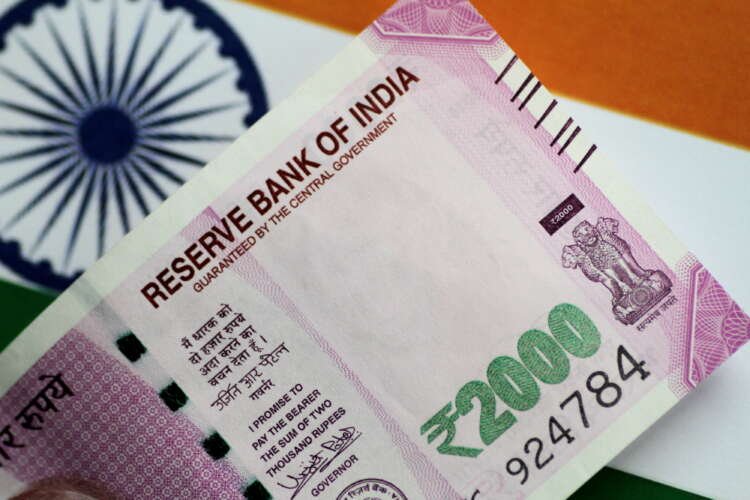
    This image illustrates the current trends in Asian currencies, reflecting investors' shifting sentiments as the U.S. dollar eases. It highlights the bullish outlook on the Indian rupee and reduced bearish bets on other currencies, aligning with the article's analysis of market dynamics.
    Investors analyze Asian currencies as U.S. dollar weakens - Global Banking & Finance Review
    Why waste money on news and opinion when you can access them for free?

    Take advantage of our newsletter subscription and stay informed on the go!

    Subscribe

    By Sameer Manekar

    (Reuters) – Investors trimmed bearish bets on most Asian currencies as the dollar weakened on hopes of a temporary pushback in the Federal Reserve’s tapering timeline, while sentiment on the Indian rupee turned marginally bullish, a Reuters poll showed on Thursday.

    Investors unwound their bearish bets on the Indian rupee to be slightly bullish for the first time since mid-June, with the currency appreciating 0.2% in August after vaccination programs were ramped up and the central bank continued its monetary policy support.

    Economic growth in India is expected to touch a record high in the June-quarter on the back of very weak base last year and a rebound in consumer spending, despite the drag from the deadly second virus wave, another Reuters poll showed.

    Elsewhere, short bets were largely trimmed on the Malaysian ringgit, the Philippine peso, and the Thai baht, the poll of 10 respondents on Asian currencies showed.

    The U.S. dollar has eased 0.4% over the last two weeks and has slipped from a 9-month high as positive economic data and easing worries about the impact of the Delta variant has kept the Fed away from dialling back its monetary stimulus. [USD/]

    Bearish bets on the Malaysian ringgit were at their lowest since mid-July, as the currency appreciated over 1% in the past two weeks after a new Prime Minister took an oath. It ended a brief period of political uncertainty that had rattled the markets.

    Short bets on the baht were at their lowest since July, even as the currency weakened more than 9% and is the worst-performing unit in the region so far this year.

    However, worries surrounding rising infections in the region have increased, with South Korea, India, and Thailand experiencing pressures on their vaccinations, and China witnessing new outbreaks recently.

    Meanwhile, investors slightly raised their short bets on the Chinese yuan in the last two weeks as the latest virus outbreak continues to pressure economic activity.

    South Korean won’s bearish bets ticked higher as the currency hit its lowest since September 2020 earlier this month, pressured by offloading of stocks by foreign investors and surging cases.

    On the Taiwanese dollar, investors turned bearish once again after being marginally bullish two weeks ago.

    The Reuters survey is focused on what analysts believe are the current market positions in nine Asian emerging market currencies: the Chinese yuan, South Korean won, Singapore dollar, Indonesian rupiah, Taiwan dollar, Indian rupee, Philippine peso, Malaysian ringgit and the Thai baht.

    The poll uses estimates of net long or short positions on a scale of minus 3 to plus 3.

    A score of plus 3 indicates the market is significantly long U.S. dollars. The figures included positions held through non-deliverable forwards (NDFs).

    The survey findings ASIAPOSN are provided below (positions in U.S. dollar versus each currency):

    DATE USD/CNY USD/KRW USD/SGD USD/IDR USD/TWD USD/INR USD/MYR USD/PHP USD/THB

    26/08 0.425 0.868 0.474 0.18 0.326 -0.08 1.1922 0.779 1.351

    12/08 0.32 0.69 0.77 0.2 -0.09 0.37 1.39 1.17 1.75

    29/07 0.27 0.78 0.71 0.27 0.36 0.29 1.4 1.21 1.49

    15/07 -0.15 0.27 0.53 0.23 0.13 0.68 1.06 1.06 1.56

    01/07 -0.29 -0.29 0.02 0.36 -0.19 0.5 0.49 -0.04 0.85

    17/06 -0.63 -0.36 -0.49 -0.5 -0.58 -0.21 -0.05 -0.31 0.2

    03/06 -1.34 -0.51 -0.55 -0.4 -0.44 -0.71 0.32 -0.66 0.37

    20/05 -0.33 0.43 0.37 -0.06 0.33 -0.03 0.26 -0.22 0.81

    06/05 -0.52 -0.39 -0.58 0.31 -0.59 0.86 -0.04 -0.35 0.5

    22/04 -0.17 -0.23 -0.44 0.56 -0.38 0.75 -0.03 -0.37 0.58

    (Reporting by Sameer Manekar in Bengaluru; editing by Uttaresh.V)

    By Sameer Manekar

    (Reuters) – Investors trimmed bearish bets on most Asian currencies as the dollar weakened on hopes of a temporary pushback in the Federal Reserve’s tapering timeline, while sentiment on the Indian rupee turned marginally bullish, a Reuters poll showed on Thursday.

    Investors unwound their bearish bets on the Indian rupee to be slightly bullish for the first time since mid-June, with the currency appreciating 0.2% in August after vaccination programs were ramped up and the central bank continued its monetary policy support.

    Economic growth in India is expected to touch a record high in the June-quarter on the back of very weak base last year and a rebound in consumer spending, despite the drag from the deadly second virus wave, another Reuters poll showed.

    Elsewhere, short bets were largely trimmed on the Malaysian ringgit, the Philippine peso, and the Thai baht, the poll of 10 respondents on Asian currencies showed.

    The U.S. dollar has eased 0.4% over the last two weeks and has slipped from a 9-month high as positive economic data and easing worries about the impact of the Delta variant has kept the Fed away from dialling back its monetary stimulus. [USD/]

    Bearish bets on the Malaysian ringgit were at their lowest since mid-July, as the currency appreciated over 1% in the past two weeks after a new Prime Minister took an oath. It ended a brief period of political uncertainty that had rattled the markets.

    Short bets on the baht were at their lowest since July, even as the currency weakened more than 9% and is the worst-performing unit in the region so far this year.

    However, worries surrounding rising infections in the region have increased, with South Korea, India, and Thailand experiencing pressures on their vaccinations, and China witnessing new outbreaks recently.

    Meanwhile, investors slightly raised their short bets on the Chinese yuan in the last two weeks as the latest virus outbreak continues to pressure economic activity.

    South Korean won’s bearish bets ticked higher as the currency hit its lowest since September 2020 earlier this month, pressured by offloading of stocks by foreign investors and surging cases.

    On the Taiwanese dollar, investors turned bearish once again after being marginally bullish two weeks ago.

    The Reuters survey is focused on what analysts believe are the current market positions in nine Asian emerging market currencies: the Chinese yuan, South Korean won, Singapore dollar, Indonesian rupiah, Taiwan dollar, Indian rupee, Philippine peso, Malaysian ringgit and the Thai baht.

    The poll uses estimates of net long or short positions on a scale of minus 3 to plus 3.

    A score of plus 3 indicates the market is significantly long U.S. dollars. The figures included positions held through non-deliverable forwards (NDFs).

    The survey findings ASIAPOSN are provided below (positions in U.S. dollar versus each currency):

    DATE USD/CNY USD/KRW USD/SGD USD/IDR USD/TWD USD/INR USD/MYR USD/PHP USD/THB

    26/08 0.425 0.868 0.474 0.18 0.326 -0.08 1.1922 0.779 1.351

    12/08 0.32 0.69 0.77 0.2 -0.09 0.37 1.39 1.17 1.75

    29/07 0.27 0.78 0.71 0.27 0.36 0.29 1.4 1.21 1.49

    15/07 -0.15 0.27 0.53 0.23 0.13 0.68 1.06 1.06 1.56

    01/07 -0.29 -0.29 0.02 0.36 -0.19 0.5 0.49 -0.04 0.85

    17/06 -0.63 -0.36 -0.49 -0.5 -0.58 -0.21 -0.05 -0.31 0.2

    03/06 -1.34 -0.51 -0.55 -0.4 -0.44 -0.71 0.32 -0.66 0.37

    20/05 -0.33 0.43 0.37 -0.06 0.33 -0.03 0.26 -0.22 0.81

    06/05 -0.52 -0.39 -0.58 0.31 -0.59 0.86 -0.04 -0.35 0.5

    22/04 -0.17 -0.23 -0.44 0.56 -0.38 0.75 -0.03 -0.37 0.58

    (Reporting by Sameer Manekar in Bengaluru; editing by Uttaresh.V)

    More from Banking

    Explore more articles in the Banking category

    Image for Latin Securities Named Winner of Two Prestigious 2026 Global Banking & Finance Awards
    Latin Securities Named Winner of Two Prestigious 2026 Global Banking & Finance Awards
    Image for Pix at five years: how Brazil built one of the world’s most advanced public payments infrastructures - and why other countries are paying attention
    Pix at five years: how Brazil built one of the world’s most advanced public payments infrastructures - and why other countries are paying attention
    Image for Idle Stablecoins Are Becoming a Systemic Efficiency Problem — and Banks Should Pay Attention
    Idle Stablecoins Are Becoming a Systemic Efficiency Problem — and Banks Should Pay Attention
    Image for Banking Without Boundaries: A More Practical Approach to Global Banking
    Banking Without Boundaries: A More Practical Approach to Global Banking
    Image for Lessons From the Ring and the Deal Table: How Boxing Shapes Steven Nigro’s Approach to Banking and Life
    Lessons From the Ring and the Deal Table: How Boxing Shapes Steven Nigro’s Approach to Banking and Life
    Image for The Key to Unlocking ROI from GenAI
    The Key to Unlocking ROI from GenAI
    Image for The Changing Landscape of Small Business Lending: What Traditional Finance Models Miss
    The Changing Landscape of Small Business Lending: What Traditional Finance Models Miss
    Image for VestoFX.net Expands Education-Oriented Content as Focus on Risk Awareness Grows in CFD Trading
    VestoFX.net Expands Education-Oriented Content as Focus on Risk Awareness Grows in CFD Trading
    Image for The Hybrid Banking Model That Digital-Only Providers Cannot Match
    The Hybrid Banking Model That Digital-Only Providers Cannot Match
    Image for INTERPOLITAN MONEY ANNOUNCES RECORD GROWTH ACROSS 2025
    INTERPOLITAN MONEY ANNOUNCES RECORD GROWTH ACROSS 2025
    Image for Alter Bank Wins Two Prestigious Awards in the 2025 Global Banking & Finance Awards®
    Alter Bank Wins Two Prestigious Awards in the 2025 Global Banking & Finance Awards®
    Image for CIBC wins two Global Banking and Finance Awards for student banking
    CIBC wins two Global Banking and Finance Awards for student banking
    View All Banking Posts
    Previous Banking PostDanske Bank defeats appeal in U.S. over money laundering scandal
    Next Banking PostBanks can lead by example when it comes to customer centricity – they just may not realize it