
Top Stories
Aussie Supermarkets Set to Capitalise on High Inflation, but Softer Demand Ahead
Published by Uma Rajagopal
Posted on February 20, 2023
3 min readLast updated: February 2, 2026
Add as preferred source on Google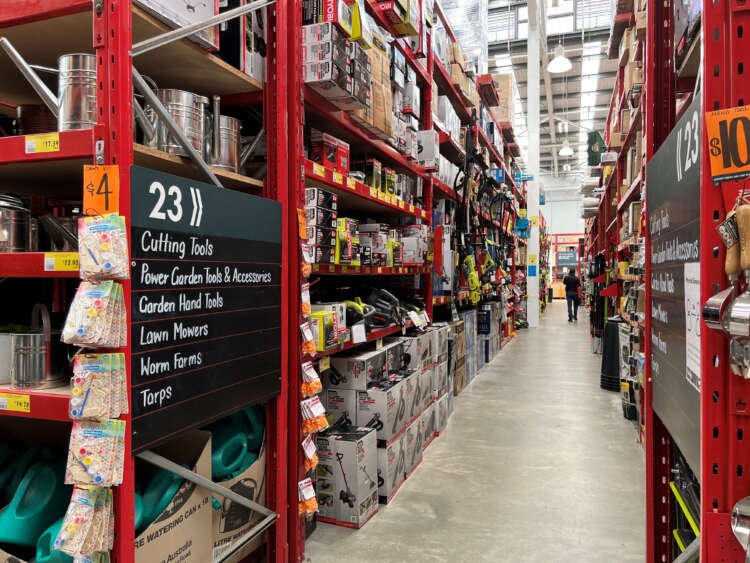
Published by Uma Rajagopal
Posted on February 20, 2023
3 min readLast updated: February 2, 2026
Add as preferred source on GoogleBy Harshita Swaminathan
(Reuters) – Australian supermarkets will reap bigger profits in fiscal 2023 half-year due to decades-high inflation and increased savings, but analysts warned of a rough second-half as households reel from mounting expenses due to higher cost of living.
Top supermarket chains Woolworths Group and Coles Group will likely see growth in their half-year profit, according to analyst estimates, helped by higher shelf prices and lower COVID-19 related costs.
Australian households face higher grocery and energy bills due to global inflationary pressures, while budgets are further squeezed by higher mortgage payments because of the central bank’s rate hikes aiming to quell inflation.
The hikes have added A$900 a month in repayments to the average A$500,000 mortgage, according to an estimate.
“There’s a bit of a disconnect between confidence and reality at the moment – the confidence levels are low, but people are still spending. So I think outlook statements will be cautious” said Matthew Haupt, a lead portfolio manager whose WAM Leaders fund has holdings in Woolworths and Coles.
Haupt said high household savings after the government handed out stimulus checks during the pandemic has kept Australians spending despite higher prices, but once rates peak and mortgage payments top out, retailer top-lines may shrink.
Woolworths said food prices over the September quarter rose 7.3%, while Coles reported a 7.1% rise. Australia reported headline inflation of 7.8% in the December quarter, a 33-year high.
A return to in-store shopping is also expected to improve margins, according to analysts at Macquarie, as in-store margins are usually better than online. Analysts at Citi also expect benefits from selling prices rising faster than cost bases.
As spending power reduces over the second-half, electronics retailers were seen feeling the pinch disproportionately, as later confirmed by JB Hi-Fi reporting slower sales growth and flagging an “uncertain period” ahead.
“We are concerned that the rising cost of living, fixed rate mortgage roll-offs and normalising service consumption erode consumer discretionary spending in the second half of calendar 2023,” analysts at Macquarie said.
Retail conglomerate Wesfarmers’ main earner, Bunnings, reported only a slight pickup in profit and Wesfarmers relied on a recovery in Kmart, which was under lockdown in the previous period, for profit growth.
Coles and Woolworths are expected to report half-yearly earnings on February 21 and 22, respectively.
Brokerage estimates:
1H23 estimates Woolworths Coles
Macquarie A$842 million A$568 million
Goldman Sachs A$893 million A$542 million
UBS A$871 million A$555.2 million
Jefferies A$881 million A$584 million
Average A$871.75 million A$562.3 million
1H22 reported A$676 million A$549 million
(Reporting by Harshita Swaminathan in Bengaluru; editing by Diane Craft)
Inflation is the rate at which the general level of prices for goods and services rises, eroding purchasing power. It is typically measured by the Consumer Price Index (CPI).
A mortgage is a loan specifically used to purchase real estate, where the property serves as collateral. Borrowers repay the loan over time, typically in monthly installments.
Consumer perception refers to how customers view a brand, product, or service based on their experiences, beliefs, and feelings, which can influence their purchasing decisions.
Household budgets are financial plans that outline expected income and expenses for a specific period, helping families manage their finances and save for future goals.
Retail trade involves the sale of goods and services directly to consumers. It encompasses various businesses, including supermarkets, clothing stores, and online retailers.
Explore more articles in the Top Stories category











