
Top Stories
Strikes Bring Public Transport to Near Standstill Across Germany
Published by Uma Rajagopal
Posted on March 1, 2024
2 min readLast updated: January 30, 2026
Add as preferred source on Google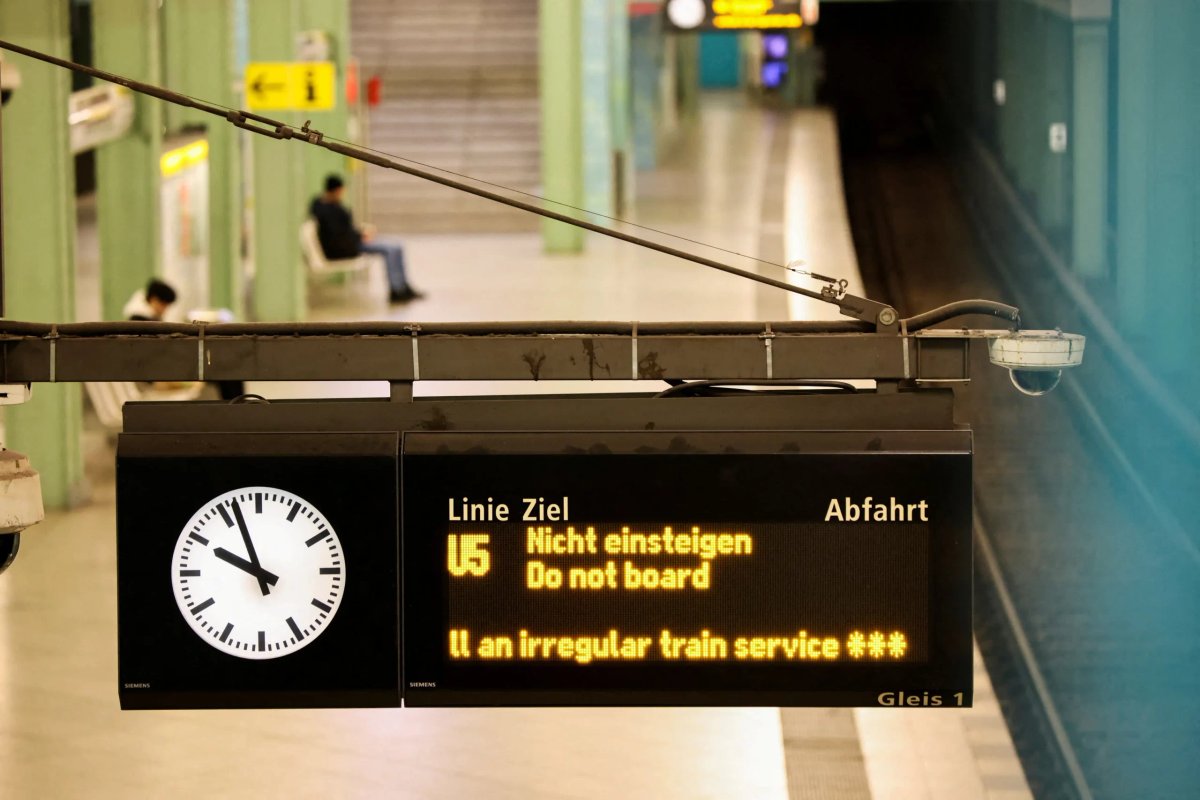
Published by Uma Rajagopal
Posted on March 1, 2024
2 min readLast updated: January 30, 2026
Add as preferred source on GoogleBERLIN (Reuters) – Buses, trams and underground trains stood idle across most of Germany on Friday at the culmination of a week of staggered public transport strikes triggered by disputes over working hours.
BERLIN (Reuters) – Buses, trams and underground trains stood idle across most of Germany on Friday at the culmination of a week of staggered public transport strikes triggered by disputes over working hours.
The walkouts, organised by the Verdi union, have hit 14 of the country’s 16 states, including Berlin. They were due to end in the capital at 2 p.m. (1300 GMT) but stretch into Saturday elsewhere.
Adding to the potential turmoil, the actions coincided on Friday with climate protests calling for greener transport in more than 100 cities, organised by Fridays for Future and other green campaign groups.
It was the second wave of near-nationwide public transport strikes in recent weeks called by Verdi, which represents about 90,000 employees from more than 130 municipal companies.
Verdi has said its current talks over public transport workers’ contracts have stalled as it pushes for reduced working hours and more leave.
Berlin’s public transport operator BVG has called the strike action “unnecessary and completely exaggerated”.
Faced with persistently high inflation, Europe’s largest economy has seen a number of strikes that have also impacted air travel and railways.
Commuters could soon face more industrial action on the railways after weeks-long talks between the GDL train drivers’ union and Deutsche Bahn collapsed on Thursday evening.
(Reporting by Miranda Murray and Bartosz Dabrowski, editing by Rachel More and Andrew Heavens)
A public transport strike occurs when workers in the transportation sector stop working to protest working conditions, pay, or other employment-related issues.
Climate change refers to significant changes in global temperatures and weather patterns over time, largely driven by human activities such as burning fossil fuels.
A union is an organized group of workers who come together to make decisions about the terms of their work, including wages and working conditions.
Inflation is the rate at which the general level of prices for goods and services rises, eroding purchasing power.
Working hours refer to the time period during which an employee is required to be at work, typically defined in employment contracts.
Explore more articles in the Top Stories category











