
Technology
Streamlining Invoice Management in the Banking Sector
Published by Wanda Rich
Posted on May 9, 2025
4 min readLast updated: February 26, 2026
Add as preferred source on Google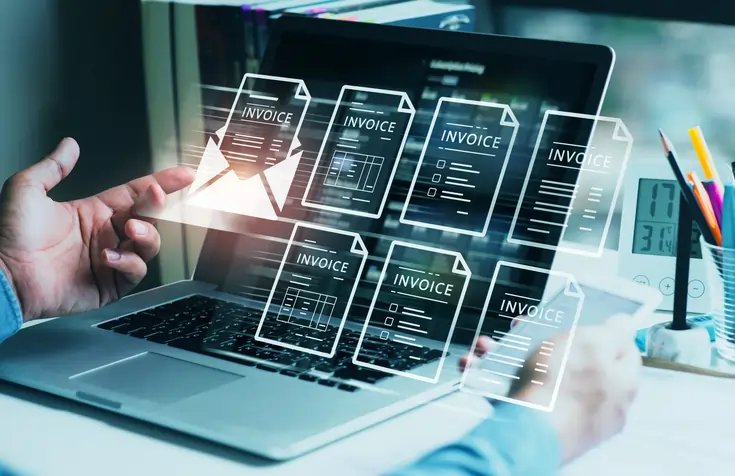
Published by Wanda Rich
Posted on May 9, 2025
4 min readLast updated: February 26, 2026
Add as preferred source on GoogleDigital transformation in the banking sector is not limited to customer-facing innovations. Many financial institutions are now focusing on internal processes, especially invoice handling, to improve operational efficiency and compliance.
Digital transformation in the banking sector is not limited to customer-facing innovations. Many financial institutions are now focusing on internal processes, especially invoice handling, to improve operational efficiency and compliance.
Invoice processing software is helping banks manage high volumes of vendor transactions with greater accuracy, speed, and oversight. These tools are playing a growing role in optimizing financial workflows across institutions of all sizes.
Banks receive and manage a large volume of invoices daily, spanning office services, technology vendors, facility providers, and legal consultants. Manual processes for handling these documents—often involving spreadsheets, email chains, and paper approvals—can introduce delays, errors, and compliance risks.
Automation replaces many of these steps with digital workflows. Key capabilities typically include:
This transition reduces reliance on manual input while enabling faster, more controlled invoice lifecycles.
By digitizing invoice management, banks are unlocking several operational advantages that improve speed, accuracy, and oversight. Here’s how automation is driving measurable benefits across financial institutions:
Automated systems accelerate the approval and payment process. Invoices that previously took days to process can now move through systems in hours, helping banks avoid late fees and maintain strong vendor relationships.
Manual data entry is prone to mistakes—incorrect amounts, duplicate entries, or missed deadlines. Automated tools apply validation rules and data-matching protocols to reduce these risks significantly.
Banks operate under strict regulatory requirements. Advanced software supports compliance by generating consistent records and audit trails, making it easier to demonstrate control over expenditures during internal or external reviews.
Visibility into invoice status—where it is, who has approved it, what’s pending—can be critical for both budgeting and operational decision-making. Reporting dashboards provide teams with real-time insights to manage performance and avoid process bottlenecks.
While automation involves upfront investment, it delivers savings over time. Reduced manual hours, fewer errors, and lower use of paper and postage all contribute to long-term efficiency gains.
For banks investing in invoice automation, the right solution should go beyond basic functionality. It needs to integrate seamlessly with existing infrastructure, support compliance, and be easy for teams to adopt.
The platform should integrate with existing ERP or accounting systems to ensure smooth data flow and avoid disruption during implementation.
Look for solutions with enterprise-grade encryption, role-based access controls, and detailed audit logs to safeguard sensitive financial data.
With hybrid and remote work becoming common, mobile access for invoice approvals ensures continuity and reduces delays, even when teams are off-site.
Configurable workflows allow banks to tailor approval paths and rules based on internal policies, ensuring the system supports—not constrains—operations.
An intuitive interface helps teams adapt quickly, minimizing training needs and promoting consistent use across departments.
While the benefits of invoice automation are clear, banks often have concerns about its impact on people, systems, and data security. Addressing these common questions can ease adoption and build confidence in the transition to digital workflows.
Automation reduces repetitive work but doesn’t replace staff—it enables teams to focus on analysis, planning, and value-added tasks.
Leading platforms offer enterprise-grade protection through encryption, multi-factor authentication, and audit logging.
Most invoice solutions are designed to connect with commonly used finance systems, ensuring smooth implementation without major disruption.
As the banking industry continues to evolve, operational efficiency and regulatory compliance remain critical. Automated invoice management offers a clear path to streamlining processes, reducing risk, and freeing up internal resources.
For institutions looking to modernize their finance operations, these tools represent a practical step toward smarter, more sustainable back-office performance.
Explore more articles in the Technology category









