
Top Stories
Shortage of Materials in German Manufacturing Eases Slightly – Ifo
Published by Wanda Rich
Posted on April 29, 2022
1 min readLast updated: February 7, 2026
Add as preferred source on Google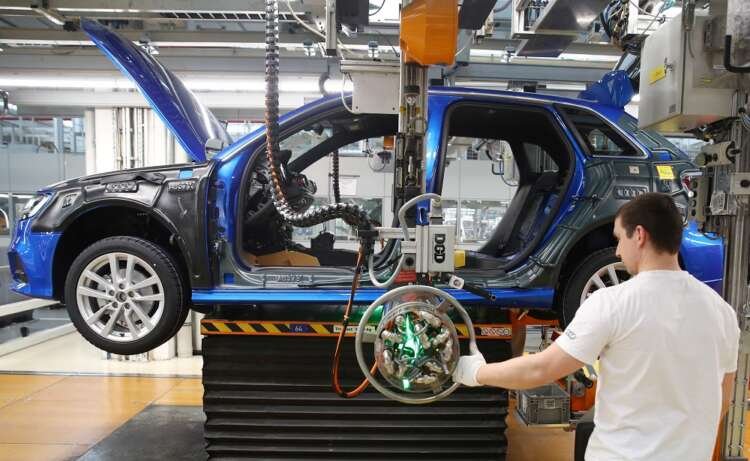
Published by Wanda Rich
Posted on April 29, 2022
1 min readLast updated: February 7, 2026
Add as preferred source on GoogleBERLIN (Reuters) – A shortage of materials in the German manufacturing industry has eased slightly, the Ifo economic institute said on Friday after it surveyed 2,000 companies in the sector.
BERLIN (Reuters) – A shortage of materials in the German manufacturing industry has eased slightly, the Ifo economic institute said on Friday after it surveyed 2,000 companies in the sector.
In April, 75.0% of companies complained about bottlenecks and problems procuring intermediate products and raw materials, down from 80.2% in March, Ifo said.
“It would be wrong to describe the situation as completely relaxed,” said Klaus Wohlrabe, head of surveys at Ifo. “In addition to the war in Ukraine, China is a growing cause for concern.”
Computer manufacturers have been hit hardest by materials shortages, Ifo said, with 91.9% reporting problems.
“Right now, there are no signs that there will be substantial relief in the coming months,” Wohlrabe added.
(Writing by Paul Carrel, Editing by Rachel More)
A material shortage occurs when the demand for raw materials exceeds the supply available, leading to delays in production and increased costs for manufacturers.
Intermediate products are goods used in the production of final products. They are not sold directly to consumers but are essential for manufacturing processes.
Economic growth refers to the increase in the production of goods and services in an economy over a period of time, typically measured by the rise in Gross Domestic Product (GDP).
A bottleneck in manufacturing is a stage in the production process that reduces the overall speed or capacity of the system, often leading to delays and inefficiencies.
Explore more articles in the Top Stories category











