
Top Stories
Russia-Related Energy Market Shock Could Tip World Into Recession, Vitol CEO Says
Published by Wanda Rich
Posted on March 22, 2022
2 min readLast updated: February 8, 2026
Add as preferred source on Google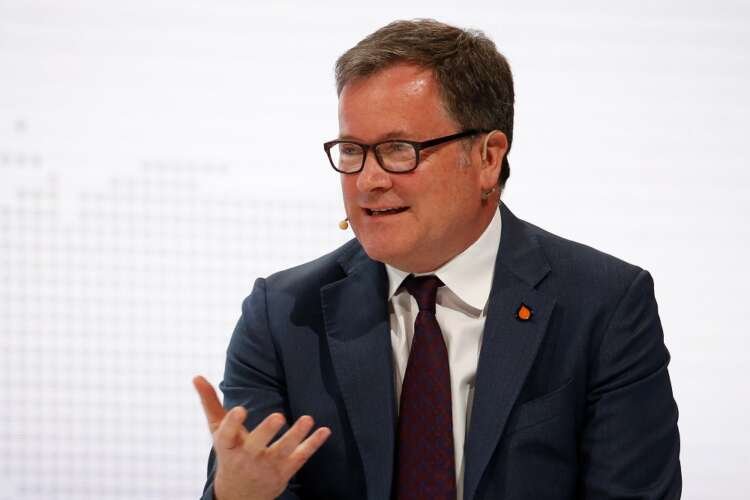
Published by Wanda Rich
Posted on March 22, 2022
2 min readLast updated: February 8, 2026
Add as preferred source on GoogleBy Julia Payne
LONDON (Reuters) -The energy market shock following Russia’s invasion of Ukraine could tip the world into an economic recession, especially if the war drags on, Vitol’s chief executive said on Tuesday.
Even before Russia launched its invasion on Feb. 24, energy markets had little spare capacity, and will struggle to absorb the potential loss of around 2 million barrels per day (bpd) of oil from Russia that competes with Saudi Arabia as the world’s top oil exporter.
“The longer the war goes on, the greater the chance of an economic recession,” Vitol CEO Russell Hardy told the FT Commodities Global Summit.
He said customers had told Vitol they did not want Russian crude and the trading firm has stopped spot purchases of Russian oil, although it has maintained existing longer term contracts.
“Many people across Europe wish to boycott Russian flows… How that transpires into how much oil is lost, is still relatively unknown,” Hardy said.
“We think 2-3 million bpd of Russian oil could be lost but a lot depends on Asia’s reaction.”
Any replacement oil is likely to be months away. Iran could increase exports by 1 million bpd provided a nuclear deal is signed, but the Organization of Petroleum Exporting Countries (OPEC) and its allies were unlikely to increase output faster, Hardy said.
“They’ve been fairly clear up till now that they will continue with their OPEC+ agreement,” Hardy said, adding African countries in particular had less oil to spare than before the pandemic.
“Are we expecting a 1-2 mln bpd increase? Yes but not likely in next couple of months,” he said.
The futures markets, for natural gas in particular, have become more prone to volatility as strained credit lines force market participants to cut positions.
“Gas markets are even more concerning than oil. It’s important for regulators to have the tools in their back pocket in case there is disorder in the gas market,” Hardy said, pointing to extreme jumps in benchmark European wholesale gas futures.
He said diesel supplies were also of particular concern as half Europe’s imports come from Russia, with rationing a possibility.
(Reporting by Julia Payne, Editing by Louise Heavens and Barbara Lewis)
A recession is a significant decline in economic activity across the economy that lasts for an extended period, typically visible in GDP, income, employment, manufacturing, and retail sales.
Crude oil is a naturally occurring, unrefined petroleum product composed of hydrocarbon deposits and other organic materials, used primarily for fuel and energy production.
Spot purchasing refers to buying commodities, such as oil, for immediate delivery and payment, as opposed to future contracts that specify delivery at a later date.
Volatility refers to the degree of variation in trading prices over time, indicating the level of risk or uncertainty in the market. High volatility often signals greater risk.
Explore more articles in the Top Stories category











