
Top Stories
Rhine Water Falls Again in Germany, River Shipping Costs Rise
Published by Wanda Rich
Posted on August 10, 2022
2 min readLast updated: February 4, 2026
Add as preferred source on Google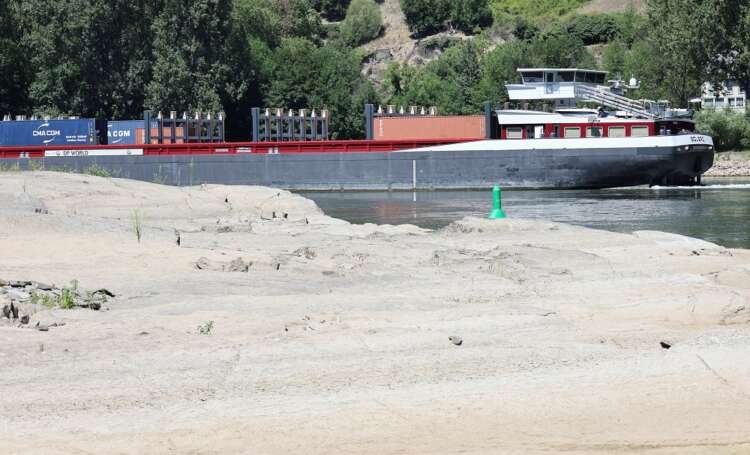
Published by Wanda Rich
Posted on August 10, 2022
2 min readLast updated: February 4, 2026
Add as preferred source on GoogleHAMBURG (Reuters) – Water levels on the river Rhine in Germany have fallen again in hot and dry weather and shipping costs are rising as vessels cut loads to continue sailing, commodity traders said on Wednesday.
HAMBURG (Reuters) – Water levels on the river Rhine in Germany have fallen again in hot and dry weather and shipping costs are rising as vessels cut loads to continue sailing, commodity traders said on Wednesday.
Shallow water after the summer heat-wave has hampered shipping on the entire river in Germany since July, along with other European waterways.
The reference waterline level at the chokepoint of Kaub south of Koblenz was at 48 centimetres on Wednesday, said Refinitiv Eikon data, down about 4 centimetres on the day. Vessels need about 1.5 metres of reference waterline to sail fully loaded.
Freight shipping on the river continues, but with vessels sometimes forced to sail three-quarters empty. But the number of vessels still capable of sailing in the shallow water, especially around Kaub, is declining so increasing transport costs for cargo owners, traders said.
Spot prices for transport in a liquid tanker barge from Rotterdam to Karlsruhe south of Kaub rose to about 110 euros a tonne on Wednesday, up 16 euros on Tuesday and up from only around 20 euros a tonne in June before water levels fell, traders said.
Hot and dry weather is forecast this week and no relief is in sight.
Low Rhine water will affect output over the coming month from two major German coal-fired power stations and could cause logistics problems for coal importers.
Chemicals group BASF said on Friday it could not rule out production cuts if low water disrupts logistics.
Navigation authorities do not close the river at times of low water, leaving it to vessel operators to decide when to stop. The Rhine is an important shipping route for commodities including grains, chemicals, minerals, coal and oil products including heating oil.
German companies faced supply bottlenecks and production problems in 2018 from low Rhine water levels.
(Reporting by Michael Hogan, editing by Louise Heavens)
Freight shipping refers to the transportation of goods in bulk, typically by truck, train, ship, or airplane. It is crucial for moving commodities and products across regions.
Shipping costs are the expenses incurred to transport goods from one location to another. These costs can vary based on distance, weight, and mode of transport.
A waterline level is the height of the water surface in a body of water, which is critical for determining navigability for vessels.
A commodity trader is a professional who buys and sells raw materials or primary products, such as oil, gold, or agricultural goods, in various markets.
The Rhine River is a vital waterway in Europe, serving as a major transport route for goods and commodities, impacting trade and economic activities in the region.
Explore more articles in the Top Stories category











