
Top Stories
Resumption of Deliveries to Europe Boosts Venezuela Oil Exports -Data
Published by Wanda Rich
Posted on July 6, 2022
2 min readLast updated: February 5, 2026
Add as preferred source on Google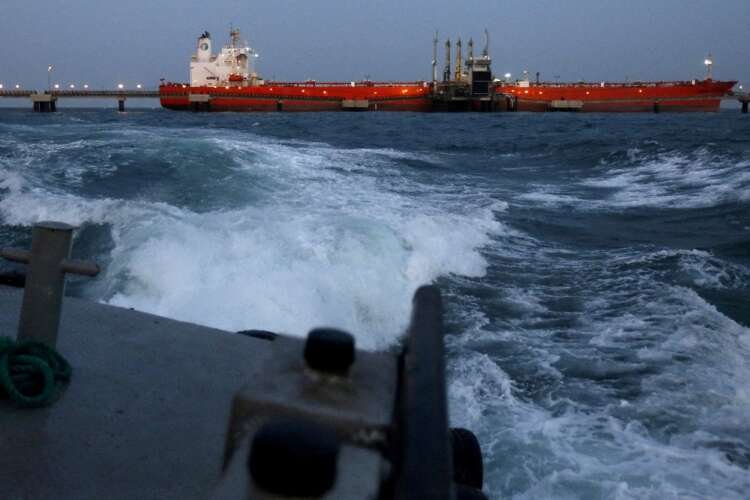
Published by Wanda Rich
Posted on July 6, 2022
2 min readLast updated: February 5, 2026
Add as preferred source on GoogleBy Marianna Parraga and Mircely Guanipa
(Reuters) -The first Venezuelan crude cargoes sent to Europe in two years helped lift the OPEC nation’s oil exports by 61% last month after a series of setbacks earlier in the year, tanker tracking data and documents from state-run PDVSA showed.
Italy’s Eni and Spain Repsol started taking Venezuelan crude after receiving a green light from the U.S. State Department. The U.S. decision, a move to help Europe compensate for the loss of Russian oil following its invasion of Ukraine, also marks a step toward better relations between Caracas and Washington.
The oil-for-debt exchanges, viewed by analysts as a sign of the easing of Washington’s sanctions on the South American nation, happened as U.S. officials visited Caracas to discuss the release of jailed Americans. That visit failed to secure their release.
In June, PDVSA and its joint ventures shipped an average of 630,500 barrels per day (bpd) of crude and fuel, a 61%-increase from the previous month and similar to the same month last year, according to the documents and Refinitiv data.
Venezuela’s May exports had plummeted due to changes imposed by PDVSA requiring prepayments for cargoes. The changes came after some buyers reneged on payments.
Almost two-thirds of total exports last month went to Asia. Cuba, which is struggling to meet domestic demand due to unaffordable fuel prices, received some 66,400 bpd of crude, fuel oil, gasoil and gasoline from its ally, the data showed.
Still, PDVSA continued struggling to manage heavy and diluted crude inventories, which were near full capacity and forced six unplanned disruptions at one of its blending stations last month, according to one of the documents viewed by Reuters.
OPEC Secretary General Mohammad Barkindo said on Tuesday that allowing extra supplies from Iran and Venezuela to flow to markets could ease a global supply shortage.
A similar call was made by the French government last week, which said the international community should explore all options to alleviate a Russian squeeze of energy supplies.
(Reporting by Marianna Parraga in Houston and Mircely Guanipa in Maracay, Venezuela; Editing by Bill Berkrot)
OPEC, or the Organization of the Petroleum Exporting Countries, is a group of oil-producing nations that coordinates and unifies petroleum policies to ensure stable oil markets and fair prices for consumers and producers.
Oil exports refer to the sale of crude oil and its products to other countries. These exports are crucial for countries that produce oil, as they generate significant revenue for their economies.
Crude oil is a natural, unrefined petroleum product composed of hydrocarbon deposits and other organic materials. It is extracted from the ground and refined into various fuels and products.
A cargo refers to the goods or products transported by a ship, aircraft, or other vehicle. In the context of oil, it typically means the shipment of crude oil or refined products.
Explore more articles in the Top Stories category











